
Custom Printed PA Nylon Vacuum Bags for Frozen Meat
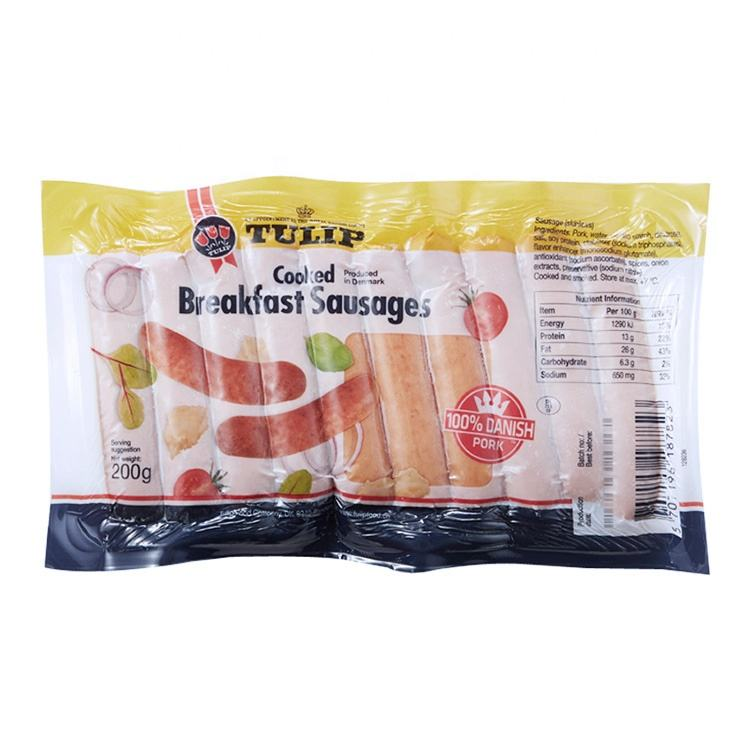
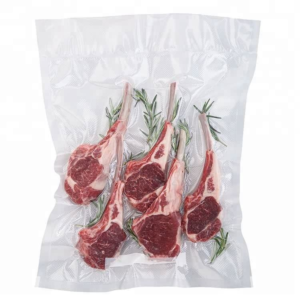
Custom printed PA nylon vacuum bags are flexible packages intended for vacuum-packing frozen meat while presenting branded graphics, handling information, and product identification. They are relevant to meat processors, frozen-food brands, contract packers, distributors, wholesalers, and OEM or private-label buyers. PA nylon provides useful toughness and puncture resistance, but the complete laminate, sealant layer, bag dimensions, and sealing conditions must be matched to the meat cut and packing equipment.
Product Specifications
| Product type | Custom printed vacuum bags |
|---|---|
| Confirmed material | PA nylon; any additional laminate or sealant layers require confirmation |
| Intended contents | Frozen meat |
| Primary function | Vacuum packaging, subject to the selected structure and sealing process |
| Printing | Custom printed; artwork method, color count, coverage, and print tolerances require confirmation |
| Bag construction | Final pouch style, opening position, seal geometry, and edge configuration require confirmation |
| Dimensions | Specified by the buyer after evaluating the actual meat cut, headspace, and equipment |
| Closure | Vacuum evacuation and heat-seal compatibility must be confirmed for the packing line |
| Finish and appearance | Subject to artwork, substrate, and final manufacturing specification |
How the PA Nylon Structure Supports Frozen-Meat Packaging
PA nylon is commonly selected for demanding flexible packaging because it can contribute toughness, flex-crack resistance, and resistance to puncture from irregular products. Those characteristics are particularly relevant when a chilled meat cut is handled, vacuum compressed, frozen, packed into cases, and moved through distribution. However, the term PA nylon does not identify the complete construction or establish a specific oxygen or moisture transmission rate.
PA nylon vacuum packaging bags may be configured with additional sealant or barrier layers, depending on the required storage conditions and packing process. A compatible inner sealant layer can support heat sealing and contact with the product, while the overall laminate determines oxygen, moisture, aroma, and grease resistance. Barrier performance depends on the complete structure, thickness, seals, storage temperature, and handling—not on the appearance of the printed film alone.
Sizing the Bag Around the Actual Meat Cut
Meat weight does not establish one universal bag size. Two cuts with the same weight can differ substantially in length, width, thickness, bone profile, and usable volume. Buyers should measure the largest intended product after accounting for folds, irregular edges, loading clearance, evacuation behavior, and the clean seal area required by the vacuum machine.
Excessive headspace uses more material and can make evacuation and presentation less consistent. Too little space can obstruct loading, contaminate the seal zone, or place excessive stress on the corners and seams. For multi-product programs, buyers should decide whether one bag will cover several cuts or whether separate dimensions will improve fit and reduce unused film.
Vacuum Sealing, Puncture Risk, and Filling Behavior
These frozen meat vacuum seal bags must be evaluated with the intended chamber or vacuum-sealing equipment. The open-mouth dimensions, film thickness, sealant layer, seal width, dwell time, temperature, and vacuum cycle all influence the finished pack. A production trial using the actual meat and machinery is more informative than evaluating an empty sample.
Boneless portions and bone-in cuts can impose different mechanical demands. Exposed or sharp bones may require a more puncture-resistant configuration, careful product orientation, protective materials, or another validated packing method. A stronger or thicker structure can improve abuse resistance, but it may also be stiffer, affect evacuation around complex shapes, and require adjusted sealing conditions. This is a key product-specific trade-off to review before approving the specification.
Custom Printing and Multi-SKU Artwork
Custom printed meat packaging bags can carry logos, meat-cut names, preparation or handling instructions, lot-identification areas, barcodes, storage statements, and destination-market labeling. The available artwork area depends on bag dimensions, seam locations, registration tolerances, and the unprinted seal zone. Print method, ink system, number of colors, finish, and compatibility with the film structure should be confirmed during artwork review.
For OEM private label vacuum bag packaging, a controlled dieline and shared brand system can help maintain consistency across multiple meat cuts or customer labels. Variable items should be clearly separated from fixed artwork. Buyers should identify every artwork version in the RFQ because each design may affect prepress, print planning, and production organization. Printing should not interfere with seal inspection, traceability coding, or legally required information.
Food-Contact and Destination-Market Checks
A bag intended for direct contact with frozen meat requires specification review for the destination market. PA nylon alone does not establish that the finished package meets a particular food-contact rule. Buyers should request applicable documentation for the complete laminate, sealant, inks, adhesives, and manufacturing specification, including any information needed for the intended temperature and contact conditions.
Label requirements can vary by product, customer, and jurisdiction. Confirm responsibility for ingredient or product identity statements, net quantity, storage instructions, traceability fields, barcodes, country-of-origin statements, and other mandatory information. Do not treat an artwork proof as evidence of regulatory compliance; it verifies visual content and placement rather than legal suitability.
What to Compare When Selecting a Supplier
- Complete structure: Confirm every film and sealant layer rather than relying only on the PA nylon description.
- Product fit: Compare dimensions against the largest actual meat cut and the required seal area.
- Mechanical demands: Identify sharp bones, frozen edges, case-packing pressure, and handling conditions.
- Machine compatibility: Confirm bag opening, maximum dimensions, vacuum cycle, and heat-seal requirements.
- Artwork control: Provide the number of designs, color expectations, coding zones, and approved dielines.
- Required evidence: List destination-market, food-contact, migration, or customer documentation that must be reviewed before ordering.
Frequently Asked Questions
Does PA nylon alone define the bag’s barrier performance?
No. PA nylon identifies a material component, but oxygen, moisture, aroma, puncture, and seal performance depend on the complete laminate, thickness, sealant, and finished seals. Request the proposed structure and relevant test information for the final specification.
How should a vacuum bag be sized for frozen meat?
Measure the actual cut’s maximum length, width, and thickness, then account for loading clearance, evacuation, irregular edges, and a clean heat-seal area. Fill weight alone is not enough to select reliable bag dimensions.
Can the printed bag run on any vacuum machine?
Not automatically. The bag opening, overall dimensions, film structure, sealant, thickness, and sealing conditions must match the chamber or vacuum equipment. A trial with the actual product and production settings should be completed before final approval.
Can these bags be evaluated for bone-in meat?
Yes, but bone profile and puncture risk must be disclosed during specification. Sharp areas may require a tougher structure, protective material, different product orientation, or another validated packing method.
What should be confirmed for food-contact use?
Confirm the complete laminate, sealant, inks, adhesives, intended contact conditions, storage temperature, and destination market. Request the documents needed by the buyer or jurisdiction rather than assuming compliance from the material name.
Request a Product-Specific B2B Quotation
To request pricing from a wholesale nylon vacuum bag supplier, provide the meat type, whether cuts are boneless or bone-in, actual product dimensions, fill weight, desired bag dimensions, order quantity, artwork count, print files, preferred finish, required laminate or barrier criteria, vacuum-machine details, filling method, storage conditions, destination market, and required food-contact or customer documentation. These inputs allow the bag structure, seal configuration, artwork area, and sampling requirements to be reviewed without relying on unsupported assumptions.
Reviews
There are no reviews yet.