
Brick-Shape Vacuum Bags for Rice and Coffee
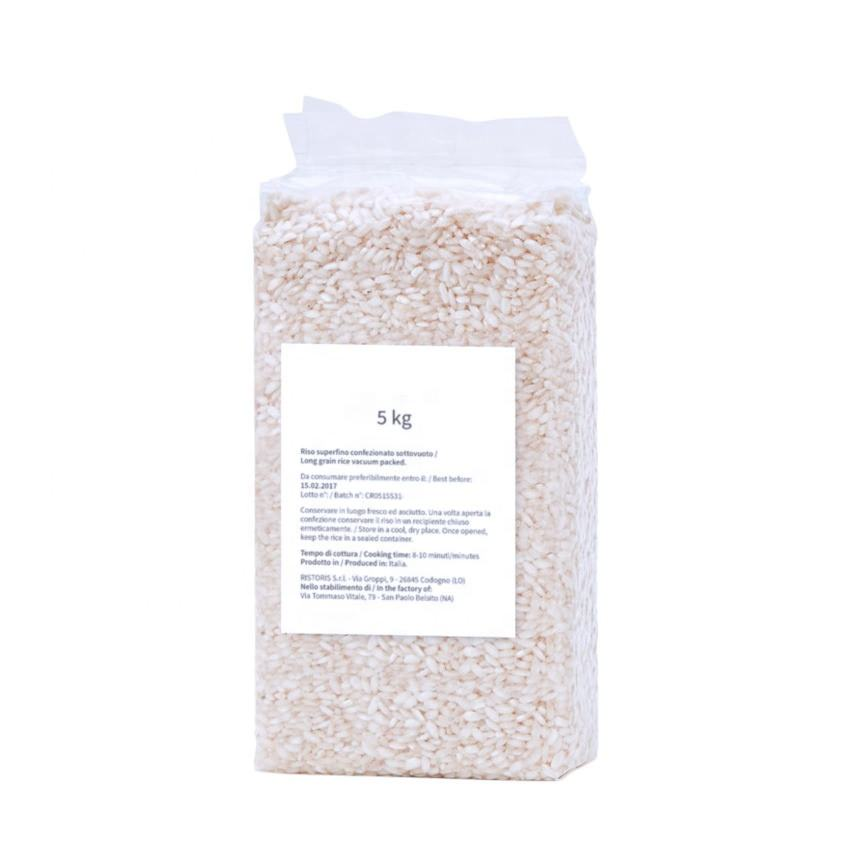
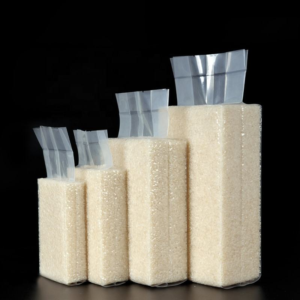
Brick-shape vacuum bags for rice and coffee are flexible packaging bags intended to form a compact, rectangular pack after filling, air removal, forming, and sealing. They are relevant to rice processors, coffee roasters, food brands, contract packers, distributors, importers, and private-label buyers seeking space-efficient packaging with configurable barrier and printed-branding options. The final brick appearance depends on more than the empty bag: product density, fill weight, bag dimensions, pouch construction, vacuum level, and forming process must work together.
Product Specifications
| Specification | Product Detail |
|---|---|
| Packaging type | Brick-shape vacuum bag |
| Intended contents | Rice and coffee |
| Material structure | Flexible laminate structure to be confirmed for the required barrier, sealing process, and destination market |
| Pouch construction | Final gusset, panel, and seal geometry require confirmation against the filling and forming method |
| Closure | Vacuum and heat-seal configuration to be specified; a resealable zipper is not confirmed |
| Dimensions and capacity | Subject to actual product density, target fill weight, headspace, and equipment requirements |
| Printing and finish | Custom printing and finish may be configured subject to artwork, substrate, and production specifications |
| Commercial details | Quantity, artwork versions, packing format, and other RFQ terms require buyer confirmation |
How the Brick Format Is Created
A brick vacuum package is produced through the interaction of the bag, its contents, and the packing equipment. Rice grain size, coffee bean or ground-coffee density, evacuation settings, product settling, and seal placement can all affect the finished edges and rectangular profile. A bag described as brick-shaped does not establish one universal gusset arrangement or machine format. Buyers should identify whether the pack will be manually formed, chamber-vacuum packed, or processed on another specified system.
This format can create a compact presentation for case packing and shelf display, but a sharper brick profile may require tighter control of fill distribution and headspace. Excess headspace can make the pack less uniform, while insufficient allowance around the product can complicate evacuation, forming, and reliable sealing.
Laminate and Barrier Selection
Multilayer laminate vacuum pouches can be configured with different layers depending on the required stiffness, puncture resistance, oxygen and moisture control, light protection, print appearance, and heat-seal performance. Potential structures may use transparent, metallized, foil-based, or other flexible packaging layers, but no specific composition should be assumed until the specification is approved.
Barrier performance comes from the complete laminate and sealed package rather than appearance alone. A metallic look does not automatically establish a particular barrier level. For coffee, oxygen, moisture, aroma retention, light exposure, and the product’s gas-release behavior may influence the structure. Freshly roasted coffee can release carbon dioxide, so the buyer should confirm whether vacuum packing is appropriate for the product state and whether any degassing feature is required. For rice, moisture control, grain-edge puncture resistance, and keeping particles out of the seal area can be important.
Sizing by Product Density and Filling Method
Vacuum bags for coffee and rice should be sized from physical filling trials or reliable product measurements, not fill weight alone. Equal weights of whole-bean coffee, ground coffee, and different rice varieties can occupy different volumes. Procurement teams should provide the target weight, bulk density when known, product form, desired finished dimensions, and required headspace.
The seal width, bottom or side geometry, evacuation area, and clearance for filling equipment reduce usable internal volume. If a specific retail brick dimension or master-case count is required, include it in the RFQ so the bag dimensions and forming process can be evaluated together.
Vacuum Sealing and Pack Integrity
The sealant layer must be compatible with the selected sealing temperature, dwell time, pressure, and equipment. Product dust, coffee grounds, or rice grains in the seal zone can interfere with seal formation, making filling control and seal-area cleaning important. Seal validation should be conducted with the actual contents and production settings.
A zipper should not be assumed for this product. Conventional vacuum brick packs commonly depend on a final heat seal, while any easy-open, resealable, or valve feature would require a separately confirmed construction. Adding convenience components can affect evacuation behavior, barrier continuity, usable artwork space, and unit cost.
Custom Printing and Multi-SKU Programs
Custom printed brick vacuum bags may be developed with brand graphics, product names, preparation instructions, lot-code areas, and market-required information. Printable coverage depends on the die line, seal zones, folds, gussets, registration tolerances, and selected substrate. Important text and barcodes should remain away from folds or heavily distorted forming areas.
For an OEM private-label vacuum pouch program covering several rice varieties, coffee origins, roasts, or grind types, buyers should define which design elements remain common and which change by SKU. A controlled master die line, consistent color references, and a clear artwork-version list can reduce errors while preserving product differentiation.
Procurement and Destination-Market Checks
A wholesale brick vacuum bag supplier needs the intended market and packing conditions before recommending a final specification. Buyers remain responsible for confirming applicable food-contact, labeling, traceability, recycling, and other destination-market requirements. Do not treat the bag’s shape, visual finish, or vacuum terminology as evidence of certification or compliance.
Request samples or production trials where appropriate to assess filling speed, evacuation, seal appearance, finished brick dimensions, pack handling, and printed-artwork placement with the actual product and equipment.
Frequently Asked Questions
Does one fill weight use the same bag size for both rice and coffee?
No. Bag size depends on product density, product form, headspace, forming method, and desired finished dimensions. The same weight of rice, whole-bean coffee, and ground coffee can require different usable volumes.
Is the laminate structure confirmed?
No specific laminate is stated. The structure should be selected according to required oxygen, moisture, aroma, light, puncture, stiffness, and sealing performance, then confirmed in the final specification.
Will the empty bag automatically produce a perfect brick shape?
No. The finished profile also depends on fill distribution, vacuum settings, bag geometry, headspace, product density, forming steps, and sealing equipment.
Do these vacuum bags include a zipper or coffee valve?
A zipper and coffee valve are not confirmed. Either feature would need to be requested and evaluated for compatibility with the product, vacuum process, laminate, and sealing system.
What information is needed for custom printing?
Provide the approved die line or requested bag dimensions, artwork files, number of SKUs, color expectations, finish preference, variable-code areas, required label content, and destination market.
Request a Product-Specific B2B Quotation
For an RFQ, provide the contents—rice, whole-bean coffee, ground coffee, or another specified product—plus target fill weight, product density or sample, desired finished brick dimensions, bag dimensions if known, order quantity, and artwork-version count. Also state the preferred barrier or material requirements, finish, printing needs, filling and vacuum equipment, sealing method, valve or opening requirements, destination market, and applicable food-contact or labeling needs. These inputs allow the pouch structure, sizing, print layout, and trial requirements to be evaluated without relying on unsupported assumptions.
Reviews
There are no reviews yet.