
Clear PA PE Vacuum Packaging Bags for B2B Applications
Clear PA PE vacuum packaging bags are transparent flexible bags made from polyamide and polyethylene for vacuum-sealing compatible products. Cannabis brands, processors, distributors, wholesalers, private-label buyers, and multi-SKU purchasers can evaluate them for bulk flower or other suitable dry contents when visibility and vacuum sealing are priorities. Final suitability depends on the product, laminate specification, bag dimensions, sealing equipment, storage conditions, and destination-market requirements.
The clear construction lets operators and buyers inspect the contents without opening the package. It also exposes light-sensitive contents to more light than an opaque or metallized structure, so visibility must be balanced against the required light protection and shelf-life objective.
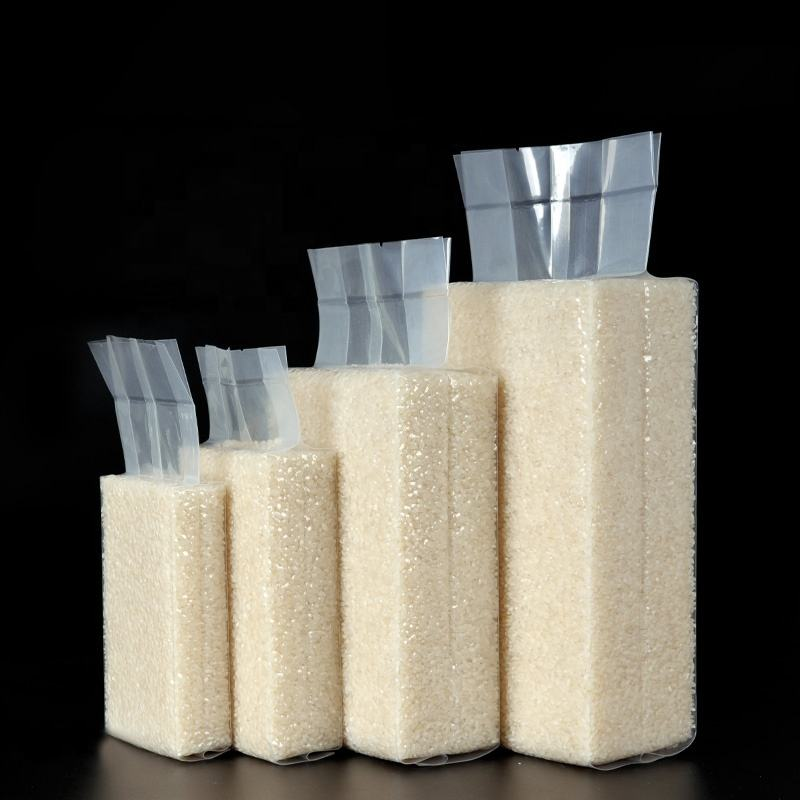
Product Specifications
| Specification | Product Information |
|---|---|
| Product type | Vacuum packaging bags |
| Material | PA-PE, meaning polyamide and polyethylene; exact layer sequence and thickness require confirmation |
| Appearance | Clear |
| Primary function | Vacuum packaging of compatible contents when used with suitable sealing equipment |
| Bag dimensions | To be specified according to the contents, fill quantity, headspace, and equipment |
| Closure | Vacuum heat-seal configuration to be confirmed; no zipper or child-resistant feature is established by the product input |
| Printing | Custom printing may be configured subject to artwork, process, quantity, and substrate limitations |
| Barrier performance | Depends on the complete laminate, thickness, seal integrity, storage conditions, and handling |
| Intended market | B2B packaging procurement; cannabis use must be evaluated against the packed product and applicable rules |
How the PA-PE Structure Supports Vacuum Packaging
PA PE vacuum seal bags combine two material families with different functions. Polyamide is commonly selected to contribute toughness, puncture resistance, and oxygen-barrier performance. Polyethylene commonly provides the internal heat-seal layer and contributes moisture resistance and flexibility. Actual results cannot be inferred from the material names alone because layer thickness, grade, orientation, manufacturing quality, and seal settings all affect performance.
For aromatic cannabis contents, the complete laminate and intact seals may help contain aroma when properly sealed. That should be treated as a smell-resistant packaging objective rather than a permanent smell-proof guarantee. Buyers requiring specific oxygen transmission, moisture transmission, puncture, drop, seal-strength, or odor-control performance should state the target and request supporting test information for the proposed specification.
Sizing, Vacuum Level, and Filling Behavior
A fill weight does not establish one universal bag size. Cannabis flower density varies by cultivar, trim, cure, moisture condition, and handling method. Buyers should evaluate the actual occupied volume, not only the stated grams or kilograms. The bag also needs enough open area for loading, vacuum extraction, and a clean sealing zone.
Excessive headspace can reduce packing efficiency, while insufficient headspace can draw particles or product fragments into the seal. Contamination in the sealing area may weaken seal consistency. If the bags will run on chamber or external vacuum equipment, provide the machine type, seal-bar width, usable chamber dimensions, and preferred bag opening orientation before production.
Vacuum level creates an important cannabis-specific trade-off. Removing air can reduce package volume and limit internal movement, but strong compression may flatten flower, disturb trichomes, or reduce visual presentation. Buyers should validate the vacuum setting and bag fit with their actual product. A less aggressive vacuum or another packaging format may be preferable where flower structure and premium presentation take priority over compactness.
Clear Visibility Versus Light Protection
Clear cannabis vacuum bags make the contents visible for filling checks, inventory identification, and inspection. They can be useful when buyers want to see product color, particle size, or package condition without breaking the seal. However, clear PA-PE does not provide the same light-blocking effect as an opaque or foil-bearing laminate.
Light-sensitive contents may therefore require secondary cartons, controlled storage, or a different laminate. An opaque appearance, metallic look, or printed ink layer also does not automatically prove a particular barrier level; protection depends on the complete structure. Confirm whether transparency or light protection is the more important purchasing requirement.
Printing and Multi-SKU Cannabis Programs
Custom printed vacuum packaging bags may be configured for brand graphics, strain identification, product information, warnings, lot fields, and other required copy. Available artwork area depends on bag dimensions, seal margins, opening position, print process, and registration tolerances. Dense white ink, fine text, barcodes, and color matching should be reviewed against the clear substrate and selected printing method.
Private label multi-SKU vacuum pouches require disciplined artwork control. Provide a separate approved file or clearly structured variable-data plan for every strain, fill weight, market, or language version. Keep common brand elements, warning zones, color references, and dieline placement consistent across the range. Buyers should also confirm whether SKU differentiation will be printed directly, applied by label, or added through a coding process after filling.
Closure and Compliance Questions to Resolve
These bags should not be assumed to include a resealable zipper or child-resistant closure. A conventional vacuum heat seal is a tamper-relevant package seal, but it is not automatically a tested child-resistant packaging system. If the finished cannabis package must satisfy child-resistance, tamper-evidence, food-contact, warning, symbol, labeling, or opacity rules, identify the destination market and applicable product category in the RFQ.
Compliance depends on the finished package, contents, closure, labels, production controls, and jurisdiction. Request documentation applicable to the exact material specification rather than relying on general statements about PA or PE.
Frequently Asked Questions
Are clear PA-PE vacuum bags completely smell proof?
No absolute odor guarantee should be inferred. The selected laminate and properly formed seals can help contain aroma, but results depend on thickness, seal integrity, storage, handling, and the packed product.
What size vacuum bag is needed for cannabis flower?
The correct size depends on actual flower density, fill weight, desired compression, headspace, sealing area, and equipment. Test representative flower in sample dimensions instead of choosing a bag from weight alone.
Do these bags include a zipper or child-resistant closure?
No zipper or child-resistant closure is confirmed. Vacuum bags are normally specified around a heat-sealed opening, and any resealable or tested child-resistant feature must be requested and evaluated separately.
Can the clear bags be custom printed for multiple strains?
Custom printing may be available subject to the selected specification. Provide artwork counts, strain versions, colors, variable fields, dieline requirements, and destination-market copy for production review.
Are PA-PE bags suitable for every vacuum machine?
Compatibility is not universal. Confirm whether the equipment is a chamber or external vacuum system and provide its sealing method, seal width, chamber limits, and any material requirements.
Request a Product-Specific B2B Quotation
For an RFQ from a wholesale vacuum bag manufacturer, provide the contents, fill weight and actual occupied dimensions, desired bag width and length, order quantity, number of artwork versions, and required transparency. Also identify the target laminate or barrier objective, material thickness if established, printing and finish requirements, vacuum machine type, filling method, destination market, and applicable compliance needs. These inputs allow the proposed clear PA-PE bag, seal geometry, artwork layout, and sampling plan to be reviewed against the intended use without relying on unsupported assumptions.
Reviews
There are no reviews yet.