Paper-Based Compostable Structures
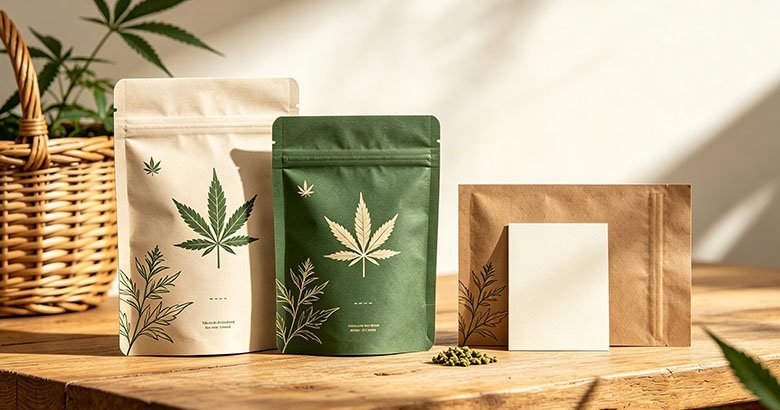
Paper-facing packaging combined with compatible compostable barrier and sealing layers.
Compostable packaging materials
Explore compostable flexible packaging materials for products and markets where compostable packaging is a suitable option.
We compare paper, cellulose and biopolymer-based structures together with barrier, sealing, shelf-life and the intended home or industrial composting conditions.
Material options
Choose the material around product protection and whether you need home- or industrial-compostable packaging.
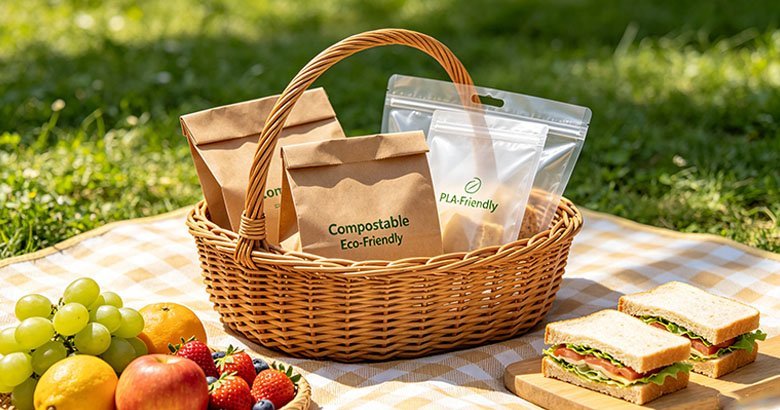
Compostable packaging material examplePaper-facing packaging combined with compatible compostable barrier and sealing layers.
Clear cellulose or biopolymer films for products that need visibility.
Specialty structures for products that need more moisture, oxygen or aroma protection.
Closures, labels, inks and adhesives should be reviewed with the complete package claim.
Applications
Compostable packaging is most practical when the material can meet the real storage and sealing needs of the product.
Compare Barrier OptionsPotential fit for nuts, granola, snacks and other dry products where the selected barrier is suitable.
Possible with appropriate aroma and moisture-barrier structures.
Needs suitable moisture protection, sealing and shelf life for the product.
Can be useful where collection and composting conditions are clearly managed.
Composting option
The material and the claim should match the composting environment available to the end user.
Compostable pouch exampleAmbient, less controlled conditions
Requires evidence that the complete package can break down appropriately under home-composting conditions.
Commercial compostable packaging exampleControlled commercial conditions
Designed for controlled commercial composting conditions and should be qualified where suitable facilities are limited.
Product protection first
A compostable material still has to protect the product and close reliably through the full shelf life.
Important for dry foods, powders and hygroscopic products.
Important for coffee, tea, spices and oxidation-sensitive products.
The sealant must match the pouch format and filling process.
Humidity and temperature can affect some compostable materials differently from conventional laminates.
Final barrier and sealing performance depends on the complete material structure and product requirements.
Pouch formats
Compostable material structures can be developed into several pouch styles where the barrier and sealing requirements are suitable.
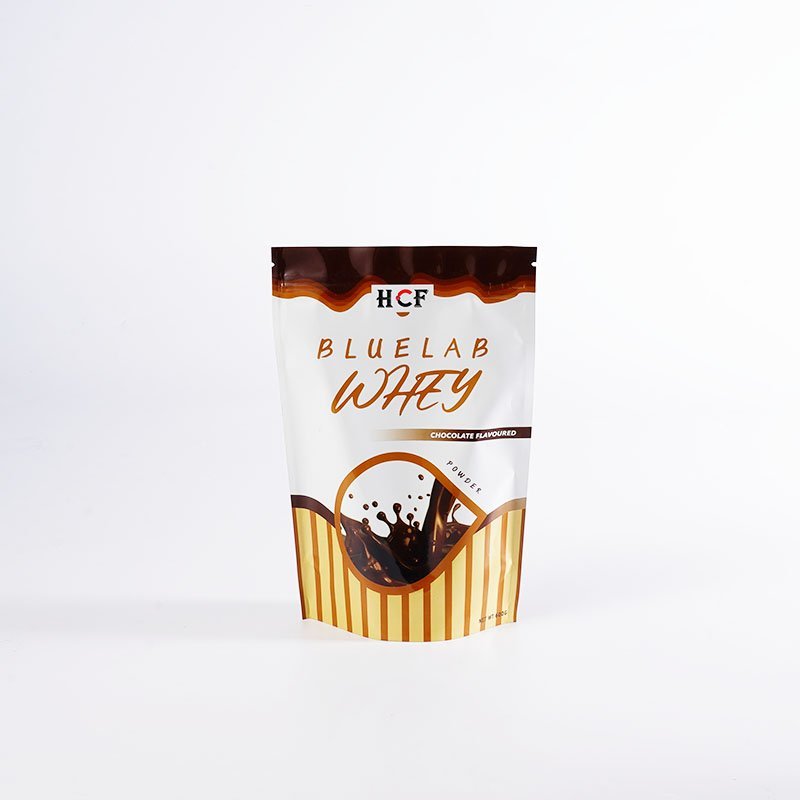
01For snacks, coffee, supplements and retail products.
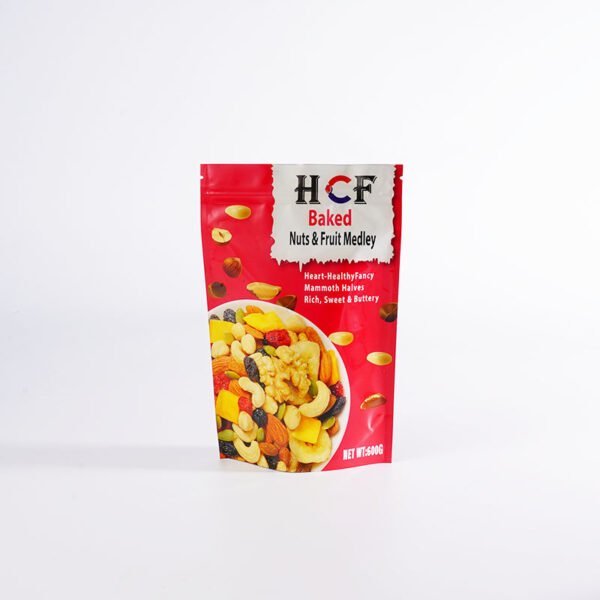
02For samples, powders and compact portions.
03For brands that want a paper-facing compostable option.
Film and roll-stock optionFor compatible automated packing equipment and material structures.
Claims & certification
Compostable claims should be specific to the complete package and supported by the appropriate documentation.
Films, adhesives, inks, zippers and labels all need to fit the claim being made.
Clearly distinguish home composting from industrial composting.
Use compostable packaging only where the target market has a suitable collection and composting option.
No. Compostable packaging is designed to break down under defined composting conditions and should be supported by the relevant standard or certification. “Biodegradable” is a broader term and does not by itself define the disposal conditions or time frame.
Potentially, if the chosen material provides the required aroma, oxygen and moisture protection and fits the intended composting option.
No. Kraft can be laminated with conventional plastic or foil, so the complete structure determines the claim.
Custom packaging programs start from 100 pcs, subject to the final material, size, printing and features.
Request a Quote
Send your product, pouch style, shelf-life needs, quantity, target market and whether you need home- or industrial-compostable packaging. We can recommend suitable material options for custom packaging from 100 pcs.