Product visibility
Clear Oxygen-Barrier Pouches
For products that need visibility while requiring stronger oxygen control than a standard clear laminate.
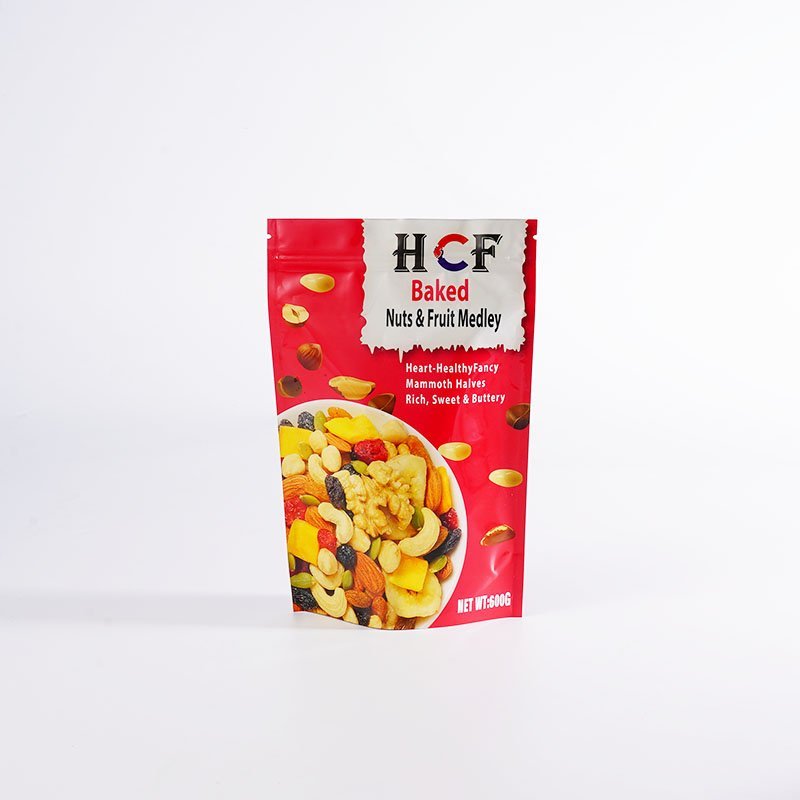
Oxygen barrier packaging
Reduce oxygen exposure with flexible packaging developed for products that can oxidize, lose aroma, change color or decline in quality during storage.
Choose a clear, metallized or foil barrier structure, then match it with the pouch format, filling process and closure required for your product.
Barrier options
The oxygen barrier can stay transparent or move to a metallized or foil structure depending on the protection target and shelf appearance.
Product visibility
For products that need visibility while requiring stronger oxygen control than a standard clear laminate.
Metallic appearance
A common option for stronger oxygen barrier and a metallic or opaque appearance.
Strong opaque barrier
For highly sensitive products where a very strong opaque oxygen barrier is justified.
For compatible filling lines that need a specified oxygen-barrier web and reliable heat sealing.
Product applications
Oxygen-sensitive products often need barrier protection long before the package shows any visible damage.
Helps limit oxidation and aroma loss during storage.
Helps reduce oxidative flavor changes in oil-rich products.
Can support flavor and aroma retention where oxygen sensitivity is high.
Useful for formulations where oxygen exposure can affect stability, color or sensory quality.
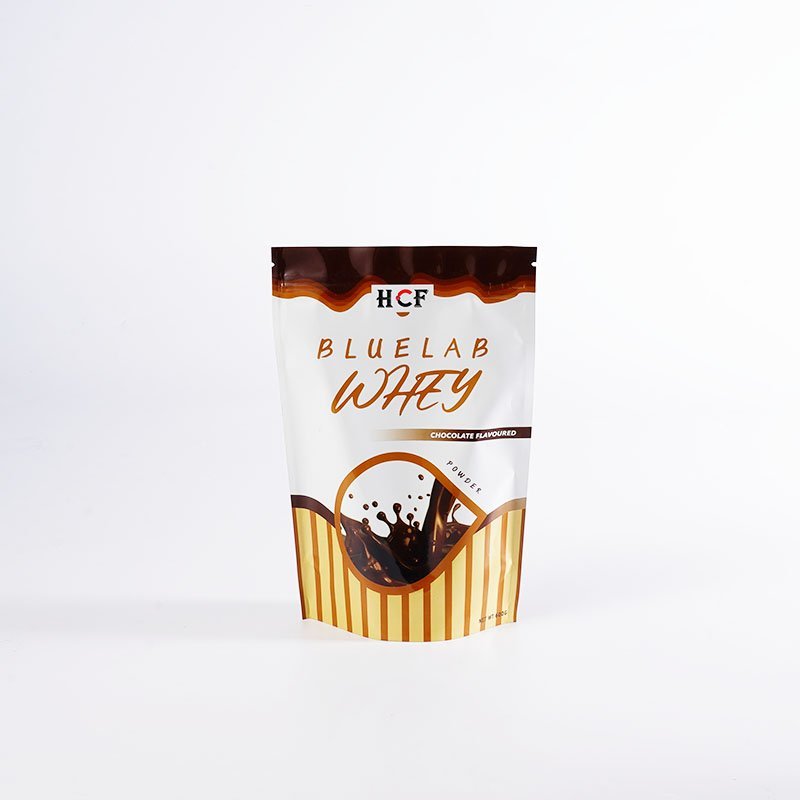
Material options
Select the material according to the required oxygen barrier, visibility, sealing and end-use conditions.
Clear barrier film optionClear film
Can use specialty coatings or functional barrier layers where product visibility matters.
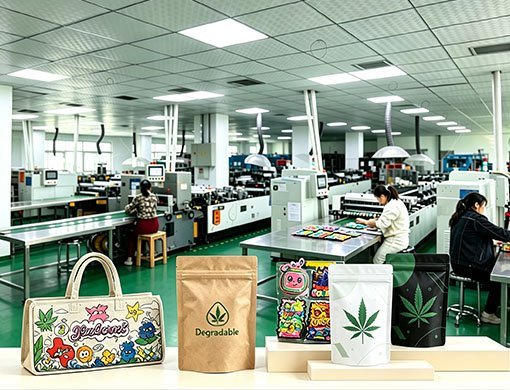
Filling & sealing
The film controls oxygen entering through the pouch wall, but oxygen already inside the pack and leaks around the closure also affect the result.
More trapped air means more oxygen is present inside the package from the start.
Where the customer uses nitrogen or another gas-flush process, the pouch structure and seals should support that packing method.
Coffee projects may combine oxygen barrier with a one-way valve where product degassing requires it.
The top seal and pouch edges should remain consistent after filling and distribution.

Build the pouch
Build the oxygen-barrier structure together with the pouch format and features your product actually needs.
Pouch StyleStand up, flat bottom, flat pouch or compatible roll stock.
Barrier StructureClear, metallized, foil or custom oxygen-barrier laminate.
ClosureZipper, valve, child-resistant closure or sealed top where appropriate.
Product VisibilityTransparent, partially visible or fully opaque design.
Custom PrintingArtwork and print planned around the chosen clear, metallic or opaque film.
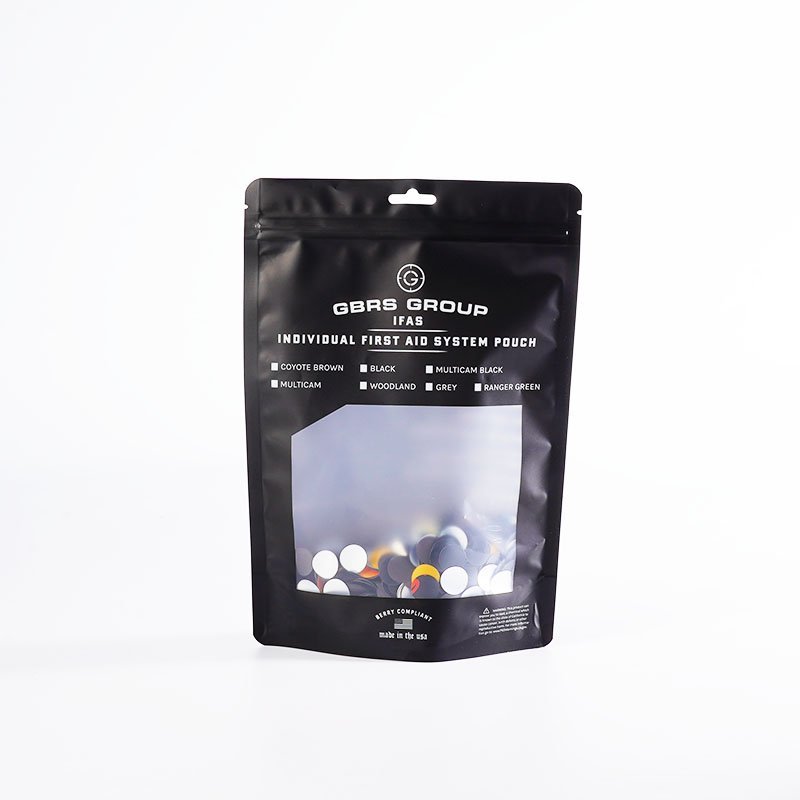
Barrier metric
Use OTR as a comparison point only when the test conditions and material structure are clearly stated.
Oxygen Transmission Rate (OTR) measures the rate of oxygen passing through a film or laminate under defined conditions. Lower OTR generally indicates stronger oxygen-barrier performance.
Temperature, humidity and test method can change results.
The OTR of one layer does not automatically describe the finished pouch.
Choose an OTR option from the product and shelf-life requirement, not simply the lowest available value.
It is packaging designed to slow oxygen transmission and reduce exposure for oxidation-sensitive products.
Coffee, nuts, oils, spices, supplements, botanicals and other oxidation-sensitive foods or ingredients are common examples.
OTR means Oxygen Transmission Rate, a standard way to measure oxygen transmission through a film or laminate under defined conditions.
Yes. Transparent barrier films and multilayer structures can be used where product visibility is important and the required barrier can be achieved.
Request a quote
Send your product, target shelf life, pouch style, size, quantity and filling method. We can recommend an oxygen-barrier structure for custom packaging from 100 pcs.