
Nylon LDPE Vacuum Packaging Bags for Meat, Fruit and Vegetables
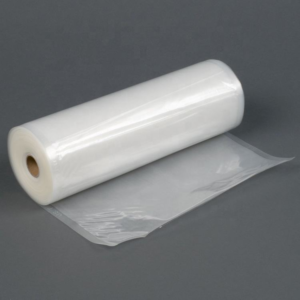
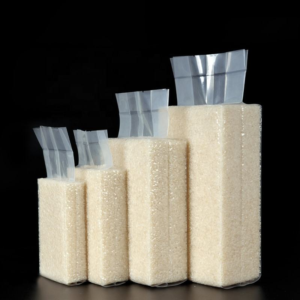
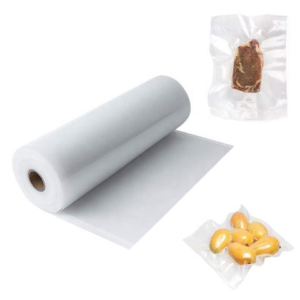
Nylon LDPE vacuum packaging bags are flexible food-packaging bags made with nylon and low-density polyethylene materials for vacuum packing meat, fruit and vegetables. The material combination is relevant to food processors, contract packers, distributors, wholesalers and private-label buyers that need a bag capable of conforming around its contents and forming a heat seal. Final dimensions, construction, barrier performance and sealing compatibility must be matched to the food, equipment and destination market before ordering.

Product Specifications
| Specification | Product information |
|---|---|
| Product type | Vacuum packaging bags |
| Materials | Nylon and LDPE |
| Intended contents | Meat, fruit and vegetables |
| Bag dimensions | To be confirmed according to product dimensions, fill volume and equipment |
| Material thickness | To be confirmed according to puncture, barrier and handling requirements |
| Bag construction | Seal layout, opening position and surface format require confirmation |
| Vacuum equipment compatibility | Chamber or external-suction compatibility must be confirmed before production |
| Closure | Heat-seal requirements depend on the selected bag structure and packing process |
| Printing and finish | May be configured subject to artwork, substrate, quantity and production review |
| Compliance requirements | Buyer must specify the food type, destination market and applicable requirements |
How the Nylon and LDPE Materials Function
In nylon polyethylene vacuum bags, nylon generally contributes toughness, puncture resistance and gas-barrier support, while LDPE contributes flexibility, moisture resistance and heat-sealability. Actual results depend on the complete structure, layer thickness, nylon grade, polyethylene seal layer, seal width and processing conditions. The material names alone do not establish a specific oxygen transmission rate, moisture transmission rate or shelf-life result.
This distinction matters for meat with exposed bones or sharp edges because localized pressure can challenge the bag. Fruit and vegetables create different demands: rigid stems may increase puncture risk, while soft produce may be compressed or bruised by an aggressive vacuum cycle. Product trials should therefore evaluate the bag and the vacuum settings together rather than treating material selection as a separate decision.
Size, Headspace and Filling Fit
A suitable bag size is based on the actual length, width, height and shape of the packed product, not only its stated weight. Irregular meat cuts need enough film to conform around raised areas. Fruit and vegetables may require additional space to avoid crushing during loading and evacuation. The bag opening also needs to fit the filling method and remain clean enough to create a reliable seal.
Too little headspace can make loading difficult or place food residue in the seal area. Excessive headspace uses more material and may extend the evacuation cycle. Buyers should confirm the usable internal area after allowing for perimeter seals, the final seal position and any required trim allowance.
Vacuum Sealer and Surface Compatibility
Not every vacuum bag works with every vacuum machine. Smooth bags are commonly associated with chamber systems, while some external-suction machines require a textured or embossed air channel. Because the surface format is not specified by the product name, buyers should identify the machine type, sealing-bar width, operating temperature range and preferred cycle before requesting a quotation.
The bag should be validated under actual packing conditions. Liquid migration from meat, moisture on produce and contamination near the opening can interfere with sealing. A heat seal can help retain the vacuum and contain product aroma when the material, equipment settings and seal area are properly matched, but it should not be described as permanently leakproof without application-specific testing.
Barrier and Product-Specific Trade-Offs
A thicker or tougher construction may improve resistance to puncture and rough handling, but it can also increase material use and stiffness. Greater stiffness may reduce how closely the bag conforms around irregular contents. A thinner construction may improve flexibility and pack appearance but may offer less protection against sharp bones, stems or demanding distribution conditions. The preferred balance should be selected through filled-product trials.
Vacuum packaging can be appropriate for many meat applications, but fruit and vegetables require special evaluation because some produce continues to respire after packing. Strong vacuum can also deform delicate products. The buyer should assess whether full vacuum, partial vacuum, another atmosphere or a different packaging format is suitable for the specific produce and intended storage conditions.
Custom Printing and Multi-SKU Procurement
Custom printed vacuum packaging bags may be configured with brand graphics, product names, handling information, lot-marking areas or other required content, subject to the selected construction and print process. Artwork should keep critical text, barcodes and registration-sensitive elements away from seals, edges and areas likely to wrinkle around the product. Print feasibility, color targets, finish and ink placement must be reviewed against the final dieline.
For private label OEM vacuum bags covering several meat cuts or produce varieties, buyers can improve consistency by standardizing shared elements such as material construction, print finish and brand colors while changing SKU-specific graphics. Each SKU still requires a separate fit review if product dimensions, puncture hazards or fill behavior vary. Standardization should not override the technical needs of an individual packed product.
Food-Contact and Destination-Market Review
Food-packaging requirements vary by destination market, food type, storage conditions and packing process. The buyer should identify whether the bags will contact fatty meat, acidic fruit, moist vegetables, frozen contents or products exposed to elevated sealing temperatures. Required declarations, migration documentation, labeling content and traceability information should be agreed during specification review. Nylon and LDPE identification alone does not demonstrate compliance with a particular jurisdiction.
Frequently Asked Questions
Are these bags suitable for both meat and produce?
They are intended for meat, fruit and vegetables, but the dimensions, material thickness, vacuum level and storage process must be validated for the specific food.
Can these bags run on an external-suction vacuum sealer?
Compatibility depends on whether the selected bag has the surface structure required by the machine, so the sealer type and bag format must be confirmed before production.
Does nylon LDPE provide a guaranteed oxygen barrier?
No specific barrier value is established by the material names alone; performance depends on the complete construction, thickness, seals and packing conditions.
Can the vacuum bags be custom printed?
Custom printing may be configured subject to the final material, bag dimensions, artwork, print process, quantity and production review.
How should a buyer choose the correct bag size?
Use the actual product length, width, height and shape, then allow for loading clearance, seal areas, evacuation behavior and appropriate headspace.
Request a B2B Quotation
To request pricing from a wholesale vacuum bag manufacturer, provide the food type, actual product dimensions, fill weight, desired bag dimensions, order quantity, number of artwork versions, preferred material or barrier requirement, surface format, finish, printing needs, filling method, vacuum machine type, storage conditions, destination market and applicable compliance needs. These details allow the bag structure and quotation to be evaluated against the real packing process.
Reviews
There are no reviews yet.