
Custom Printed Ziplock Mylar Bags for Tobacco Packaging
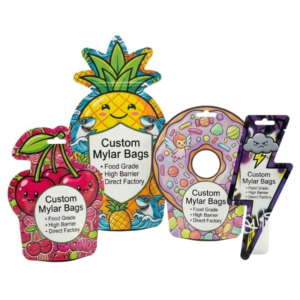
Custom printed ziplock Mylar bags are resealable flexible pouches for tobacco products that need branded graphics, a practical reclosure, and a packaging format suitable for B2B production programs. They can be specified for tobacco brands, distributors, wholesalers, importers, and private-label or multi-SKU buyers that need consistent pouch construction across several products. The final size, laminate structure, sealing method, finish, and artwork should be confirmed against the tobacco product, filling process, destination market, and required packaging performance.
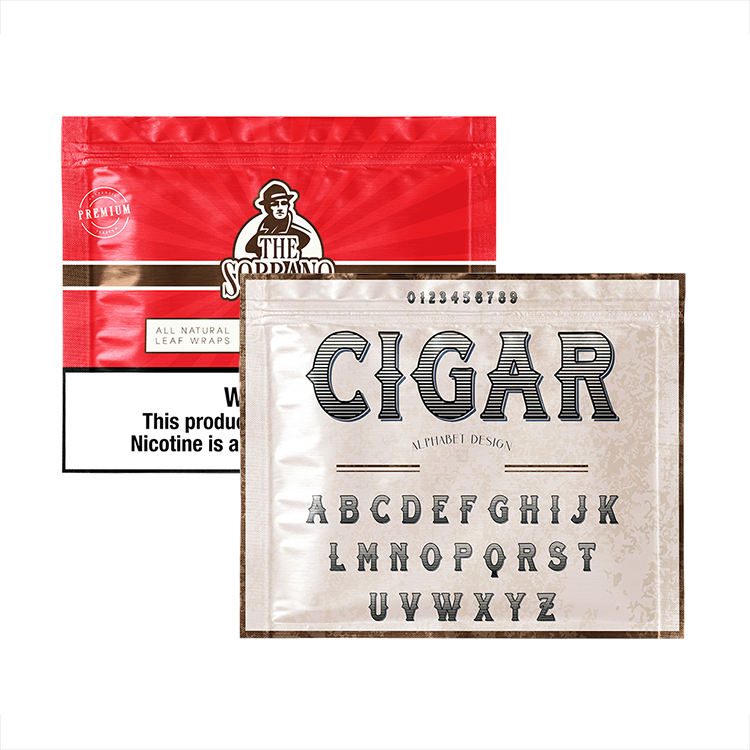
Product Specifications
| Product type | Custom printed ziplock Mylar bags |
|---|---|
| Intended use | Tobacco packaging; suitability for a specific tobacco format should be confirmed |
| Material | Mylar-based flexible packaging; the complete laminate or barrier structure is subject to final specification |
| Closure | Ziplock resealable closure; a separate tested child-resistant closure should not be assumed |
| Printing | Custom printed graphics, subject to artwork, print process, substrate, and production specifications |
| Dimensions and capacity | Not stated; confirm pouch dimensions, usable volume, product density, fill weight, and headspace |
| Finish | Not stated; matte, gloss, metallic, or other appearance options may depend on the selected structure |
| Order program | Suitable for discussion as a wholesale, private-label, OEM, ODM, or multi-SKU packaging project |
Match the Pouch to the Tobacco Product
Tobacco density and format affect the usable volume more than nominal fill weight alone. Loose tobacco, blends with different cut sizes, and products with different moisture conditions may occupy different volumes at the same weight. Confirm the actual fill weight, product dimensions, bulk density, and target headspace before selecting a bag size. Headspace affects filling accuracy, closure engagement, visual presentation, and the amount of air remaining in the pouch.
For a wholesale program, provide representative product samples or reliable measurements where possible. A pouch that fits one tobacco blend may not provide the same presentation or filling behavior for another blend. If the range includes several SKUs, compare the largest and smallest products, the intended fill line, and the artwork position before approving a common bag size.
Material, Barrier, and Sealing Considerations
Mylar identifies a flexible film component, but it does not by itself define the complete barrier performance. The selected laminate and seal system influence resistance to aroma transfer, moisture movement, oxygen exposure, light, puncture, and handling stress. For tobacco products, discuss whether aroma retention, moisture management, or light reduction is a priority. A metallic or opaque structure may support light protection, while a clear window can improve product visibility but may reduce light protection in that area.
Barrier performance also depends on converting quality, zipper alignment, heat-seal geometry, and how the bag is closed after filling. Custom printed ziplock pouches can be configured with a heat-sealable area or other sealing requirements depending on the selected construction, but a resealable zipper is not automatically an airtight or tested permanent seal. Confirm the complete laminate, seal width, zipper position, and any intended secondary seal during the RFQ process.
Ziplock Function Versus Child-Resistant Packaging
The ziplock provides a convenient resealable opening for repeated access. It should be evaluated for easy operation, closure alignment, and compatibility with the product and filling line. A standard resealable zipper should not be presented as child-resistant. If the destination market or product category requires child-resistant packaging, request a separately specified and appropriately tested closure system, then confirm the applicable documentation and regulatory requirements for that market.
A tear notch, heat seal, or other opening feature may be considered depending on the intended user experience and filling process. These features change the opening sequence and available artwork area, so they should be shown on the approved dieline rather than added after artwork approval.
Custom Printing and Multi-SKU Control
Custom printing lets a tobacco brand coordinate product names, blend information, warnings, barcodes, flavor or variant identifiers, and brand graphics across a pouch range. The exact printable area depends on the pouch dimensions, seals, zipper position, tear notch, gusset if used, and dieline. Keep critical text away from seal zones and folds, and confirm minimum text size, color references, barcode placement, and proofing requirements with the packaging supplier.
For private-label, OEM, and multi-SKU projects, establish one approved master specification before releasing multiple artworks. Record the pouch size, laminate structure, closure position, finish, color references, artwork version, and SKU identifier for each variant. Consistent specifications can simplify purchasing and line setup, while separate artwork proofs help prevent a blend name, warning, barcode, or market statement from appearing on the wrong pouch.
Format, Filling, and Finish Trade-Offs
A flat pouch can be efficient for storage and shipping, while a stand-up format with a gusset may provide more display presence and a broader base during filling. The gusset, if selected, changes the usable front panel, side-panel artwork, seal geometry, and headspace behavior. Confirm whether the bags will be hand-filled, filled with a measured scoop, or run through equipment, because the filling method affects opening width, pouch stiffness, zipper access, and acceptable tolerances.
Finish selection also involves a trade-off. Matte surfaces can create a subdued brand appearance and may change how dark colors are perceived; gloss or metallic effects can increase visual impact but may alter color appearance and the way scuffs or fingerprints are seen. Neither appearance alone proves a particular barrier level. Specify the visual finish separately from the functional laminate and request a physical or digital proof appropriate to the production decision.
Destination-Market Review Before Production
Tobacco packaging may need market-specific information, warnings, labeling, language, barcode, recycling, contact-material, or closure requirements. Requirements vary by destination and by product category. The packaging specification should therefore identify the sales market, the responsible brand or importer, the required label content, and any documentation or testing requested by the buyer. Do not treat the word “Mylar,” a custom print, or a resealable zipper as evidence of regulatory compliance.
RFQ Checklist for Wholesale Buyers
To obtain a comparable quotation, provide the intended tobacco contents, fill weight, product dimensions or sample, target pouch dimensions, estimated quantity, number of artwork versions, required material or barrier preference, zipper and secondary-seal requirements, finish, filling method, destination market, and compliance documentation needs. Include whether the order is for one SKU, a private-label range, or a recurring multi-SKU program. These details allow the supplier to assess the pouch construction instead of quoting from a generic bag description.
Frequently Asked Questions
Are these bags suitable for every tobacco product?
They are intended for tobacco packaging, but suitability is not universal. Confirm the tobacco format, fill weight, density, moisture condition, dimensions, headspace, barrier needs, and filling method before selecting the final pouch.
Does the ziplock make the pouch child-resistant?
No. A standard ziplock is a resealable closure and should not be treated as a tested child-resistant system. If child-resistant packaging is required, specify and verify a separate closure solution for the destination market.
Does Mylar alone define odor or moisture protection?
No. Aroma, moisture, oxygen, light, and puncture performance depend on the complete laminate, seal system, converting quality, and closure condition. Ask for the proposed structure and any relevant documentation during specification.
Can one pouch size serve several tobacco SKUs?
Possibly, but fill weight does not establish one universal pouch size. Compare product density, dimensions, fill line, headspace, artwork, and filling behavior across the SKU range before standardizing a format.
What information should a buyer send for an RFQ?
Send the tobacco contents, fill weight or actual product dimensions, desired pouch dimensions, quantity, artwork versions, material or barrier preference, closure and finish, filling method, destination market, and compliance needs. A product sample or dieline requirements can also help clarify the specification.
Request a Product-Specific RFQ
For a quotation on custom printed ziplock Mylar bags, send your tobacco product details, fill weight or actual dimensions, preferred pouch size, quantity, artwork version count, material or barrier requirements, closure, finish, filling method, destination market, and compliance needs. The more complete the specification, the easier it is to compare a suitable pouch construction for your wholesale, private-label, OEM, ODM, or multi-SKU program.
Reviews
There are no reviews yet.