
Custom Printed Child-Resistant Gummy Bags with a Soft-Touch Finish
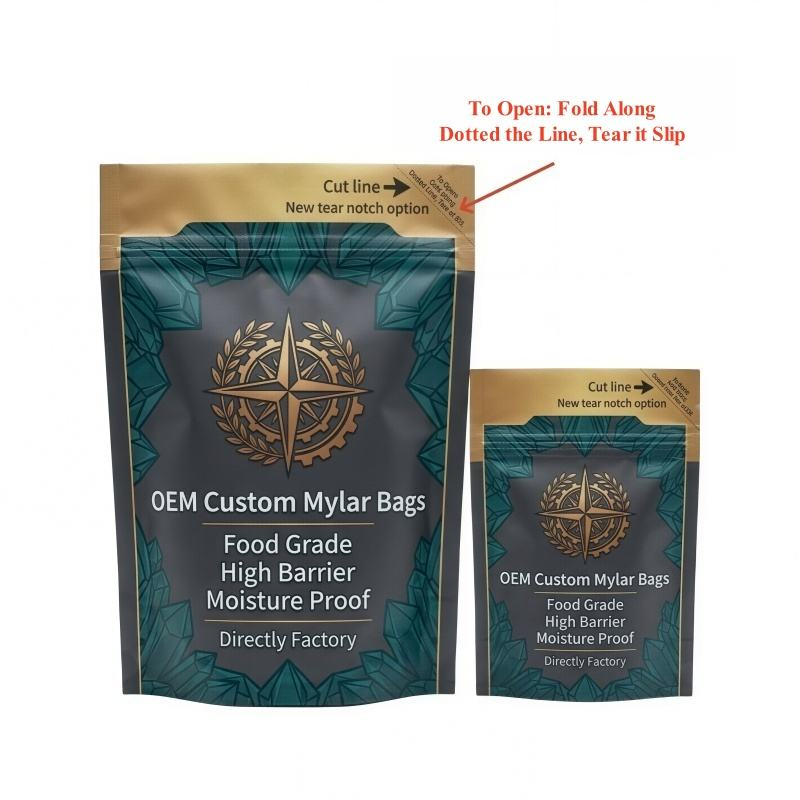
Custom printed child-resistant gummy bags are flexible Mylar packaging made for cannabis gummies and other portioned edibles. This product combines custom graphics, a soft-touch exterior, and a child-resistant configuration for cannabis brands, distributors, wholesalers, private-label programs, and buyers managing multiple edible SKUs. The exact dimensions, laminate, pouch format, opening mechanism, and regulatory requirements must be defined before production.
Product Specifications
| Product type | Custom printed flexible bags for cannabis gummies |
|---|---|
| Material description | Mylar flexible packaging; the complete laminate structure requires buyer confirmation |
| Finish | Soft-touch exterior |
| Printing | Custom printed; artwork versions and printing requirements must be specified |
| Child-resistant feature | Child-resistant configuration; exact opening mechanism and applicable testing requirements must be confirmed |
| Intended contents | Cannabis gummies and similar edible products |
| Dimensions and capacity | Not specified; determine from gummy count, piece dimensions, fill weight, headspace, and filling method |
| Pouch style | To be confirmed, including flat or gusseted construction and opening position |
| Optional functional details | May include a heat-seal area, tear features, or other details subject to the final specification |
Match the Bag to the Gummies, Not Only the Fill Weight
A stated edible weight does not establish one universal bag size. Gummy shape, piece count, sugar or oil coating, product density, and the amount of air between pieces all affect usable volume. Headspace is also needed so gummies do not interfere with the zipper or final heat-seal area.
Buyers should provide the actual gummy dimensions, target count, net fill weight, and preferred bag dimensions when available. If the product is filled manually, the opening must be practical for operators. Automated or semi-automated filling may require additional confirmation of pouch presentation, stiffness, opening behavior, and seal-zone geometry.
Mylar Laminate and Barrier Decisions
“Mylar” is commonly used in packaging procurement to describe polyester-based flexible bags, but it does not define the entire laminate. These soft-touch Mylar gummy pouches can be configured with different film layers depending on the required stiffness, puncture resistance, print surface, barrier, and heat-seal performance.
The complete laminate and sealing system determine how effectively the bag helps contain aroma and limit exposure to moisture, oxygen, and light when properly closed and sealed. Gummies that are sensitive to moisture gain, moisture loss, oxidation, or light may require a different structure from a short-distribution product. Requested barrier targets should therefore be discussed rather than inferred from appearance alone.
A practical trade-off is that a higher-barrier or heavier structure may feel stiffer and use more material, while a lighter structure may offer less protection. A clear window, if requested, improves product visibility but can reduce light protection depending on its construction. Neither a metallic appearance nor a soft-touch surface proves a particular barrier level.
Child-Resistant Opening, Zipper, and Final Seal
Child-resistant cannabis edible bags require more than an ordinary press-to-close zipper. A standard resealable zipper may help retain contents after opening, but it should not be represented as child-resistant unless the complete opening system satisfies the testing and documentation required for the destination market.
The RFQ should identify the intended child-resistant mechanism, whether reclosability is required, and whether the filled bag will receive a final heat seal. A heat seal can provide initial closure and tamper evidence when correctly specified and applied, but it does not independently establish child resistance. Seal temperature, pressure, dwell time, seal width, and contamination from gummy coatings can all affect seal quality.
Custom Printing, Soft-Touch Finish, and Multi-SKU Control
Custom gummy packaging bags provide space for brand graphics, flavor identification, cannabinoid information, warnings, directions, ingredients, and other market-specific content. Final print coverage depends on the die line, seal margins, opening mechanism, gussets, and any unprinted technical zones.
The soft-touch finish creates a low-glare, tactile surface, but artwork should be evaluated on the intended substrate and coating. Soft-touch treatments can alter color appearance compared with a gloss reference and may show handling marks differently. Color proofs, coating limits, barcode placement, fine text, and rub resistance expectations should be reviewed before production.
For private-label multi-SKU gummy pouches, use one controlled template for logo position, warnings, net quantity, flavor panels, and variable product information. Each artwork version should have a unique approval record so similar flavors, strengths, or formulas are not confused during printing and packing.
Food-Contact and Destination-Market Review
Because the bag directly holds gummies, buyers should specify applicable food-contact requirements for the material, inks, coatings, adhesives, and sealant layer. Cannabis packaging, labeling, child-resistance, warning, and opacity rules vary by jurisdiction and product format. The buyer should confirm which regulations and test protocols apply in every destination market; the product name alone does not establish approval or compliance.
Also confirm whether the soft-touch coating remains outside all product-contact and sealing areas, how the gummies will be loaded, and whether coated or sticky pieces could contact the closure. Filled-package evaluations are more informative than reviewing an empty bag alone.
Frequently Asked Questions
Does the soft-touch finish create the barrier?
No. The soft-touch finish provides the exterior tactile and visual effect. Aroma, moisture, oxygen, and light protection depend on the complete laminate, closure, and sealing system.
Is every resealable gummy bag child-resistant?
No. An ordinary resealable zipper is not automatically child-resistant. The complete opening system and finished package must be assessed against the requirements and test protocol applicable to the destination market.
How should the correct bag size be selected?
Use the gummy count, individual piece dimensions, product density, fill weight, required headspace, closure clearance, and filling method. Testing the intended product in a sample-sized format can help verify fit.
Can one pouch design support multiple flavors or strengths?
Yes, the packaging can support multiple artwork versions, subject to the confirmed print specification. Buyers should control shared design elements and clearly separate variable flavor, strength, formula, and warning information.
Will these bags be completely smell proof?
No permanent or absolute odor claim should be assumed. A suitable laminate and properly closed sealing system can help contain aroma, but performance depends on the final structure, closure, seal quality, handling, and storage conditions.
Request a Product-Specific B2B Quotation
For an RFQ, provide the gummy type, piece dimensions, count and fill weight, desired pouch dimensions, order quantity, number of artwork versions, preferred pouch style, barrier needs, child-resistant opening requirement, soft-touch and print expectations, filling method, final sealing process, destination market, and applicable food-contact or cannabis-packaging requirements. These inputs allow the bag structure, die line, closure, artwork area, and production specification to be evaluated without relying on unsupported assumptions.
Reviews
There are no reviews yet.