
Custom Printed Cigarette Boxes for 10 and 20 Pack Formats
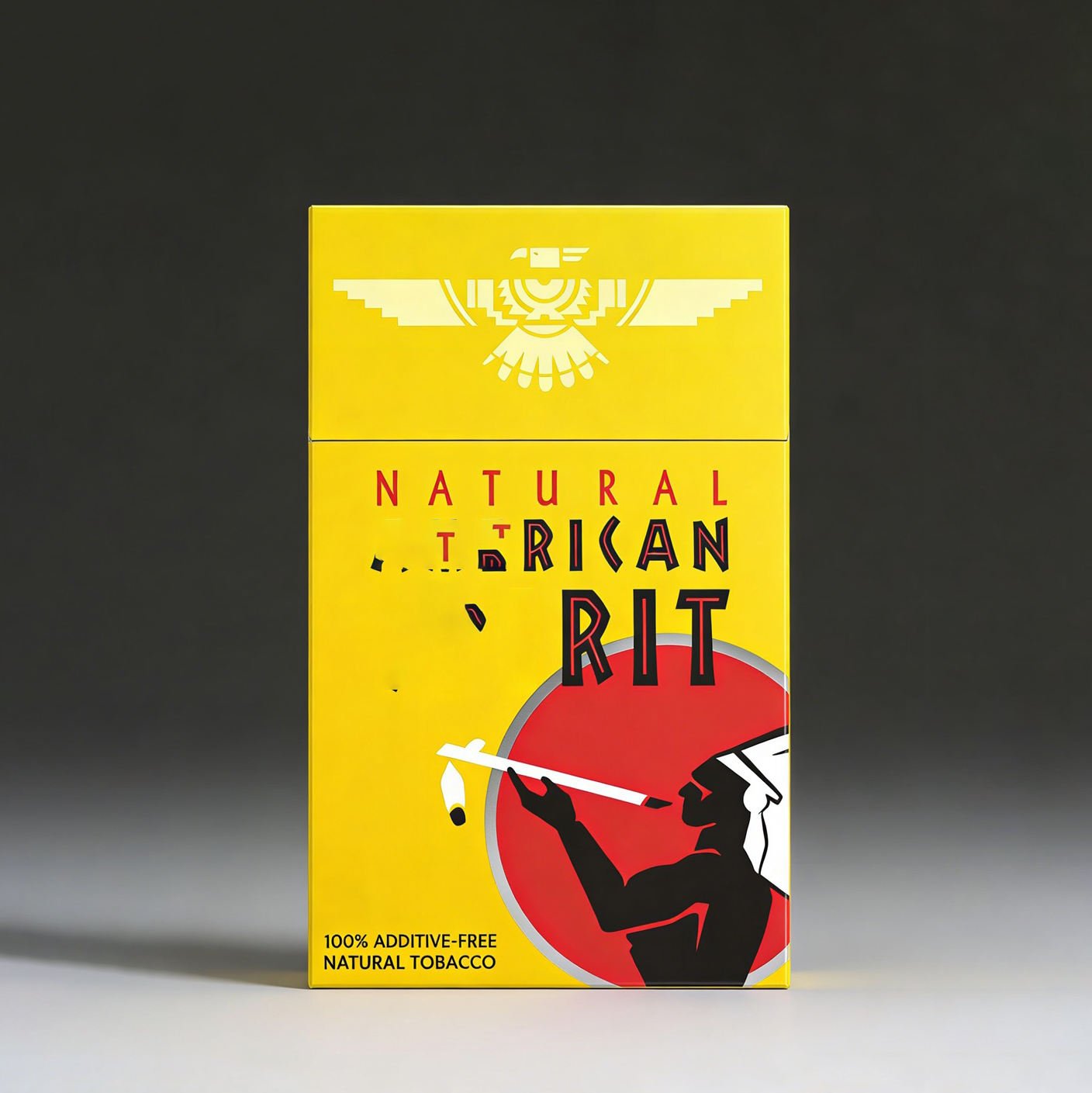
Custom printed cigarette boxes are paperboard-style retail cartons configured for 10-pack and 20-pack cigarette, hemp cigarette, or cannabis pre-roll presentations. They are built for B2B buyers who need branded outer packaging that can hold slim cylindrical products in a familiar pack format while leaving room for strain identity, warnings, barcodes, batch information, and private-label artwork.
For cannabis brands and multi-SKU distributors, the defining procurement question is not only whether the box says “10 pack” or “20 pack.” The actual cigarette or pre-roll length, diameter, filter style, inner wrap, tray, bundle method, and closure preference all affect the final dieline. These boxes can be developed as custom pre-roll cigarette packaging for retail display, wholesale cartons, promotional multi-packs, or OEM programs where consistent artwork architecture is needed across several strains or product lines.
Product Specifications
| Product type | Custom printed cigarette boxes for 10-pack and 20-pack configurations |
|---|---|
| Intended contents | Cigarettes, hemp cigarettes, cannabis pre-rolls, or similar cylindrical smoking products; final fit depends on actual product dimensions |
| Material | Typically configured with printable paperboard or carton stock, subject to final specification |
| Structure | Folding carton or pack-style box formats may be developed depending on the required opening, tuck, insert, or sleeve design |
| Printing | Custom printed graphics, logos, strain names, color coding, regulatory panels, and barcode areas can be specified |
| Finish options | Matte, gloss, soft-touch, metallic, spot effects, or other finishes may be available depending on substrate and artwork requirements |
| Closure | Tuck flap, sleeve, seal label, tamper-evident feature, or other closure approach must be confirmed for the destination market |
| Compliance status | Buyer must confirm market-specific cannabis, tobacco, labeling, warning, and child-resistant requirements before production |
Fit and Pack Count Are Driven by the Actual Product
A 10 and 20 pack cigarette box is a pack-count concept, not a universal dimension. A king-size cigarette, short hemp cigarette, infused pre-roll, paper tube, or cone can require different internal clearance. If products move too freely, they may rattle, crush, or misalign during transport. If the carton is too tight, filling becomes slow and product ends may be damaged when the pack is closed.
For an RFQ, buyers should provide actual product length, maximum diameter, expected count per box, whether filters or mouthpieces are included, and whether the products are loose, banded, wrapped, or placed in an inner tray. This information allows the box dieline and headspace to be adjusted before artwork is finalized.
Material, Barrier, and Product Protection Considerations
Paperboard cannabis cigarette boxes provide print area, retail structure, and shelf presentation, but paperboard alone should not be treated as a complete aroma or moisture barrier. If the contents require stronger odor control, freshness retention, or oxygen and moisture resistance, the outer carton may need to work together with an inner wrap, film pouch, foil laminate, or sealed liner. Barrier performance depends on the complete material system and sealing method.
Brands comparing carton-only, lined, or overwrapped formats can review broader packaging material comparison factors before choosing a structure. A heavier or laminated board can improve stiffness and perceived value, while a lighter board may reduce material use and shipping weight. The trade-off is that added structure, specialty finish, or inner barrier components can affect folding behavior, recyclability goals, and unit cost.
Custom Printing and Multi-SKU Brand Control
Custom printed cigarette boxes are useful for cannabis and hemp brands managing several strains, strengths, flavors, or regional warning panels. A shared master dieline can support consistent logo placement and brand blocking, while variable panels can carry strain names, cannabinoid information, batch coding areas, and color systems. This is especially important for private label cigarette boxes where one buyer may need related but distinct artwork versions for multiple retail customers.
Artwork should be developed around the final dieline, not a guessed template. Fold lines, glue areas, tuck flaps, opening panels, and rounded corners can limit where small text, QR codes, or warning icons should be placed. If a metallic, holographic, soft-touch, or spot-gloss look is required, the design should be checked against print registration, scuff resistance expectations, and legibility of required text.
Closure, Tamper Evidence, and Child-Resistant Distinctions
A standard tuck carton is not the same as a tested child-resistant package. Some markets may permit an outer carton with an internal compliant container, while others may require the whole consumer package to meet specific rules. Seal labels, tear strips, shrink bands, or tamper-evident features can help show whether a pack has been opened, but they should not be described as child-resistant unless the selected design is tested and documented for that requirement.
If your distribution channel requires visible opening control, discuss tamper evident packaging options during specification. If cannabis regulations require restricted access, evaluate the box design together with the appropriate child resistant packaging approach instead of assuming a printed carton will satisfy the rule by itself.
Compliance and Destination-Market Review
Cannabis, hemp, and tobacco-style packaging can be subject to strict rules on warning size, universal symbols, age statements, ingredient or cannabinoid disclosure, health claims, flavor restrictions, plain-packaging requirements, and barcode or track-and-trace placement. These rules vary by country, state, province, and sales channel. The box can be designed with reserved panels for compliance content, but the buyer is responsible for confirming the final required wording and symbols for the destination market.
For multi-region procurement, keep compliance layers separate in the artwork file. This makes it easier to manage shared brand graphics while changing warnings, language, and label content by market without rebuilding the entire box design.
Custom Development Process
- Requirements review: Confirm product type, 10-pack or 20-pack count, actual cigarette or pre-roll dimensions, filling method, market, and regulatory packaging needs.
- Specification confirmation: Select the carton style, board or paper-based structure, closure method, finish, print process, and any inner liner, insert, or seal feature required.
- Dieline and sample review: Check fit, opening behavior, artwork placement, warning-panel space, barcode readability, and product movement before approving the production file.
- Bulk-production approval: Approve final artwork, color targets, material specification, quantity, packing method, and quality checkpoints for the custom order.
FAQ for B2B Buyers
Are these boxes only for tobacco cigarettes?
No. They can be specified for tobacco-style cigarettes, hemp cigarettes, cannabis pre-rolls, or similar cylindrical products. The buyer should provide the actual product length, diameter, and pack count so the internal fit can be engineered correctly.
Does a 10-pack or 20-pack label determine the box size?
No. Pack count confirms the number of units, but box dimensions depend on product diameter, length, arrangement, insert style, and whether the contents are loose, wrapped, or placed in an inner tray.
Can the same design system support multiple strains or SKUs?
Yes. A shared dieline and brand layout can be used with variable colors, strain names, warning panels, barcodes, and batch areas, subject to artwork and print setup confirmation.
Are these boxes smell proof?
A printed paperboard box alone should not be treated as a permanent smell-proof package. Aroma control can be improved when the carton is paired with a suitable inner barrier wrap, pouch, liner, or sealed component, depending on the selected structure and sealing quality.
Can the box be made child-resistant?
A normal tuck carton is not automatically child-resistant. If child resistance is required, the closure system or inner packaging must be reviewed against the applicable market requirement and any needed testing documentation.
RFQ Information to Prepare
To request a wholesale cigarette box manufacturer quotation, provide the product type, 10-pack or 20-pack requirement, actual cigarette or pre-roll length and diameter, desired box style, approximate box dimensions if known, quantity, number of artwork versions, board or barrier expectations, finish preference, closure or tamper-evident needs, filling method, destination market, and any cannabis or tobacco compliance requirements. Clear inputs at the RFQ stage help prevent dieline changes, artwork rework, and poor product fit after sampling.
Reviews
There are no reviews yet.