
Custom Logo Rolling Tobacco Pouches with Printed Flaps
Custom logo rolling tobacco pouches are flexible branded pouches made for rolling tobacco, cannabis-adjacent smoking blends, papers, filters, tips, and compact accessory kits. This product is defined by its custom logo presentation and printed flap area, giving B2B buyers a visible brand panel for strain names, flavor lines, warnings, batch details, or private-label graphics. It is intended for cannabis brands, tobacco distributors, wholesalers, OEM buyers, and multi-SKU purchasers that need pouch packaging specified before RFQ rather than a generic stock bag.
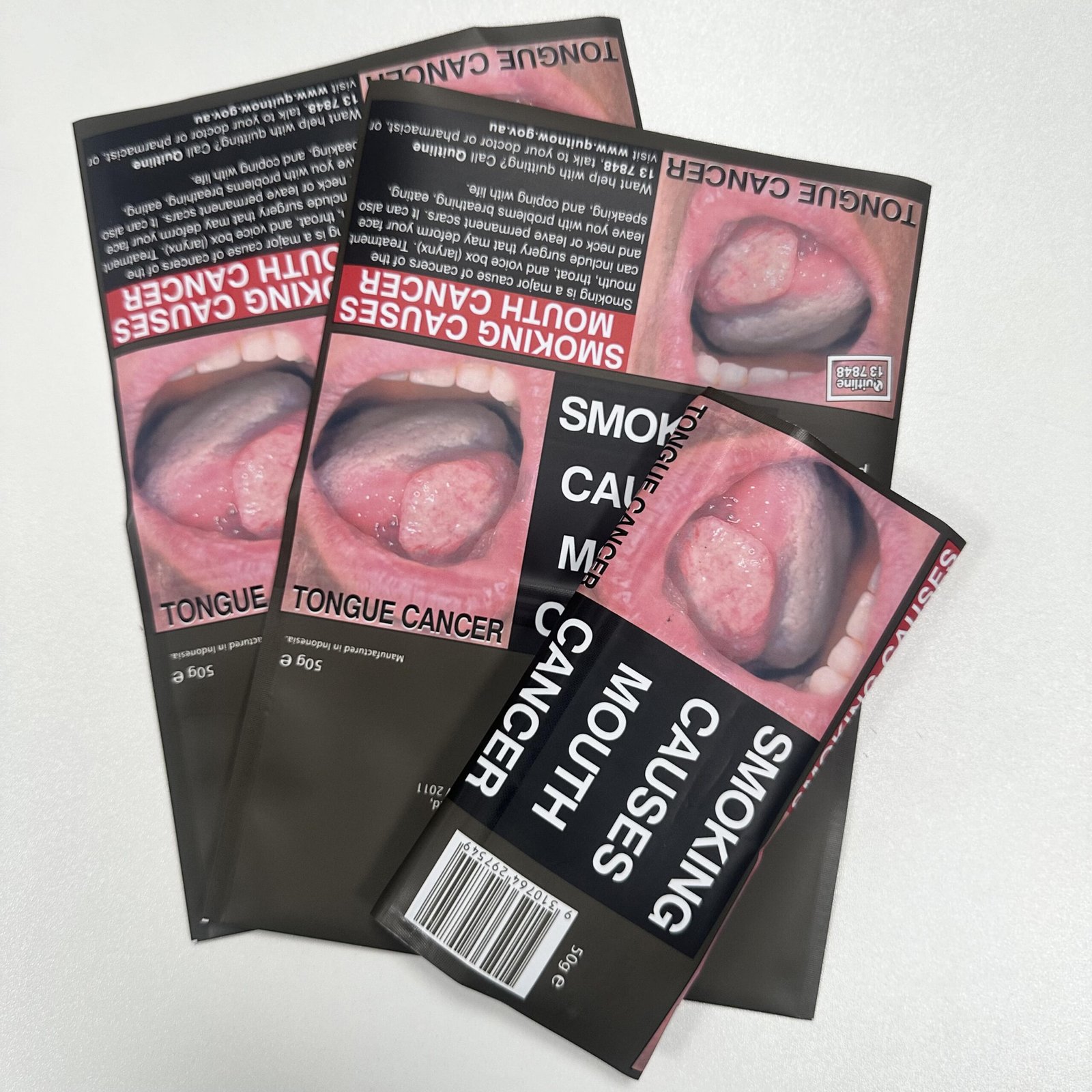
Product Specifications
| Product type | Custom logo rolling tobacco pouches with printed flaps |
|---|---|
| Intended contents | Rolling tobacco, cannabis flower portions, smoking blends, rolling papers, filters, tips, or accessory inserts, subject to buyer confirmation |
| Pouch format | Flexible pouch with flap; exact pouch style, seal geometry, and opening position to be confirmed |
| Printing | Custom logo and printed flap graphics; artwork area, colors, finish, and dieline depend on final specification |
| Material structure | Can be configured with selected flexible packaging films or laminate structures according to barrier, stiffness, appearance, and sealing needs |
| Closure | May include resealable or heat-sealable features depending on selected design; child-resistant function must be specified and tested separately if required |
| Size and capacity | Not fixed by the product name; buyer should confirm fill weight, product density, insert size, headspace, and desired pouch dimensions |
| Compliance inputs | Destination market, warning space, labeling rules, and any required documents must be confirmed before production |
What This Pouch Is Designed to Do
Printed flap tobacco pouches are useful when the front face alone is not enough for branding, instructions, or retail messaging. The flap can create a premium presentation, protect an opening area, or organize the user experience for rolling products. For cannabis and tobacco programs, the flap is often considered during artwork planning because it affects what the consumer sees first and how regulatory or product information is distributed across panels.
This is not a one-size-fits-all capacity item. A pouch for loose rolling tobacco behaves differently from a pouch for denser flower, paper booklets, or a combined kit with filters. Bulk density, product shape, and the amount of headspace influence the final dimensions, seal width, and folding behavior. Before ordering private label rolling tobacco pouch bags, buyers should test the actual fill and any inserts rather than relying only on a target gram weight.
Material, Barrier, and Aroma Control Considerations
The barrier performance of flexible rolling paper pouch packaging depends on the complete laminate, seal system, and closure choice. A film structure may be selected to help contain aroma, reduce moisture exchange, improve puncture resistance, or add stiffness, but no single visual finish proves the barrier level. Matte, kraft-look, metallic, clear, or soft-touch designs are appearance choices unless paired with a confirmed structure.
For loose tobacco or cannabis flower, aroma and moisture management are usually key RFQ topics. A higher-barrier laminate can help protect product freshness when properly sealed, while a more paper-like or recyclable-oriented structure may support sustainability goals with different stiffness and barrier trade-offs. Buyers comparing options can review flexible packaging material comparisons before selecting the pouch structure for testing.
Printed Flap Artwork and Multi-SKU Branding
The printed flap is a major advantage for brands managing multiple flavors, blends, strains, or regional label versions. It can carry a logo, product family name, variant color, usage instructions, or secondary compliance panel. For multi-SKU procurement, keep the shared dieline, logo position, barcode area, and warning zone consistent so different SKUs look like one brand family on shelf.
Custom printed cannabis tobacco pouches should be prepared with print-ready artwork, clear panel priorities, and confirmed copy placement. Metallic inks, varnish effects, matte finishes, spot gloss, or kraft-style appearances may be possible depending on the chosen substrate and print method. Buyers should request dieline review and sample confirmation because flap folds, creases, and seal areas can affect how fine text and logos appear after forming.
Closure, Heat Seal, and Child-Resistant Distinctions
A resealable feature can help consumers reopen and close the pouch during repeated use, while a heat seal can support tamper evidence before first opening when specified correctly. These are different functions. A standard zipper or flap is not automatically child-resistant. If the destination market requires child-resistant cannabis packaging, the closure system, opening instructions, and test documentation must be addressed as a separate requirement. Buyers can compare this decision with child resistant packaging options before finalizing the pouch design.
The main trade-off is usability versus protection. A soft, easy-open pouch may improve the consumer experience for rolling products, but stronger seals, added tear notches, or child-resistant mechanisms can change opening force, filling speed, and panel layout. The right decision depends on contents, buyer compliance obligations, and whether the pouch is primary retail packaging or an inner branded pack.
Fit, Filling Behavior, and Headspace
Pouch sizing should be based on real product testing. Loose tobacco and flower settle during handling, while papers and filters need flat internal space and protection from bending. Too little headspace can stress seals and distort the flap; too much headspace can make the pack feel underfilled and allow more movement. If the pouch will be filled by hand, semi-automatic equipment, or automated lines, the opening width, seal allowance, and flap position should be confirmed before bulk approval.
For accessory kits, buyers should provide the maximum length, width, and thickness of the largest insert. For flower or tobacco, provide target fill weight and typical density. If oxygen, moisture, UV exposure, or aroma retention are priorities, the selected laminate and seal method should match those goals rather than relying on the phrase smell resistant alone. For projects where aroma control is a major requirement, review smell resistant packaging considerations during specification.
Custom Development Process
- Requirement intake: confirm contents, fill weight or insert dimensions, destination market, pouch use, branding goals, and whether the printed flap is decorative, informational, or functional.
- Specification confirmation: define pouch dimensions, material structure, barrier intent, closure, seal style, finish, artwork zones, and any compliance label space.
- Sample and artwork review: check dieline fit, flap folding, logo position, opening behavior, and how the actual product sits inside the pouch.
- Bulk-production approval: approve final artwork, structure, closure, and production specification before manufacturing the wholesale tobacco pouch order.
FAQ
Can these pouches be used for cannabis flower as well as rolling tobacco?
Yes, they can be specified for cannabis flower, tobacco, smoking blends, papers, filters, or mixed rolling kits, but the pouch size and structure should be confirmed with the actual product and target market requirements.
Does a printed flap make the pouch smell proof?
No. The printed flap supports branding and presentation. Aroma control depends on the selected laminate, seal quality, closure, and whether the pouch is properly sealed.
Can the flap carry compliance warnings or strain information?
It may be used for warnings, variant names, instructions, or branding if the artwork area and destination-market label rules allow it. Buyers should confirm required text size, placement, and language before artwork approval.
Are these pouches automatically child-resistant?
No. A standard printed flap or resealable pouch is not automatically child-resistant. If child-resistant function is required, it must be specified, designed, and documented separately.
What information is needed for an accurate RFQ?
Provide the contents, fill weight or actual product dimensions, desired pouch size, quantity, artwork versions, material or barrier goals, closure type, finish, filling method, destination market, and any compliance needs.
Request a B2B Quotation
For an OEM, ODM, private-label, or wholesale pouch quote, send your product contents, target fill weight or insert dimensions, preferred pouch dimensions, artwork count, printed flap requirements, material and barrier preferences, closure choice, finish, filling method, quantity, destination market, and any compliance documentation needs. These details allow the pouch specification to be checked before sampling and bulk-production approval.

Reviews
There are no reviews yet.