
Custom Freezer Flat-Bottom Bags for Frozen Cannabis Products
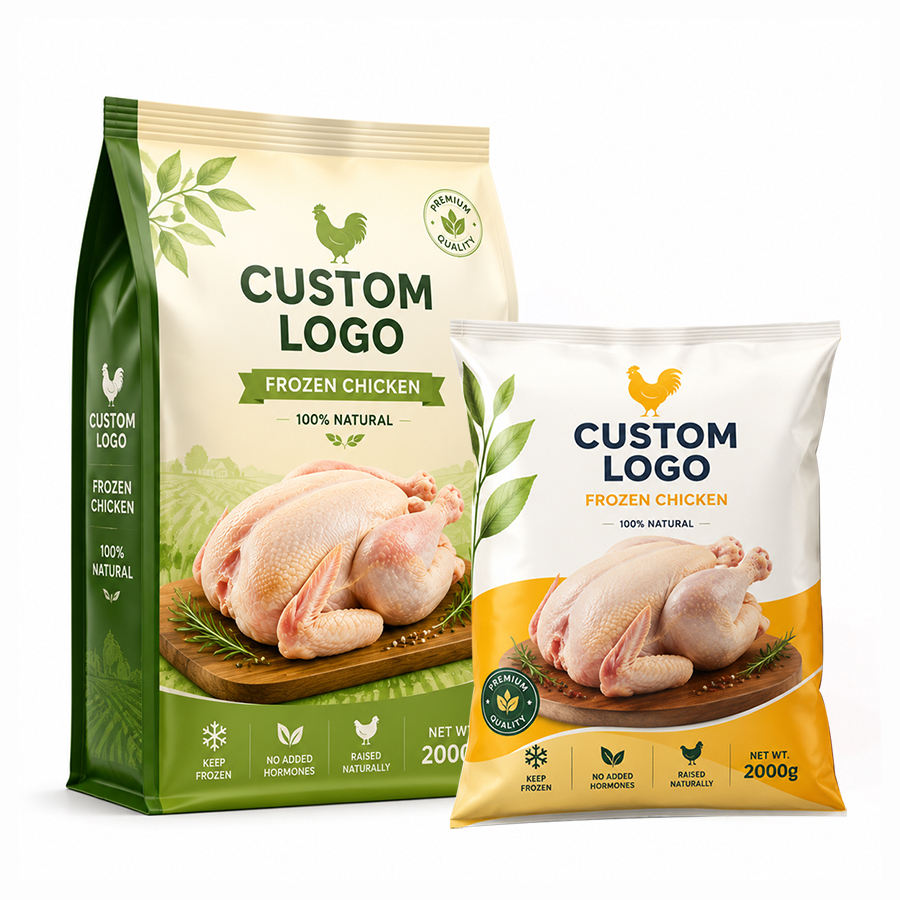
Custom freezer flat-bottom bags are flexible pouches configured with a formed base for products that will be stored or distributed under frozen conditions. They are relevant to cannabis brands, edible manufacturers, distributors, private-label programs, and multi-SKU buyers seeking a customizable package for frozen contents. The laminate, seals, closure, dimensions, and print specification must be matched to the actual product, filling process, storage temperature, and destination market.
Product Specifications
| Specification | Product Detail |
|---|---|
| Product type | Custom flexible freezer bag |
| Pouch format | Flat-bottom pouch; exact gusset and seal geometry must be confirmed |
| Intended use | Products designated by the buyer for frozen storage, including cannabis products where permitted |
| Material structure | To be selected according to product contact, barrier, freezer temperature, sealing, and handling requirements |
| Dimensions and capacity | Custom; confirm product dimensions, fill weight, density, headspace, and desired pouch size |
| Closure | To be specified; zipper and final heat-seal requirements are separate decisions |
| Printing and finish | May be configured for custom artwork, subject to the selected substrate and printing process |
| Compliance requirements | Buyer must identify destination-market, product-contact, labeling, and child-resistant requirements |
How the Flat-Bottom Format Affects Filling and Display
A flat-bottom pouch uses a formed base rather than a simple two-panel lay-flat construction. The wider base can improve presentation and may help the filled package remain upright, but standing behavior depends on the pouch proportions, bottom geometry, product distribution, and fill level. Exact side-gusset, corner-seal, or panel construction should be established on the approved die line.
This format can offer multiple printable panels for branding, strain or flavor identification, preparation instructions, warnings, and variable SKU information. It also introduces more folds and seal intersections than a basic flat pouch. Those areas require careful evaluation because frozen contents, handling impacts, and temperature cycling can place stress on the laminate and seals.
Laminate Selection for Frozen Storage
Buyers comparing laminated flat-bottom freezer pouches should assess the complete structure rather than selecting a package by appearance alone. Depending on the chosen films and sealant layer, a laminate can be configured to support moisture resistance, oxygen control, aroma containment, puncture resistance, stiffness, and heat sealability. Actual performance depends on every layer, the seal design, filling cleanliness, storage temperature, and distribution conditions.
Low temperatures can change film flexibility, seal behavior, and resistance to cracking or puncture. Products with sharp frozen edges or rigid inclusions may require a different toughness profile from soft frozen edibles. Condensation after removal from a freezer can also affect labels, inks, surface appearance, and handling. Freezer suitability should therefore be validated with the final product and intended temperature cycle rather than inferred from material thickness alone.
Metallic or opaque structures may improve light protection, while a clear window provides product visibility but reduces light shielding in that area. A high-barrier structure may provide stronger aroma, moisture, or oxygen protection, but can increase stiffness and may affect recyclability pathways or material cost. This is a practical trade-off to resolve during specification development.
Capacity, Headspace, and Product Fit
A stated fill weight does not establish one universal pouch size. Frozen cannabis edible packaging can contain products with different shapes, densities, surface coatings, and movement characteristics even when net weight is identical. Buyers should provide actual product dimensions or representative samples in addition to the target fill weight.
Allow enough usable volume for filling, closure engagement, and the final top seal. Excessive headspace can increase internal movement and package bulk, while insufficient headspace can contaminate the zipper or heat-seal area and reduce sealing consistency. The dimensions should also account for any expansion, product rigidity, or changes expected during freezing and thawing.
Zippers, Heat Seals, and Child-Resistant Requirements
A resealable zipper may support repeated access after opening, but it is not automatically child-resistant. If regulated cannabis products require child-resistant packaging, the buyer must specify the applicable market and required closure standard. A child-resistant mechanism should be sourced and evaluated as a distinct feature rather than assumed from the presence of a zipper.
For tamper evidence and distribution security, a filled pouch may require a final heat seal above the zipper. Seal width, sealing temperature, dwell time, pressure, and seal-area cleanliness depend on the selected sealant and filling equipment. Tear notches can be considered for opening convenience, although their position must work with the top seal, zipper, artwork, and required child-resistant function.
Custom Printing and Multi-SKU Control
Custom printed freezer bags may be configured with brand graphics, flavor or strain distinctions, preparation information, warnings, lot-code areas, and other required copy. Printable area, ink system, color appearance, registration tolerance, and finish depend on the substrate, print method, pouch construction, and approved artwork file.
For private-label multi-SKU freezer pouches, establish a shared structural specification before separating artwork versions. Using the same dimensions, laminate, closure position, finish, and regulatory information zones across compatible SKUs can improve visual consistency and simplify procurement. Each version must still be reviewed for its exact contents, net quantity, claims, warnings, and destination-market labeling.
Matte, gloss, metallic, holographic, or kraft-style appearances do not by themselves establish freezer or barrier performance. Surface effects should be selected only after confirming that they are compatible with the required laminate, printing process, temperature exposure, and coding method.
Compliance and Qualification Before Production
A wholesale freezer pouch supplier needs the intended market and product category before recommending a final configuration. Cannabis packaging rules can address child resistance, tamper evidence, opacity, warning placement, symbol use, serving information, and restrictions on graphics. Requirements vary by jurisdiction and product type.
The buyer should identify any applicable product-contact requirements and provide the conditions of use, including frozen storage temperature, expected storage duration, thawing conditions, and whether the pouch will contact oily, acidic, moist, or strongly aromatic contents. Final production approval should be based on the agreed specification, artwork proof, representative samples, and product-specific filling and storage evaluation.
Frequently Asked Questions
Are these bags automatically suitable for every freezer temperature?
No. The product is a freezer bag format, but the selected laminate, seals, zipper, inks, and finish must be evaluated for the buyer’s actual storage temperature, contents, and temperature cycle.
Does a flat-bottom pouch stand upright after filling?
The formed base can support an upright presentation, but stability depends on pouch dimensions, bottom geometry, fill level, product distribution, and the rigidity of the frozen contents.
Can these pouches help contain cannabis aroma?
They can be configured with a laminate and sealing system that helps contain aroma when properly sealed. Odor resistance depends on the complete structure, closure, seals, filling quality, and handling conditions.
Is a standard zipper considered child-resistant?
No. An ordinary resealable zipper is not automatically child-resistant. If child resistance is required, specify the destination market and the applicable closure and testing requirements.
What information is needed to determine the pouch size?
Provide the product’s fill weight, density, individual dimensions, desired headspace, filling method, closure area, and any expansion or shape changes expected during freezing and thawing.
Request a Product-Specific B2B Quotation
For an RFQ, provide the packaged contents, target fill weight, actual product dimensions, desired pouch dimensions, order quantity, number of artwork versions, preferred barrier functions, closure type, finish, filling and heat-sealing method, freezer temperature range, destination market, and applicable compliance needs. These inputs allow the custom freezer flat-bottom bag structure, die line, sealing system, and artwork plan to be reviewed against the intended application.
Reviews
There are no reviews yet.