
Biodegradable Aluminum Foil Flat-Bottom Bags for Custom Cannabis Packaging
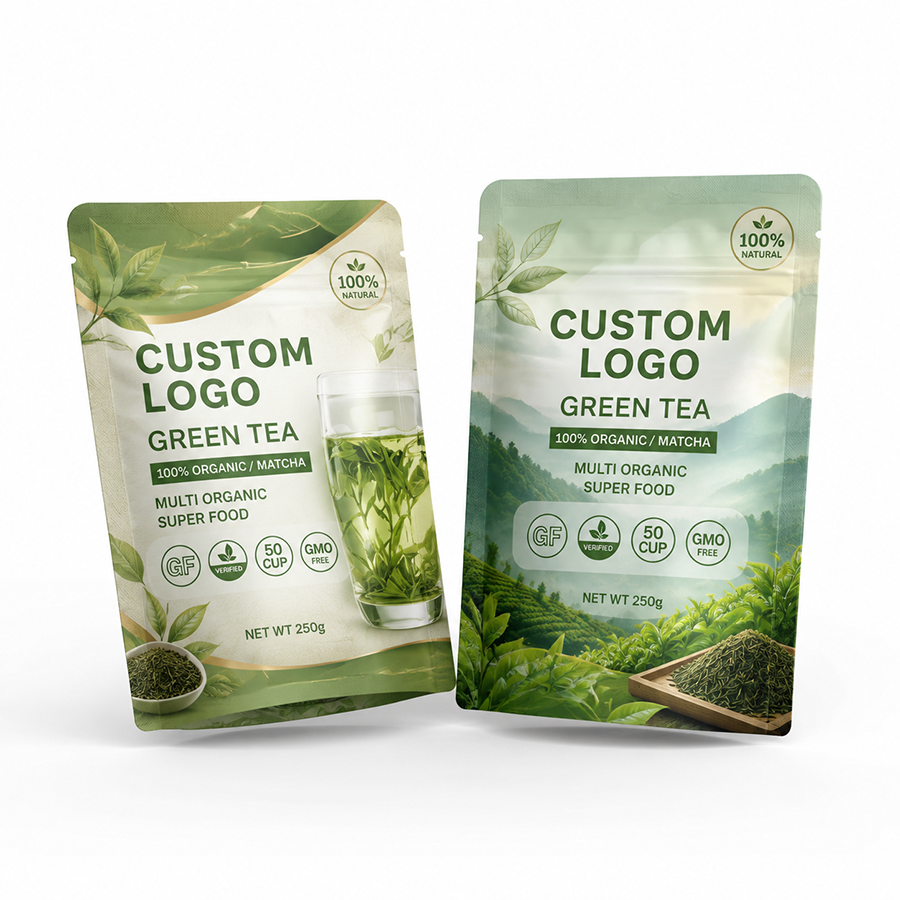
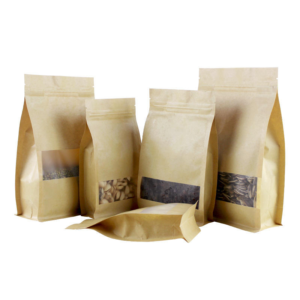
Biodegradable aluminum foil flat-bottom bags are custom printed flexible packages combining a flat base, an aluminum foil component and a biodegradable product designation. They can be specified for cannabis flower, edibles or other products requiring branded, space-efficient packaging. These bags are relevant to cannabis brands, distributors, wholesalers, private-label buyers and multi-SKU programs that need the pouch structure, barrier system, closure and artwork coordinated before production.
Product Specifications
| Attribute | Specification |
|---|---|
| Packaging format | Flat-bottom flexible bag |
| Material attribute | Aluminum foil component; complete laminate structure must be confirmed |
| Environmental designation | Biodegradable; applicable layer, test method and disposal conditions require supplier confirmation |
| Printing | Custom printed; artwork process, color capability and printable areas depend on the final specification |
| Intended contents | Can be configured for cannabis flower, edibles or other compatible products, subject to product testing and destination-market requirements |
| Dimensions and capacity | To be selected using actual product volume, fill weight, headspace and filling requirements |
| Closure | Closure type must be specified; a zipper, tear notch or heat-seal area may be available depending on construction |
| Finish | To be confirmed against the selected film, printing process and artwork |
How the Foil Laminate Affects Product Protection
The aluminum foil component can contribute light, moisture, oxygen and aroma barrier performance when it is incorporated into a suitable laminate and the package is properly sealed. Actual protection does not come from the foil name alone. It depends on the complete layer structure, foil thickness, adhesive system, sealant layer, seams, zipper interface and filling conditions.
For cannabis flower, an appropriate structure can help contain aroma and reduce exposure to environmental moisture and oxygen. Puncture resistance and stiffness also matter because dry flower, stems and handling pressure can stress the pouch. Buyers seeking aluminum foil barrier weed bags should therefore request the proposed layer construction and relevant barrier or compatibility data rather than assuming permanent smell-proof performance.
The biodegradable designation also needs precise review. Aluminum itself should not be assumed to biodegrade, and a multilayer package may contain layers with different end-of-life behavior. Before making environmental claims on retail artwork, confirm which component is described as biodegradable, the applicable test basis, required disposal environment and whether the claim is permitted in the destination market.
Flat-Bottom Format, Fill Volume and Headspace
A flat-bottom bag creates a defined base that can improve shelf presentation and filling stability compared with a simple flat pouch. Its usable internal volume is controlled by the finished width, height, bottom geometry, side construction and seal areas. The external dimensions do not equal the usable cavity.
Cannabis flower density varies by cultivar, trim, moisture condition and bud size, so a stated gram weight does not establish one universal bag size. Large or low-density flower may require more volume and headspace than compact material at the same weight. Excess space can allow movement and produce an underfilled appearance, while insufficient space can compress contents or contaminate the sealing area. Physical fill trials are preferable when selecting custom printed cannabis flat-bottom pouches.
For edibles, buyers should additionally consider grease and moisture exposure, serving count, product shape and food-contact requirements. Product compatibility must be assessed for the actual formulation rather than inferred from the pouch appearance.
Closure and Final Sealing Decisions
A resealable zipper may be configured for repeated consumer access, while a top heat seal provides tamper evidence before first opening when correctly designed and applied. Tear notches can guide opening, but their location must be coordinated with the zipper, top seal and artwork safe area. These options are subject to the final bag construction.
An ordinary press-to-close zipper is not automatically child-resistant. If the destination market or packaged cannabis category requires child-resistant packaging, specify a tested child-resistant closure system and request documentation applicable to the exact finished configuration. Resealable smell-resistant cannabis pouches still depend on correct zipper engagement and final seal integrity to help contain aroma.
Custom Printing and Multi-SKU Artwork Control
Custom printing can carry the brand, strain or flavor name, product identity, warnings, variable SKU elements and regulatory copy. Print method, color matching, white ink, metallic appearance, finish and artwork coverage must be confirmed for the selected substrate. The visible metallic look of a design does not independently establish the internal barrier structure.
For private-label multi-SKU cannabis bags, use one approved dieline and a controlled artwork template wherever dimensions and construction remain identical. Keep seals, folds, zipper areas and tear notches outside critical text and barcode zones. Buyers should identify the number of artwork versions, expected quantity per version and any shared design elements during quotation. This helps distinguish a total order quantity from the production requirement for each SKU.
Key Trade-Off: Barrier Protection Versus Environmental Claims
Foil-based laminates can provide strong light and gas-barrier potential, but complex multilayer structures may be harder to evaluate for biodegradability or end-of-life handling than simpler films. Reducing layers may support a different environmental objective while changing stiffness, puncture resistance, print performance or barrier protection. The correct choice depends on product sensitivity, shelf-life goals, disposal claims and the evidence available for the complete package.
Compliance and Preproduction Checks
- Confirm whether the bag will hold flower, edibles or another cannabis product and identify any direct-contact requirements.
- Review required warnings, universal symbols, net-content statements, batch information and language rules for the destination market.
- Request the complete laminate description and the substantiation permitted for any biodegradable claim.
- Specify whether child resistance, tamper evidence, resealability or a combination is required.
- Approve the final dieline, artwork orientation, print proof and physical sample before production.
- Validate filling, sealing, storage and distribution performance using the actual product and equipment.
Frequently Asked Questions
Are these bags completely smell proof?
No permanent smell-proof guarantee should be inferred. A suitable foil laminate, sound seals and a correctly closed zipper can help contain cannabis aroma, but performance depends on the complete construction and use conditions.
Does biodegradable mean the aluminum foil layer biodegrades?
Not necessarily. Buyers should confirm which component supports the biodegradable designation, the test method, disposal conditions and claim language applicable to the finished multilayer bag.
What size bag is needed for a specific flower weight?
Fill weight alone is insufficient. Bag selection should account for flower density, bud dimensions, desired headspace, seal clearance and the flat-bottom geometry, ideally through a physical fill test.
Can the pouch include a resealable or child-resistant closure?
A resealable closure may be configurable, but an ordinary zipper is not automatically child-resistant. Any child-resistant requirement must be specified and supported for the exact finished package.
What information is needed for custom printed multi-SKU production?
Provide the pouch dimensions, quantity per artwork version, number of SKUs, print files, color and finish expectations, closure details and any variable regulatory or strain information.
Request a Product-Specific B2B Quote
For an RFQ for wholesale flat-bottom marijuana packaging, provide the intended contents, fill weight and actual product dimensions or density, desired finished bag dimensions, total quantity, quantity per artwork version, laminate or barrier requirements, closure, finish, filling method, destination market and applicable compliance needs. Include artwork files or a design brief and state whether physical samples or compatibility testing are required before final specification approval.
Reviews
There are no reviews yet.