
Custom 3.5g Glossy Aluminum Foil Zipper Bags for Cannabis Packaging
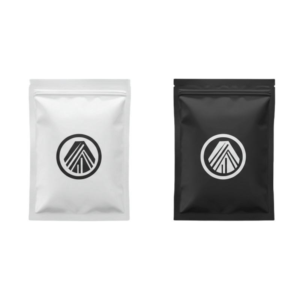
Custom 3.5g glossy aluminum foil zipper bags are resealable flexible pouches specified for cannabis brands, distributors, wholesalers, private-label programs, and multi-SKU packaging projects. The defining attributes are the stated 3.5g fill reference, glossy aluminum foil appearance, and zipper closure. The 3.5g reference does not establish one universal pouch size because flower density, product dimensions, headspace, and filling method affect the required usable volume. Confirm the actual product and final bag dimensions before approving a production specification.

Product Specifications
| Product type | Flexible zipper bag or pouch |
|---|---|
| Reference fill | 3.5g; final size should be confirmed against the actual product |
| Visible finish | Glossy |
| Stated material | Aluminum foil |
| Closure | Zipper; confirm whether a separate heat seal is required |
| Customization | Custom specification and printing can be discussed; artwork and print limits require confirmation |
| Intended B2B use | Cannabis product packaging and multi-SKU brand programs |
| Dimensions | Not stated; confirm finished size, seal area, opening position, and usable volume |
Barrier Structure and Product Protection
Aluminum foil can form part of a high-barrier flexible packaging structure, but the visible glossy appearance alone does not define the complete laminate. The selected foil gauge, sealant layer, adhesive system, ink coverage, and finished seal all influence practical performance. Ask for the complete material structure rather than evaluating the bag by appearance only.
For cannabis flower, a suitable barrier structure may help limit exposure to light, moisture, oxygen, and aroma transfer when the pouch is properly sealed. A well-designed structure can also contribute to stiffness and puncture resistance during filling and distribution. These outcomes depend on the complete laminate, seal geometry, product loading, and handling conditions; they should not be treated as permanent or absolute performance guarantees. Confirm any required oxygen transmission, moisture transmission, aroma containment, or puncture data through the supplier’s specification process.
Foil generally improves light protection compared with a transparent structure, which can support a protected presentation for light-sensitive contents. The trade-off is reduced product visibility. If your brand needs consumers or inspectors to see the contents, a window or alternative structure may be considered, but that can change light protection, barrier behavior, print appearance, and sealing requirements.
Fill Weight, Headspace, and Pouch Fit
A nominal 3.5g fill is a packaging reference, not a guaranteed volume. Two flower lots with the same mass can occupy different spaces because density, trim, moisture condition, particle size, and compression vary. For pre-portioned products or other cannabis formats, the product’s actual length, width, height, and movement inside the pouch matter more than weight alone.
Provide a representative production sample or accurate product measurements for sizing. The supplier should confirm internal dimensions, usable fill area, top seal allowance, zipper position, and headspace. Excessive headspace can make a pouch look underfilled and allow more product movement, while insufficient headspace can interfere with closure, sealing, or filling speed. If automated equipment will be used, also confirm the filling method, machine tolerances, pouch presentation, and required opening behavior.
Zipper, Heat Seal, and Opening Decisions
The stated zipper provides a resealable opening for repeated access, subject to correct closure and handling. A standard zipper should not be described as a tested child-resistant closure. If the destination market or product category requires child-resistant packaging, request a separately specified and tested closure system and confirm the applicable requirements before artwork or production approval.
A zipper and a heat seal serve different purposes. The zipper supports resealability after opening, while an optional top heat seal may provide tamper evidence or an initial sealed presentation. If a heat seal is required, confirm the sealant layer, seal width, temperature range, dwell time, pressure, and whether the finished bag is compatible with your filling line. A tear notch can make opening easier, but its location must not compromise the zipper, seal area, or artwork. These features should be approved in a physical sample or production-intent mock-up.
Custom Printing, Glossy Finish, and SKU Control
Custom printing can support brand identity, strain or product naming, regulatory panels, batch information, and private-label presentation. The glossy finish can create a reflective appearance, but it may also affect color perception, glare, barcode scanning, and the readability of small text. Request a dieline showing the print area, zipper position, tear notch, seals, folds, and any areas that cannot receive critical artwork.
For a multi-SKU program, standardize the base pouch dimensions and key material specifications where possible, then control variable artwork by SKU. Confirm the number of artwork versions, color references, barcode requirements, lot or date coding area, and whether each version needs a separate approval sample. Consistency across strains or product variants is usually more valuable than adding artwork to every available surface. Keep mandatory information away from seals, gussets, folds, and the zipper track so it remains legible after filling.
Market and Compliance Review
Destination-market requirements can affect the closure, warning space, label content, child-resistance expectations, recycling statements, testing, and language requirements. The aluminum foil structure and glossy finish do not by themselves establish regulatory compliance, food-contact status, child resistance, or recyclability. Your compliance team, testing provider, and packaging supplier should review the final structure and printed content for the target jurisdiction.
Before approving a specification, identify whether the bag will hold flower, pre-rolls, edibles, or another product. Edibles may require additional consideration for moisture, grease, food-contact requirements, serving information, and resealability. Pre-rolls may require internal length, diameter, movement, and crush-risk checks. For flower, prioritize density, aroma containment, headspace, closure behavior, and strain-specific artwork.
RFQ Information for Wholesale and OEM Projects
To obtain a useful quotation for these custom printed 3.5g cannabis bags, provide the actual contents, target fill weight, product dimensions or sample, desired finished pouch dimensions, estimated quantity, number of artwork versions, material or barrier preference, zipper and heat-seal requirements, glossy finish expectations, filling method, and destination market. Include any requirements for child-resistant packaging, tamper evidence, warning panels, testing, coding, or other compliance review.
Ask the supplier to confirm the complete laminate, thickness or gauge, seal construction, print process, color limitations, zipper position, tear-notch configuration, dimensional tolerances, packaging method, and sample approval process. These details allow brands, importers, wholesalers, and private-label buyers to compare technically equivalent quotations instead of comparing only the printed appearance or nominal 3.5g label.
Frequently Asked Questions
Are these bags sized to hold exactly 3.5g of cannabis flower?
The stated 3.5g reference does not establish one universal size. Flower density, product dimensions, headspace, and filling method affect the required usable volume, so confirm the final dimensions with a representative product sample or accurate measurements.
Does the aluminum foil make the bag completely smell proof?
No absolute aroma claim should be made from the product name alone. The complete laminate, zipper, heat seal, and handling process determine practical aroma containment. The selected structure may help contain aroma when properly sealed, subject to final specification and testing.
Is the zipper child resistant?
The product is described as having a zipper, but an ordinary resealable zipper is not the same as a tested child-resistant closure. Confirm any child-resistant requirement separately for the destination market and product category.
Can the glossy bags be custom printed for several cannabis strains?
Custom printing and multi-SKU artwork can be discussed. Confirm the printable area, dieline, color requirements, barcode placement, variable information, number of artwork versions, and approval process before production.
What should be included in a wholesale RFQ?
Include the contents, fill weight or product dimensions, desired pouch dimensions, quantity, artwork versions, material or barrier needs, closure, finish, filling method, destination market, and compliance requirements. A physical product sample can improve sizing decisions.
Request a Product-Specific RFQ
Send your contents, 3.5g fill target or actual product dimensions, desired pouch size, quantity, artwork versions, laminate or barrier preference, zipper and heat-seal needs, glossy finish requirements, filling method, destination market, and compliance needs. These inputs allow a packaging specialist to confirm fit, structure, artwork area, and the next sample or quotation step for your cannabis packaging program.

Reviews
There are no reviews yet.