
Adjustable-Length Embossed Vacuum Sealer Rolls
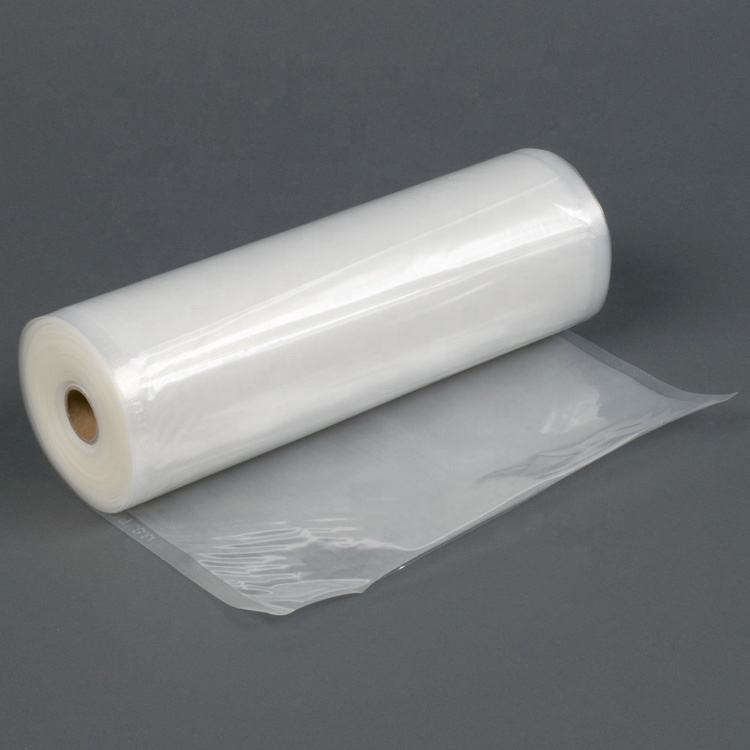
Embossed vacuum sealer rolls are flexible packaging rolls that buyers cut to the required bag length before sealing and vacuum packing. Their adjustable-length format helps cannabis brands, processors, distributors, private-label programs and multi-SKU buyers create packs for products with different dimensions while limiting the need to stock many pre-cut bag lengths. The embossed surface provides channels intended to support air extraction in a compatible vacuum-sealing system.
Product Specifications
| Specification | Product Detail |
|---|---|
| Packaging format | Continuous vacuum sealer roll |
| Defining features | Adjustable bag length and embossed surface |
| Bag preparation | Cut the roll to length, seal one end, fill, extract air and complete the final seal using compatible equipment |
| Roll width and length | Must be confirmed for the selected specification and sealing machine |
| Film structure | Flexible multilayer structure to be confirmed according to barrier, puncture resistance and sealing requirements |
| Barrier performance | Depends on the complete film structure, thickness, seal integrity and storage conditions |
| Printing | May be configured for custom printing, subject to film, artwork, registration and production requirements |
| Intended contents | Vacuum-packed products; suitability for cannabis flower, edibles or other contents requires application review |
| Child-resistant status | Not established by the roll format; any child-resistant requirement must be specified and independently supported |
How the Adjustable Roll Format Works
Unlike a pre-made pouch with a fixed height, a continuous roll allows an operator to choose the pack length during conversion. The roll normally provides a fixed web or bag width, while the cut position controls length. Buyers should account for the product dimensions, required headspace, end-seal area and the portion consumed by the vacuum machine during processing.
These cut-to-size vacuum sealing rolls can simplify purchasing when a business packs several product lengths. They do not, however, create unlimited sizing flexibility: the selected roll width must still fit the widest product and remain compatible with the machine’s sealing bar. Using an excessively wide roll can increase material use and leave unnecessary empty space.
Embossing and Vacuum-Sealer Compatibility
The embossed texture creates air channels that help an external suction machine remove air before the final seal is made. Channel geometry, film stiffness, roll width, surface orientation and seal-layer behavior can affect processing. An embossed roll should not be assumed to run on every vacuum sealer simply because it fits within the sealing bar.
For an RFQ, identify the equipment model or provide its maximum roll width, seal-bar length and sealing method. Production trials may also be appropriate where sealing temperature, dwell time or pressure must be matched to the selected film. The embossing itself does not establish oxygen, moisture or aroma barrier values.
Film Structure, Barrier and Seal Integrity
An embossed vacuum bag roll material may use a configurable multilayer film, but the exact polymers, layer arrangement and thickness must be confirmed. Different layers may contribute puncture resistance, stiffness, oxygen control, moisture control and heat sealability. Performance comes from the whole structure and the completed seals rather than from one visible surface feature.
For cannabis applications, an appropriate barrier can help contain aroma and reduce exposure to external moisture or oxygen when the pack is properly sealed. No roll should be described as permanently smell proof without a defined structure and relevant test data. Sharp stems, hard edible inclusions or irregular product edges can also challenge the film, making puncture resistance and pack handling important specification topics.
Cannabis Product Fit and a Key Trade-Off
Vacuum packaging can reduce pack volume and internal air, but stronger vacuum is not automatically better for every cannabis product. Applied pressure may compact delicate flower, disturb trichomes or change presentation. Buyers packing whole flower should compare the desired air removal level with the need to preserve structure, appearance and usable headspace.
For edibles, the review should instead consider grease, moisture, product edges, serving information and applicable food-contact requirements. Pre-roll buyers must evaluate actual pre-roll length and diameter, movement inside the pack and potential crush risk. Product weight alone does not establish the correct roll width or cut length because density and physical dimensions vary.
Custom Printing and Multi-SKU Programs
Custom printed vacuum sealer rolls may be configured when the chosen substrate and converting process support the requested graphics. Artwork planning should account for the repeat length, cut position, end seals, variable bag length and any area affected by embossing. Buyers should confirm whether consistent artwork placement is required or whether random registration is acceptable for their filling process.
Private-label vacuum packaging rolls can support strain families, dosage variants or distributor programs, but each artwork version should be identified during quotation. A shared base design may improve visual consistency across SKUs, while separate versions can provide clearer product identification. Printing feasibility, color targets, finish and version allocation remain subject to final technical review.
Compliance and Closure Distinctions
A heat-sealed vacuum pack is tamper-evident only when the seal design and pack presentation make opening visible; that characteristic should not be assumed without evaluation. It is also different from a resealable zipper and from a tested child-resistant closure. These rolls are not automatically resealable or child-resistant.
Cannabis labeling, warning, opacity, child-resistance and food-contact rules vary by destination market and product category. Buyers must state the sales jurisdiction and required packaging functions before approving the film and artwork. Space for regulatory text, batch data or variable coding should be included in the dieline or print layout where applicable.
Buyer Questions
How is the finished bag length determined?
The buyer cuts the continuous roll at the required position, allowing for product length, headspace and both end-seal areas. The roll width remains dependent on the selected specification.
Will these rolls work with every vacuum sealer?
No. Compatibility depends on roll width, embossed channel design, film structure, seal-bar dimensions and the machine’s heat, pressure and vacuum settings.
Are embossed rolls automatically high-barrier or smell proof?
No. Embossing supports air extraction but does not define barrier performance. Aroma, oxygen and moisture control depend on the complete laminate, thickness and finished seal integrity.
Can the rolls be used for cannabis flower?
They can be evaluated for cannabis flower, but the film, contact requirements and vacuum level must suit the application. Excessive vacuum may compress flower or affect presentation.
Can adjustable-length rolls be custom printed?
Custom printing may be possible subject to the film, artwork repeat, print registration, embossed area, conversion method and final production specification.
Does a sealed vacuum bag qualify as child-resistant?
Not automatically. A standard heat-sealed vacuum bag is distinct from a tested child-resistant packaging system, so destination-market requirements must be reviewed separately.
Request a B2B Quotation
To request pricing from a wholesale vacuum sealer roll supplier, provide the packaged contents, actual product dimensions, target fill weight, required roll width and length, estimated quantity, number of artwork versions, preferred barrier functions, printing and finish requirements, vacuum-sealer model or sealing method, destination market and any applicable contact, labeling or child-resistance needs. These details allow the film structure, embossing, dimensions and conversion requirements to be reviewed before a final specification is issued.

Reviews
There are no reviews yet.