
Nylon Vacuum Packaging Bags for Cannabis and B2B Product Packaging
Nylon vacuum packaging bags are flexible bags intended for products that may be packed with air removed before sealing. For cannabis brands, distributors, wholesalers, private-label programs, and multi-SKU buyers, the defining attribute is the nylon-based vacuum packaging format. The final suitability for flower, concentrates, edibles, or another product depends on the complete bag structure, dimensions, closure method, sealing process, and destination-market requirements.
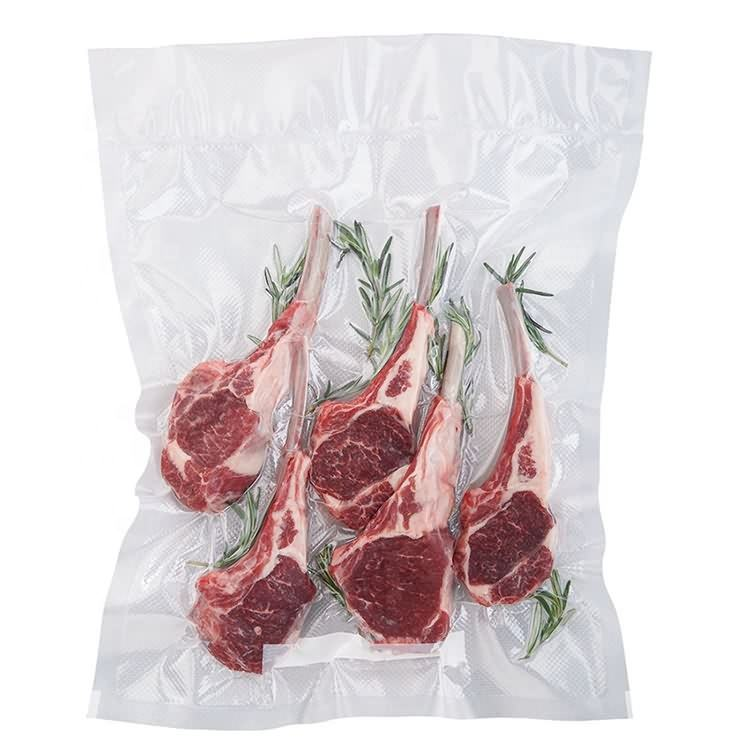
Product Specifications
| Product type | Nylon vacuum packaging bags |
|---|---|
| Named material | Nylon; the complete laminate or barrier structure requires confirmation |
| Primary function | Vacuum-oriented packaging format for air removal before sealing |
| Intended B2B use | Potential use for cannabis and other packaged products, subject to product and market requirements |
| Bag dimensions | Not stated; confirm flat dimensions, usable area, seal area, and required headspace |
| Closure and seal | Confirm whether the project requires a heat seal, zipper, tear notch, or another opening format |
| Printing and finish | Custom printing and finish options require confirmation against the selected structure and artwork |
How the Nylon Structure Affects Packaging Performance
Nylon is a useful structural layer in vacuum-oriented packaging because it can contribute toughness, puncture resistance, and flexibility. Those properties matter when the packed item has irregular edges, when bags are handled during filling, or when the package must tolerate air removal without collapsing unpredictably. However, nylon alone does not establish the complete oxygen, moisture, aroma, or light barrier. These characteristics depend on the full laminate, film gauges, sealant layer, printing construction, and final seal quality.
For cannabis applications, buyers should separate aroma containment from a material name. A properly selected and properly sealed structure may help contain aroma and protect the contents, but a nylon bag should not automatically be described as completely smell proof or as a permanent odor barrier. Ask for the proposed structure and sealing guidance if aroma, moisture, oxygen exposure, or light sensitivity is important to the product.
A high-barrier structure may improve protection but can affect flexibility, stiffness, transparency, recyclability considerations, and cost. A softer structure may be easier to handle, while a stiffer structure may present better on a packed product or provide a more controlled seal area. The correct balance depends on the product, filling line, storage conditions, and destination market.
Product Fit: Flower, Concentrates, and Edibles
For cannabis flower, confirm the actual fill weight, flower density, particle size, expected compressed volume, and required headspace rather than selecting a bag from fill weight alone. Two products with the same nominal weight can require different usable volumes. Headspace also affects how the bag forms during vacuuming and whether the product is exposed to unnecessary compression. If aroma containment is a priority, evaluate the complete barrier structure, seal geometry, and handling process together.
For concentrates or other dense products, request the product dimensions and confirm whether the selected film and sealant are appropriate for the product’s contact conditions. For edibles, discuss moisture, grease, texture, serving information, warnings, and any food-contact or destination-market requirements. These bags may be considered for different product categories, but the packaging specification must be confirmed for the actual contents.
Size, Filling, and Vacuum-Sealing Decisions
Specify the product’s actual length, width, height, diameter, or compressed footprint before approving a bag size. The required bag should provide enough usable area for filling, product placement, vacuum removal, and a reliable seal without placing contents across the seal zone. Over-sizing can leave excess film and make presentation less controlled; under-sizing can increase fill difficulty, product damage risk, or seal contamination.
Also confirm whether the bag is flat, gusseted, shaped, or another format. A flat bag may suit products with a consistent footprint, while a gusseted format can provide additional expansion and standing volume if that configuration is available for the selected structure. Filling equipment, vacuum chamber dimensions, sealing temperature, dwell time, and seal width should be reviewed during sampling. A vacuum process does not replace the need for a clean, consistent final heat seal.
Closure, Opening, and Consumer Handling
Vacuum packaging and resealability are separate decisions. A heat-sealed vacuum bag can provide a tamper-evident initial closure when properly specified, but it may require cutting or tearing to open. If repeated access is needed, ask whether a zipper or other resealable feature can be integrated without compromising the intended vacuum and seal process.
A standard zipper should not be presented as a tested child-resistant closure. Cannabis brands selling into markets with child-resistant packaging rules must confirm whether the complete package, closure, labeling, and use configuration meet the applicable requirement. A tear notch may improve opening convenience, but it changes the opening behavior and should be reviewed alongside tamper evidence and resealability.
Custom Printing and Multi-SKU Procurement
Custom printed nylon vacuum bags may support brand identity, strain or flavor differentiation, compliance panels, batch information, and private-label presentation. Before artwork approval, confirm the printable surface, color requirements, finish, reverse or surface printing method, safe text area, seal exclusion zone, and any clear or unprinted areas. Matte, gloss, metallic, kraft-style, and transparent appearances describe visual results; they do not by themselves prove a specific barrier structure.
For multi-SKU cannabis programs, standardize the physical bag format where possible while controlling the artwork versions separately. Review the dieline, barcode space, warning copy, lot or batch fields, and product-identification hierarchy across every version. Consistent dimensions can simplify filling and storage, but different product densities may still require different usable volumes or headspace. Confirm whether the intended printing process supports the number of SKUs, artwork revisions, and color expectations in the RFQ.
Destination-Market and RFQ Review
Compliance requirements vary by destination market and product category. Confirm required warnings, ingredient or cannabinoid information, child-resistance expectations, tamper evidence, food-contact considerations, recycling statements, labeling space, and any testing or documentation requested by the buyer or regulator. The bag material name alone does not establish approval, certification, or compliance.
For an accurate quotation, provide the contents, fill weight or actual product dimensions, desired bag dimensions, estimated quantity, number of artwork versions, material or barrier target, closure preference, finish, filling method, vacuum equipment, destination market, and compliance needs. If the product is sensitive to aroma, moisture, oxygen, grease, or light, identify the priority so the proposed structure can be reviewed against the use case.
Frequently Asked Questions
Are nylon vacuum packaging bags suitable for cannabis flower?
They may be suitable for cannabis flower when the dimensions, complete laminate, sealant, vacuum process, aroma requirements, and applicable market rules are correctly specified. Confirm density, fill weight, headspace, and seal performance before production.
Does nylon alone make the bag smell proof?
No. Nylon is one named material, not a complete performance specification. Aroma containment depends on the complete laminate, seals, opening system, and handling. A suitable structure may help contain aroma when properly sealed, but an absolute smell-proof claim requires appropriate evidence.
Can these bags be custom printed?
Custom printing can be considered subject to the selected structure, printable surface, artwork, finish, and production specification. Confirm the dieline, seal exclusion area, color requirements, and number of artwork versions before approval.
Can a zipper be added to a vacuum bag?
A zipper or other resealable feature may be possible depending on the bag construction and intended vacuum process. It should be evaluated separately from heat sealing, and a standard zipper must not be treated as a tested child-resistant closure.
What information should a buyer send for an RFQ?
Send the contents, fill weight or actual product dimensions, desired bag dimensions, quantity, artwork versions, material or barrier preference, closure, finish, filling method, destination market, and compliance needs. These details allow the bag format and structure to be reviewed for the intended application.
Request a Nylon Vacuum Bag Specification
For a B2B RFQ, share the product contents, fill weight or dimensions, desired pouch size, quantity, artwork versions, material or barrier target, closure, finish, filling method, destination market, and compliance requirements. The proposed nylon vacuum packaging bags can then be reviewed against filling, sealing, protection, presentation, and multi-SKU needs before specification approval.
Reviews
There are no reviews yet.