
Custom Printed Moisture-Proof Stand-Up Spout Pouches
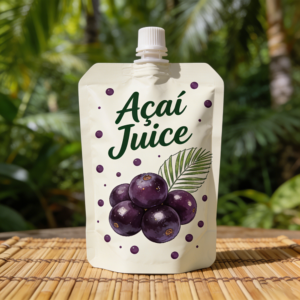
Custom printed moisture-proof stand-up spout pouches are flexible packages that combine a stable standing format, a dispensing spout, and brand-specific printing. They are intended for compatible flowable products and are relevant to cannabis brands, private-label programs, distributors, wholesalers, and multi-SKU buyers. For cannabis applications, the contents may include suitable liquids, syrups, gels, or other pourable formulations, but product-to-package compatibility must be confirmed before production.
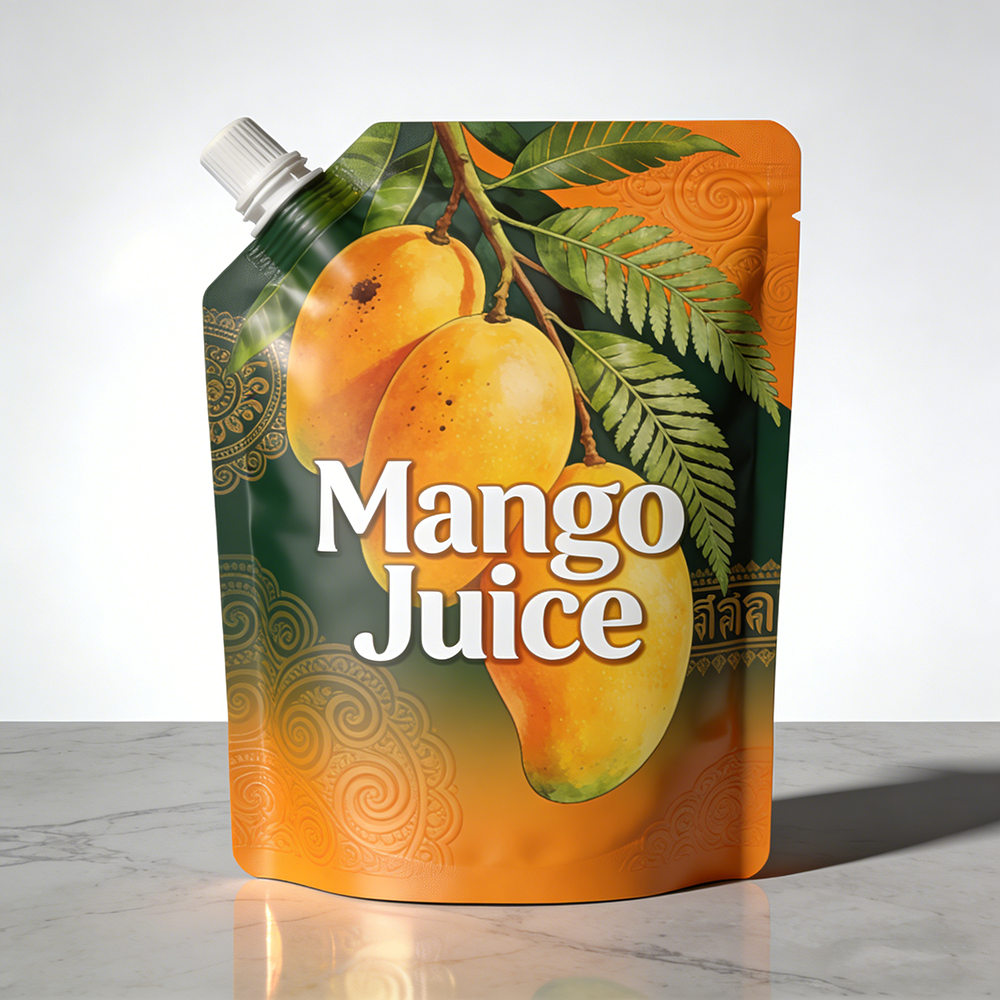
Product Specifications
| Specification | Product Detail |
|---|---|
| Packaging format | Stand-up flexible pouch with dispensing spout |
| Printing | Custom printed; artwork method, color requirements, and coverage must be specified |
| Barrier function | Moisture-proof format; target barrier performance and test method require buyer confirmation |
| Material | Flexible laminate; individual films, sealant layer, and total structure are subject to final specification |
| Intended contents | Compatible flowable products, subject to formulation, migration, and storage compatibility review |
| Spout | Spout position, diameter, fitment material, cap style, and tamper features must be confirmed |
| Size and capacity | Made to the approved dimensions and usable fill volume; no universal capacity is implied |
| Base | Stand-up configuration; base geometry and filling behavior depend on the approved pouch design |
| Finish | Gloss, matte, metallic-effect, or other finishes may be configurable, subject to substrate and print process |
| Compliance | Destination-market, cannabis, product-contact, labeling, and closure requirements are buyer-specific |
Match the Pouch to the Contents
Custom printed cannabis spout pouches should be selected from the physical and chemical properties of the actual formulation, not from nominal fill weight alone. Buyers should disclose viscosity, oil or alcohol content, acidity, particulates, filling temperature, and expected storage conditions. These factors can affect the sealant layer, spout flow, fitment bond, odor retention, panel distortion, and dispensing performance.
A thin liquid may need a different spout diameter and sealing setup than a dense syrup or gel. Suspended particles can obstruct a narrow opening, while a very large spout can increase material use and reduce printable panel space. Product trials using the final formulation are therefore more useful than relying only on an estimated pouch capacity.
Laminate, Moisture Barrier, and Seal Integrity
Moisture barrier laminated spout bags can be configured with multiple film layers, with each layer serving a different purpose. Depending on the selected structure, the laminate may provide printability, stiffness, puncture resistance, oxygen or aroma protection, light control, and an inner heat-seal surface. Barrier performance comes from the complete laminate, pouch seals, and spout-to-pouch connection rather than from appearance alone.
The term moisture-proof identifies the requested product function but does not establish a universal MVTR, shelf life, or test result. Buyers should define whether the priority is limiting external moisture ingress, preventing loss of water from the contents, or both. If aroma containment is important, specify the formulation, storage duration, and odor-control objective. A suitable structure can help contain aroma when properly sealed, but it should not be treated as a permanent smell-proof guarantee.
An opaque or metallic barrier layer may improve light protection, while a clear window improves product visibility but reduces covered light-barrier area. Higher-barrier laminates can also add cost, thickness, or recycling complexity. This is a practical trade-off to resolve during material selection.
Spout Position, Filling, and Headspace
The stand-up shape supports shelf display and organized case packing, but usable volume depends on pouch width, height, base expansion, spout placement, seal geometry, and the product’s density. Adequate headspace is needed to help avoid product contamination in the seal and fitment areas. Overfilling can distort the base, weaken presentation, or interfere with closure.
Confirm whether the pouch will be filled through the spout or through an open section that is sealed after filling. The filling method affects the pouch construction, production line, cap application, and quality-control procedure. Spout diameter must also match the product’s viscosity and any dispensing equipment. A screw cap, tamper-evident component, or other feature may be configurable, but each must be identified in the RFQ.
A standard cap or resealable spout is not automatically child-resistant. If regulated cannabis packaging requires child resistance, the buyer must specify the applicable market and request a closure system supported by the necessary testing and documentation for that use.
Custom Printing and Multi-SKU Control
Private label stand-up spout pouch packaging can carry brand graphics, product names, flavor or strain distinctions, instructions, warnings, batch areas, and scannable codes where the approved dieline allows. The printing process should be selected according to order profile, artwork complexity, color expectations, substrate, finish, and the number of versions rather than assumed from the product name.
For multi-SKU programs, consistent pouch dimensions, spout placement, common branding zones, and controlled color references can simplify filling and brand presentation. Variable product names or colorways still need separate artwork review. Metallic effects, matte surfaces, and transparent areas can change how colors reproduce, so buyers should evaluate proofs and approved samples against the intended substrate.
Destination-Market and Procurement Checks
Wholesale cannabis liquid packaging pouches may need room for ingredient information, net contents, warnings, symbols, serving directions, traceability data, or jurisdiction-specific statements. Requirements differ by destination and product category. The buyer is responsible for identifying applicable cannabis, packaging, product-contact, labeling, accessibility, and child-resistant rules before approving the specification.
Request documentation relevant to the selected materials and intended contents rather than assuming that one pouch configuration suits every market. A spout pouch manufacturer for multi-SKU brands will also need final artwork, dimensional tolerances, closure details, filling conditions, and acceptance criteria to evaluate manufacturability accurately.
Frequently Asked Questions
What products can these spout pouches hold?
They are intended for compatible flowable products such as selected liquids, syrups, or gels. Suitability depends on viscosity, ingredients, filling temperature, storage conditions, and the final laminate and spout system.
Does moisture-proof mean the pouch has a guaranteed shelf life?
No. Shelf life depends on the formulation, laminate, seals, fitment bond, filling quality, storage, and distribution conditions. Buyers should define required barrier targets and validate the filled package.
Is the spout closure child-resistant?
Not necessarily. An ordinary cap or resealable spout is distinct from a tested child-resistant closure. Specify the destination market and required closure protocol when requesting a quotation.
How is the correct pouch capacity determined?
Capacity is determined from actual product density, target fill volume, headspace, pouch geometry, spout location, and filling method. A stated weight alone does not establish one universal pouch size.
Can different cannabis SKUs use the same pouch format?
They may share dimensions, laminate, spout, and common artwork elements when the formulations and filling requirements are compatible. Each artwork version and product compatibility requirement should still be reviewed separately.
Request a Product-Specific B2B Quotation
For an accurate RFQ, provide the intended contents, formulation characteristics, target fill weight or volume, desired pouch dimensions, order quantity, number of artwork versions, barrier priorities, spout size and position, closure requirements, finish, filling method, storage conditions, destination market, and applicable compliance needs. Include final artwork or a dieline request and identify whether compatibility samples or filled-package testing will be required before production approval.
Reviews
There are no reviews yet.