
Custom Food-Grade Stand-Up Spout Pouches for B2B Packaging
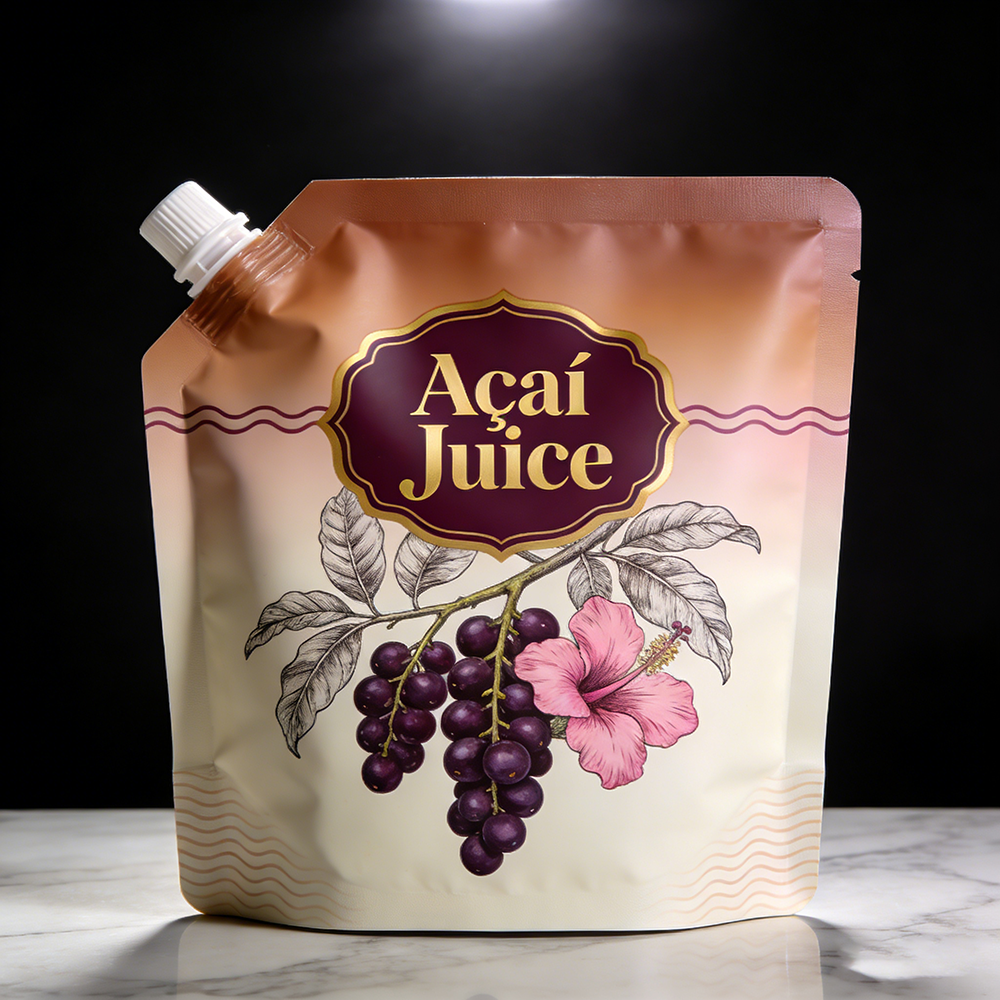
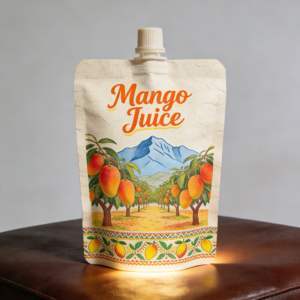
Custom food-grade stand-up spout pouches are flexible, gusseted packages designed to stand for display and dispense compatible liquid or semi-liquid contents through a fitted spout. They can be specified for cannabis-infused edible liquids, syrups, sauces, drink concentrates and other food products, subject to product compatibility and destination-market requirements. This format is relevant to cannabis brands, food manufacturers, distributors, private-label buyers and multi-SKU purchasers seeking a configurable alternative to rigid containers.
Product Specifications
| Product type | Custom food-grade stand-up spout pouch |
|---|---|
| Intended contents | Compatible liquid or semi-liquid food products; the exact formulation must be reviewed |
| Pouch format | Stand-up flexible pouch with a gusseted base and dispensing spout |
| Material structure | Flexible food-contact laminate to be selected according to contents, barrier needs and processing conditions |
| Barrier performance | Depends on the complete laminate, spout fitment and sealing system; target requirements must be confirmed |
| Spout and closure | Position, opening size and closure configuration are subject to the final specification |
| Dimensions and capacity | Custom; confirm desired pouch dimensions, fill volume, product density and headspace |
| Printing and finish | Custom graphics and finish may be configured within the selected substrate and production process |
| Compliance documentation | Required food-contact and destination-market documentation must be identified during the RFQ |
What Products Fit This Spouted Pouch Format?
The dispensing format can suit pourable cannabis edibles and conventional food products that are compatible with the selected film, seals and spout components. Potential applications include infused syrups, sauces, beverage concentrates and similar products. A packaging decision cannot be based on nominal fill weight alone: viscosity, density, particulates, oil content, acidity, serving method and filling temperature can all affect pouch and spout selection.
For cannabis edible liquid packaging pouches, the available label area must also accommodate applicable ingredient, allergen, potency, serving, warning and traceability information. Required statements vary by product and destination market, so the final artwork and package configuration should be reviewed by the buyer’s qualified compliance team.
Laminate, Barrier and Seal Performance
Food-grade laminated spout pouches may use multilayer structures selected for stiffness, puncture resistance, printability, heat sealability and protection from moisture, oxygen or light. The word “food-grade” does not by itself identify a particular laminate or establish approval for every formulation and market. Buyers should request documentation that is relevant to the intended food contact, temperature conditions and jurisdiction.
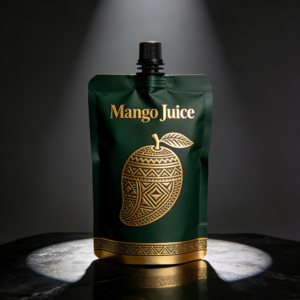
Barrier performance comes from the complete package rather than its surface appearance. A metallic or opaque layer may improve light protection depending on the structure, while a clear area provides product visibility but reduces light shielding in that area. Aroma retention and odor resistance also depend on the laminate, seal integrity and spout assembly. The pouch may help contain aroma when properly filled and sealed, but it should not be represented as permanently or completely smell proof without applicable test data.
Capacity, Headspace and Stand-Up Stability
A stated liquid weight or volume does not establish one universal pouch size. Product density connects weight to volume, while viscosity and particulates influence how easily the product moves through the spout. The RFQ should identify the actual fill volume, target headspace and whether the product is filled hot, warm or at ambient temperature.
The gusset must open sufficiently during filling and support the finished pack on the intended shelf or display surface. A wider gusset can improve standing stability and usable volume, but it can also increase the pouch footprint. Excessive empty space may weaken presentation and dispensing control, while insufficient headspace can interfere with filling, sealing or closure cleanliness. Physical samples or fill trials are advisable before final production specifications are fixed.
Spout Position, Opening and Filling Method
The spout opening should match product flow behavior and the intended serving pattern. A narrow opening can provide more controlled dispensing but may be unsuitable for thick formulations or products containing particulates. A larger opening can improve flow but may reduce portion control. Spout position also affects filling equipment, artwork layout, pouring direction and the consumer’s ability to empty the pouch.
The exact fitment, closure and tamper-evidence approach must be confirmed. A standard screw-type closure should not be confused with a tested child-resistant closure. Where cannabis rules require child resistance, the buyer must specify the applicable standard and obtain evidence for the complete pouch-and-closure system rather than assuming the spout format qualifies.
Custom Printing and Multi-SKU Control
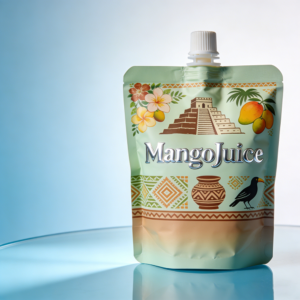
Custom printed spouted pouches can be developed with brand graphics, flavor or formulation identifiers, preparation instructions and required product information. Printable areas are influenced by the gusset, seals, spout position, registration tolerances and dieline. Important text, codes and scannable elements should remain outside seals, folds and fitment zones.
For private-label multi-SKU spout packaging, a shared pouch architecture can help maintain consistent dimensions, spout placement and shelf presentation across variants. Each artwork version still requires controlled files and verification of product name, color coding, potency or formulation details, warnings and variable data. Buyers should identify the number of artwork versions and quantities per version rather than providing only a combined order quantity.
Key Trade-Off: Flexibility Versus Filling Control
A flexible stand-up pouch can use less storage space than many rigid formats and provides a broad printable surface. The trade-off is that pouch handling depends more heavily on filling support, gusset opening, seal cleanliness and fitment alignment. Thin or highly flexible structures may improve pack collapsibility during dispensing, while stiffer structures can improve shelf presentation and handling. The correct balance depends on the contents, filling line and distribution conditions.
Frequently Asked Questions
Can these pouches be used for cannabis-infused syrups or sauces?
They can be configured for compatible cannabis-infused liquid or semi-liquid foods, but the formulation, viscosity, oil content, acidity, particulates, filling temperature and destination-market rules must be reviewed before the structure is selected.
Does food-grade mean the pouch is compliant in every market?
No. Food-contact suitability and required documentation depend on the selected materials, intended contents, use conditions and destination market. Buyers should state their documentation and regulatory requirements in the RFQ.
Are stand-up spout pouches child-resistant?
Not automatically. A standard spout or screw-type closure is not the same as a tested child-resistant system. If child resistance is required, specify the applicable standard and request evidence covering the complete package configuration.
How is the correct pouch capacity determined?
Capacity should be determined from actual fill volume, product density, viscosity, required headspace, gusset geometry and filling method. A fill weight alone is not enough to confirm pouch dimensions.
Can several flavors or cannabis SKUs use the same pouch format?
Potentially, provided the products are compatible with the same laminate, spout, dimensions and processing conditions. Each artwork version and formulation should be identified so compatibility and print controls can be reviewed.
Request a B2B Spout Pouch Quotation
To request pricing from a wholesale stand-up spout pouch supplier, provide the contents and formulation type, fill weight and actual volume, desired pouch dimensions, quantity, number of artwork versions, preferred barrier or material requirements, spout position and opening needs, closure requirements, finish, filling method and temperature, destination market, and applicable food-contact or cannabis compliance needs. These inputs allow the pouch structure, gusset, dispensing system and print specification to be evaluated without relying on unsupported assumptions.
Reviews
There are no reviews yet.