
Custom Zipper Spout Pouches for Beverage Packaging
Custom zipper spout pouches are flexible beverage packages that combine a dispensing spout with a separate zipper closure. They are intended for brands, contract packers, distributors, private-label buyers and multi-SKU beverage programs that need controlled dispensing plus broader access to the pouch. The final pouch dimensions, laminate, spout design, zipper position and filling process must be matched to the beverage and production line before an order is quoted.
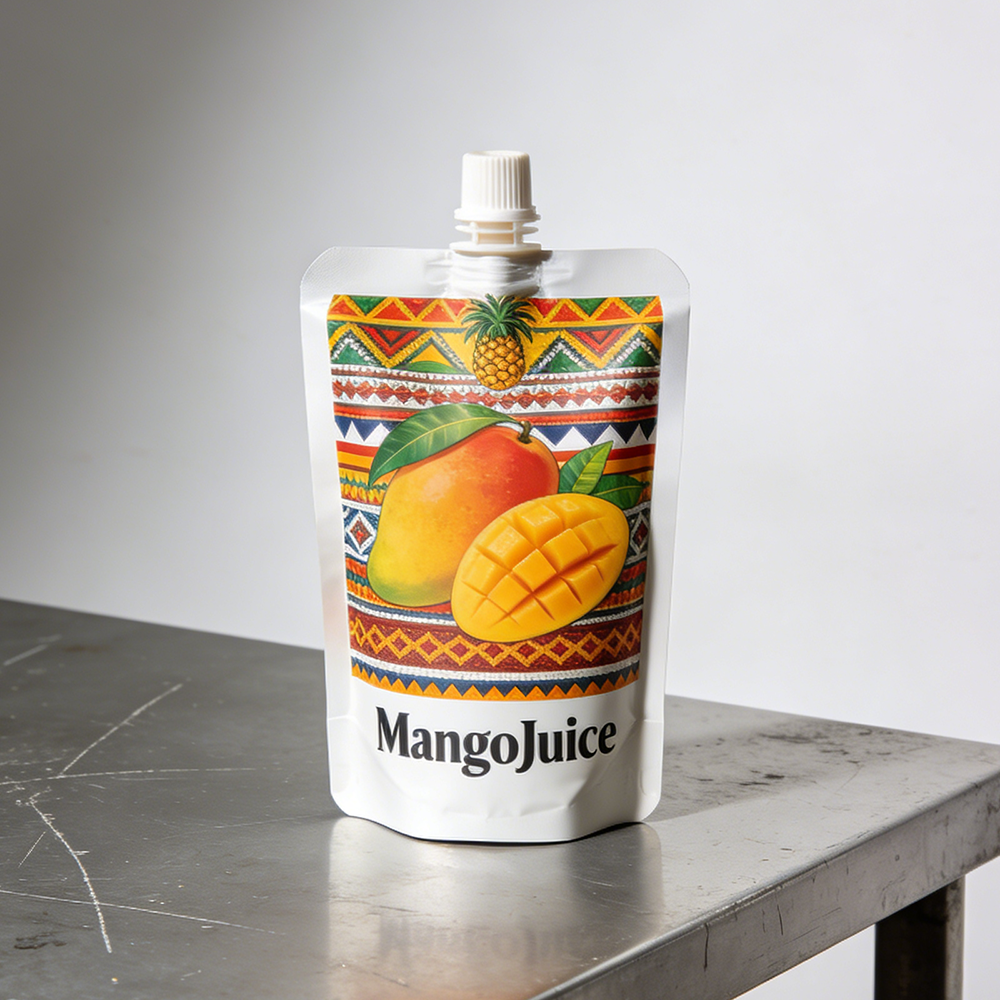
Product Specifications
| Specification | Product Detail |
|---|---|
| Product type | Custom flexible beverage pouch with zipper and dispensing spout |
| Intended contents | Beverages; formulation and ingredient compatibility require buyer confirmation |
| Closure system | Zipper plus spout; cap, fitment, opening and closure details are subject to final specification |
| Material | Flexible laminate configured according to barrier, seal and processing requirements |
| Pouch format | Shape, gusset, orientation and seal geometry must be confirmed from the final die line |
| Dimensions and capacity | Specified according to target fill volume, beverage density, headspace and filling method |
| Printing | Custom artwork; print process, color requirements and printable areas require confirmation |
| Finish | May be configured in available surface finishes, subject to substrate and printing limits |
| Applications | B2B beverage, private-label, OEM/ODM and coordinated multi-SKU packaging programs |
How the Zipper and Spout Serve Different Functions
The spout is the primary dispensing feature. Its opening diameter, fitment geometry and cap style affect pour rate, user control and compatibility with the beverage. Products containing pulp, particles or higher-viscosity ingredients may require a different opening from free-flowing drinks. These details should be evaluated using the actual formulation rather than selecting a spout from fill volume alone.
The zipper creates a second access point and can support filling, ingredient access or another use defined by the pouch design. A zipper should not automatically be treated as a liquid-tight primary closure. Its placement, surrounding seals and intended use must be confirmed. If the project requires evidence of tamper opening or child resistance, those are separate specifications; an ordinary resealable zipper or screw cap is not automatically a tested child-resistant system.
Laminate Selection and Beverage Protection
Laminated spout beverage pouches can be configured with multiple material layers because no single layer necessarily provides printability, stiffness, barrier and heat-seal performance. The complete laminate determines how the package manages oxygen, moisture, aroma, light and handling stress. The inner sealant layer must also be assessed for direct contact with the selected beverage.
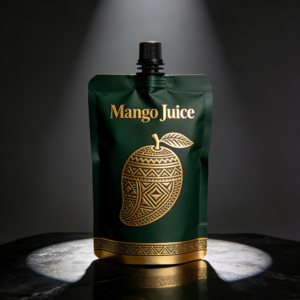
Barrier requirements vary by formulation and expected distribution conditions. An opaque or metallic-looking structure may improve light management when the underlying laminate is specified accordingly, while a clear area improves product visibility but reduces light protection. Appearance alone does not establish barrier performance. Requested oxygen or moisture transmission targets, shelf-life objectives and any testing protocol should therefore be supplied during technical review.
Processing conditions are equally important. Ambient filling, refrigerated distribution, hot filling and other thermal processes impose different demands on the film, seals, fitment and printed surface. Suitability for a specific temperature or process must be validated against the final structure; it should not be inferred from the pouch format.
Capacity, Headspace and Pouch Geometry
A stated beverage volume does not establish one universal pouch size. Usable capacity depends on pouch width and height, any bottom or side gusset, seal widths, spout location, zipper position, beverage density and required headspace. The nominal external dimensions also differ from the internal usable area.
Headspace can influence filling accuracy, pouch handling and the space available for seals. Too little headspace may interfere with filling or closure areas, while excessive headspace can create a package that looks underfilled. Buyers should provide the target fill volume or weight, product density where relevant and preferred external dimensions. Physical filling trials may be appropriate before production quantities are finalized.
Custom Printing and Multi-SKU Control
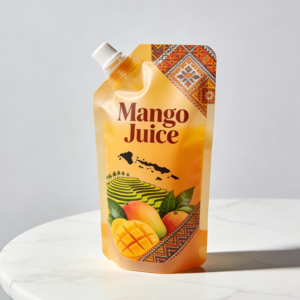
Custom printed spout pouches can carry brand graphics, flavor or variety identification, preparation information, warnings and market-specific label content. The available artwork area is shaped by the pouch perimeter seals, gussets, zipper, spout weld and any required coding zone. Artwork should be prepared on the approved die line rather than adapted from a flat label without accounting for folds and hardware.
For OEM multi-SKU beverage pouch packaging, a shared structure and common artwork architecture can improve consistency across flavors, strengths or product lines. Each version should still be checked for its own copy, color references and regulatory content. Buyers should identify the number of artwork versions and expected quantity by version, because a combined project quantity does not explain how production is divided among SKUs.
A Product-Specific Trade-Off to Evaluate
Combining a zipper and spout adds functional flexibility, but it also uses more pouch area and creates more interfaces than a spout-only design. The zipper can reduce available graphics space or constrain seal geometry, while the spout introduces a fitment seal that must remain compatible with filling and distribution. A simpler spout pouch may suit products dispensed only through the fitment. The dual-access format is more relevant when the project has a defined reason for both openings.
Cannabis Beverage and Destination-Market Review
For cannabis or hemp-derived beverage packaging, the pouch layout may need space for potency statements, ingredients, warnings, batch information or other destination-market content. Requirements vary by jurisdiction and product classification. The packaging specification should identify where the product will be sold and whether a particular child-resistant, tamper-evident or food-contact requirement applies. Compliance cannot be determined from a zipper, cap or pouch appearance alone.
Frequently Asked Questions
Is the zipper intended to prevent beverage leakage?
The zipper provides resealable access, but it should not be assumed to be the primary liquid-containment feature. The intended zipper function, seal geometry, spout system and filling orientation must be confirmed for the project.
How is the correct pouch size selected?
Size is determined from fill volume or weight, beverage density, required headspace, pouch geometry, spout and zipper placement, and filling method. External dimensions alone do not establish usable capacity.
Can these pouches be used for hot-filled beverages?
Potential suitability depends on the selected laminate, sealant, fitment, cap, printing system and actual processing temperature. Hot-fill use requires technical confirmation and validation for the final specification.
Does the zipper or spout make the pouch child-resistant?
No. An ordinary zipper or cap is not automatically child-resistant. If child resistance is required, the buyer must specify the applicable market and closure requirement for evaluation.
What information is needed for custom printing?
Provide the approved artwork or design requirements, number of SKUs, color expectations, finish preference, variable coding area and required label content. Final artwork should follow the confirmed pouch die line.
Request a B2B Quotation
For an accurate RFQ, provide the beverage type and formulation characteristics, target fill volume or weight, product density if relevant, desired pouch dimensions, quantity, number of artwork versions, preferred barrier or material requirements, spout and zipper functions, finish, filling and processing method, destination market, and any applicable food-contact, tamper-evident or child-resistant requirements. These inputs allow the pouch structure, fitment, seal layout and custom printing scope to be reviewed as one packaging system.

Reviews
There are no reviews yet.