
Custom Soft-Plastic Fishing Lure Packaging Bags for B2B Programs
Custom soft-plastic fishing lure packaging bags are flexible retail and storage packages configured for soft baits such as worms, grubs, swimbaits, creature baits, and similar artificial lures. They are intended for fishing tackle brands, contract packers, distributors, wholesalers, private-label buyers, and multi-SKU programs that need packaging matched to the lure dimensions, formulation, presentation, and filling process. The final film structure, pouch format, closure, and print specification must be confirmed before production.
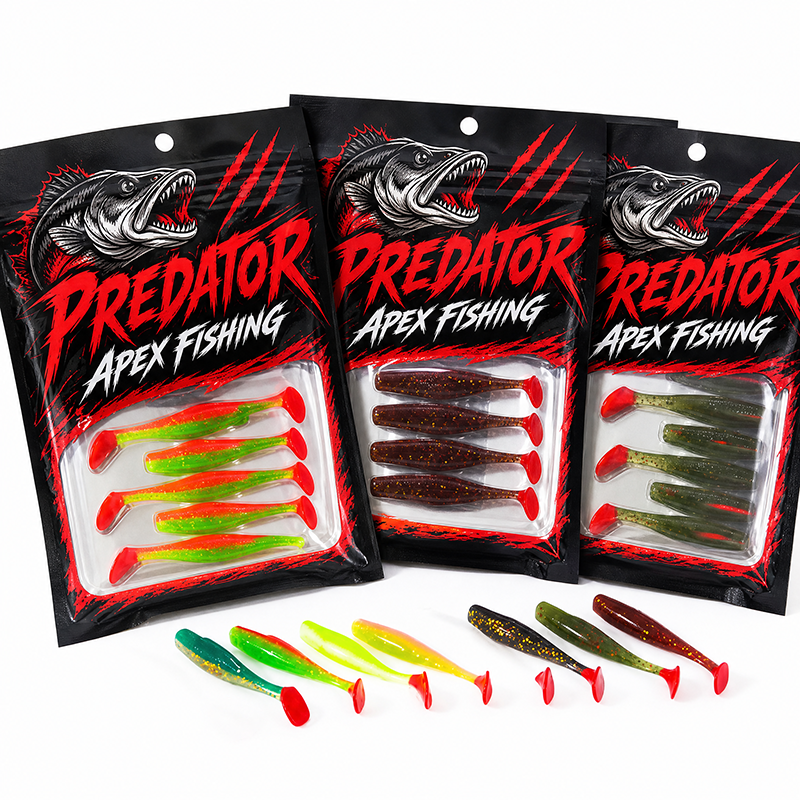
Product Specifications
| Specification | Product Information |
|---|---|
| Product type | Custom packaging bags for soft-plastic fishing lures |
| Intended contents | Soft artificial fishing baits; buyer must identify the exact lure type and formulation |
| Bag or pouch style | To be selected according to display, filling, opening, and storage requirements |
| Material structure | Flexible film or laminate structure subject to compatibility and barrier requirements |
| Dimensions and capacity | Custom; confirm lure length, width, thickness, count, orientation, and desired headspace |
| Closure | May be configured with a zipper, heat-sealed opening, or another suitable closure |
| Printing | Custom printing may be configured from approved artwork and the final die line |
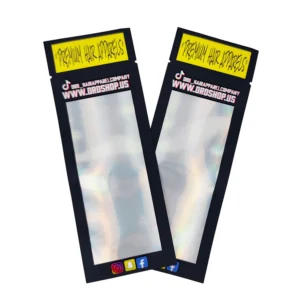
| Finish and visibility | Clear, printed, matte, gloss, metallic, or other effects may be considered subject to substrate and print limitations |
| Compliance | Buyer must identify destination-market labeling, material, and product-contact requirements |
Match the Package to the Lure, Not Only the Labeled Count
Soft lures with the same piece count can require different package dimensions. A long worm, bulky frog, paddle-tail swimbait, and compact grub occupy different usable volumes and may settle differently during shipping or display. Buyers should specify actual lure length, maximum body width, thickness, tail shape, unit count, and preferred orientation rather than requesting a bag from count alone.
Headspace also affects presentation. Too little space can bend tails, crowd appendages, interfere with the seal area, or make filling inefficient. Excessive space can allow unwanted movement and create an oversized retail presentation. If lures are packed with oil, scent, salt, or another additive, that detail should be disclosed because it can influence material compatibility, seal cleanliness, and leakage-control decisions.
Film Structure, Compatibility, and Barrier Decisions
Flexible laminate fishing lure pouches can be configured from different film layers, but appearance alone does not identify performance. The complete structure determines stiffness, puncture resistance, heat sealability, moisture resistance, oxygen resistance, aroma retention, and protection from light. The selected package should be evaluated against the lure formulation because soft-bait oils, scents, colorants, salts, and plasticizing components may interact differently with sealant and barrier layers.
A higher-barrier or opaque laminate may help retain scented formulations and reduce exposure to oxygen or light, depending on the structure and sealing system. A clear bag or window improves product visibility but provides less light protection than an opaque construction. This is a practical trade-off: tackle buyers can inspect lure color and shape immediately, while printed or opaque areas provide more space for branding and may offer greater light shielding.
Thicker or stiffer structures may improve shelf presentation and resistance to sharp hook-like jig components if those components are packed with the bait. However, added stiffness can reduce flexibility, alter opening behavior, and affect packing efficiency. Any hooks, jig heads, or rigid accessories must be identified during the RFQ because a structure suitable for unrigged soft bait may not provide sufficient puncture resistance for a rigged lure.
Pouch Style, Filling, and Closure Choices
These soft bait storage and retail bags may be configured as flat pouches or other bag formats according to the final specification. Flat formats can provide an efficient hanging or boxed presentation, while a gusseted configuration may provide more usable volume for bulky or higher-count packs. Gusset depth, seal geometry, opening position, and any hanging feature must be established on the die line before artwork is finalized.
A resealable zipper can support repeated opening when anglers remove only part of the contents. A heat seal above the zipper may provide stronger initial pack security and help protect the contents before first opening when the film and seal parameters are appropriate. A tear notch may make that top seal easier to open. These are separate features: a zipper does not automatically mean the package has been heat sealed, leak tested, or qualified for any regulated closure standard.
Filling method matters as well. Manual loading, semi-automatic filling, and automated equipment can require different mouth openings, seal margins, film stiffness, and dimensional tolerances. Oils or additives on the sealing surface may reduce seal quality, so the buyer should explain how the lures are dosed and loaded. Final seal settings must be established for the selected laminate and packing conditions.
Custom Printing and Multi-SKU Artwork Control
Custom printed fishing lure bags can organize brand graphics, bait style, color name, lure count, dimensions, barcode space, use instructions, warnings, and destination-market information. Available artwork area depends on the bag dimensions, seals, zipper location, hanging area, gussets, and any transparent window. Fine text, metallic effects, matte surfaces, and color matching are subject to the selected film, ink system, printing method, and approved production tolerances.
For private label multi-SKU fishing bait packaging, a shared design system can keep logos, regulatory panels, and core brand colors consistent while variable elements identify lure profile, length, count, scent, or colorway. Buyers should submit the number of artwork versions and forecast quantity by version. Combining the total quantity without showing the SKU split is not sufficient for an accurate manufacturing review.
Information to Confirm Before Quotation
- Exact lure type, formulation, scent, oil, salt, and any other additive
- Lure length, maximum width, thickness, piece count, and packed orientation
- Whether hooks, jig heads, or other rigid and sharp components are included
- Preferred finished bag dimensions, headspace, pouch style, and display method
- Required zipper, heat seal, tear notch, hanging feature, or other opening details
- Visibility, light protection, stiffness, puncture resistance, and barrier priorities
- Printing coverage, finish, window concept, artwork versions, and quantity per SKU
- Manual or automated filling method and the destination market
- Applicable labeling, product-contact, recycling, or other compliance requirements
Frequently Asked Questions
What size bag is needed for a soft-plastic fishing lure?
Bag size should be based on the lure’s actual length, maximum width, thickness, piece count, orientation, and required headspace. A labeled lure count does not establish one universal bag size.
Can these bags hold scented or oil-coated soft baits?
They may be configured for scented or oil-coated baits, but the exact formulation must be disclosed. Film compatibility, sealant selection, barrier needs, and sealing conditions should be evaluated against the packed product.
Can a clear window be added?
A clear window may be considered depending on the selected pouch structure and printing method. It improves lure visibility but reduces the light-shielding area compared with a fully opaque package.
Is a zipper sufficient to prevent leakage?
No closure should be assumed to prevent leakage without specification and evaluation. A zipper supports resealing, while an appropriate heat seal, compatible laminate, clean seal area, and validated packing conditions may be needed for initial package integrity.
Can one design be adapted across several lure SKUs?
Yes, a common design architecture may be used across multiple SKUs, with controlled changes for lure style, color, size, count, or scent. The RFQ must list every artwork version and its individual quantity.
Request a Product-Specific B2B Quote
To obtain a manufacturing review from a wholesale fishing lure packaging supplier, provide the lure formulation, actual product dimensions, unit count, desired bag dimensions, order quantity, quantity per artwork version, preferred material or barrier priorities, closure, finish, filling method, destination market, and compliance needs. Include editable artwork or a packaging concept when available. These inputs allow the bag structure, die line, print plan, and sealing approach to be assessed without relying on unsupported assumptions.
Reviews
There are no reviews yet.