
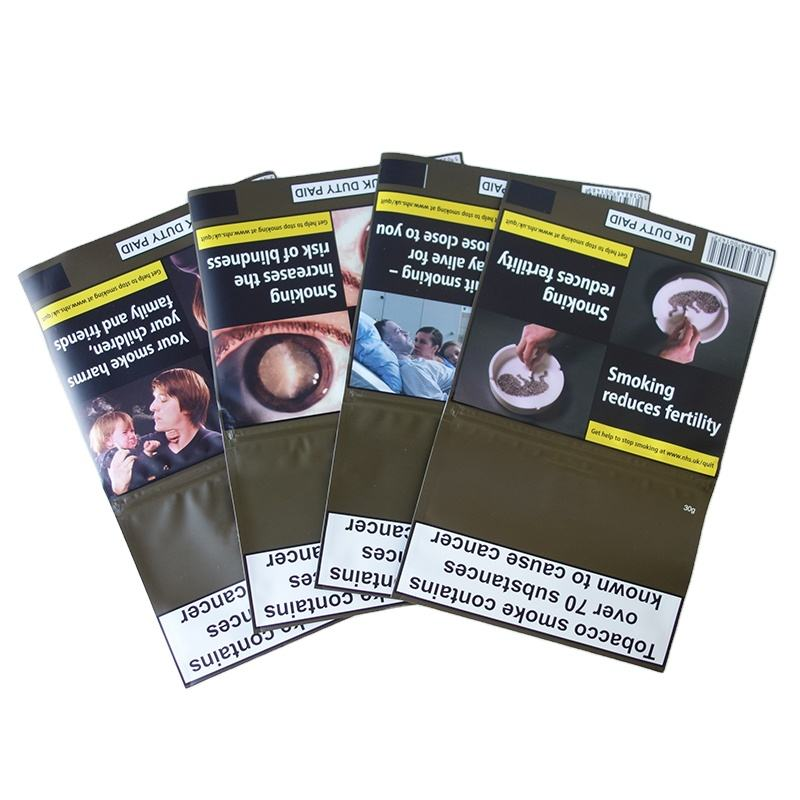
Custom 3-Side Seal Smell-Proof Mylar Tobacco Pouches
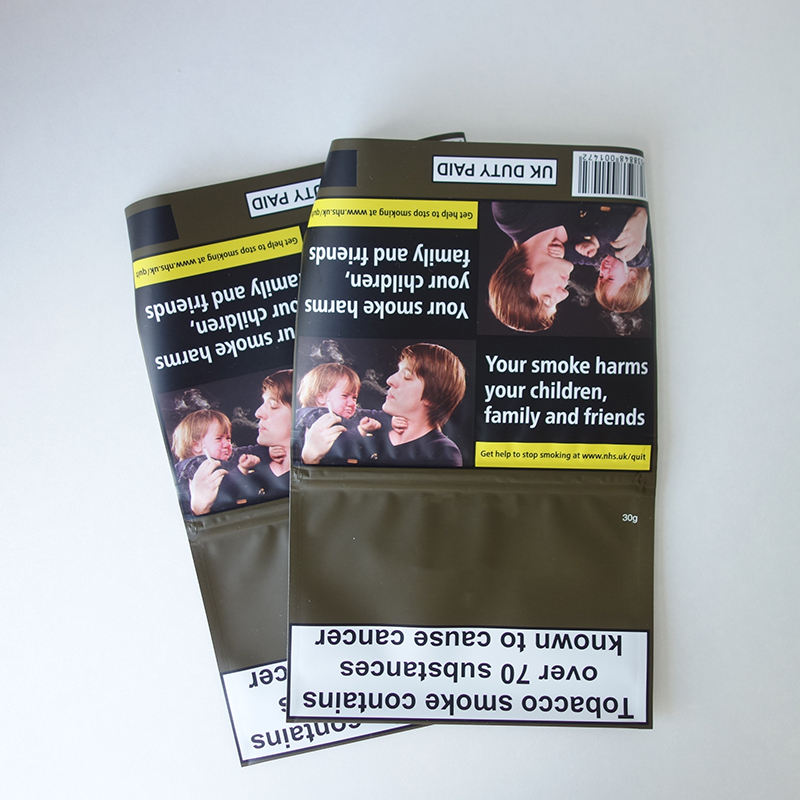
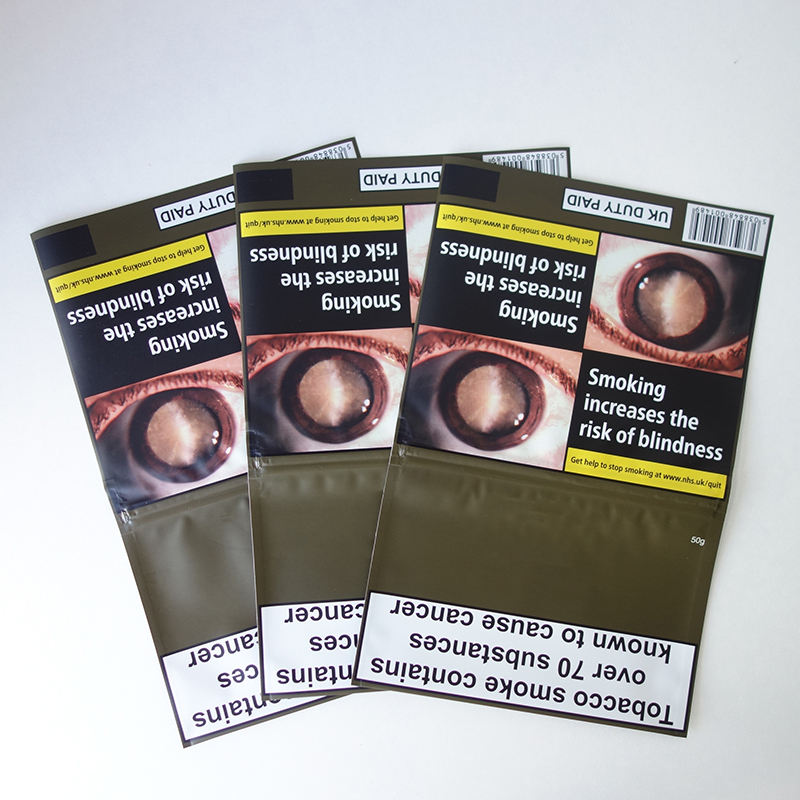
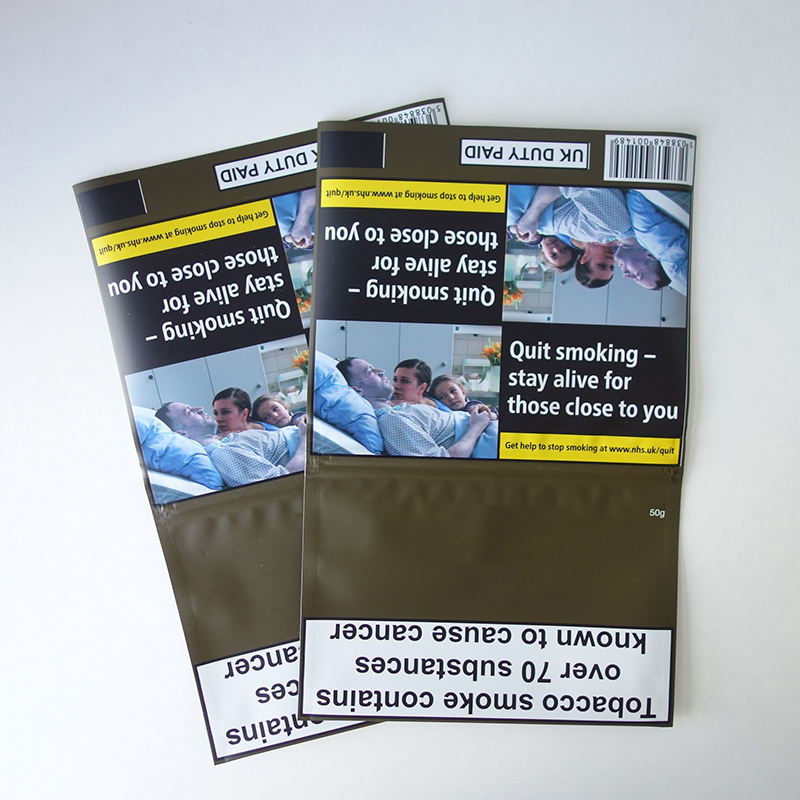
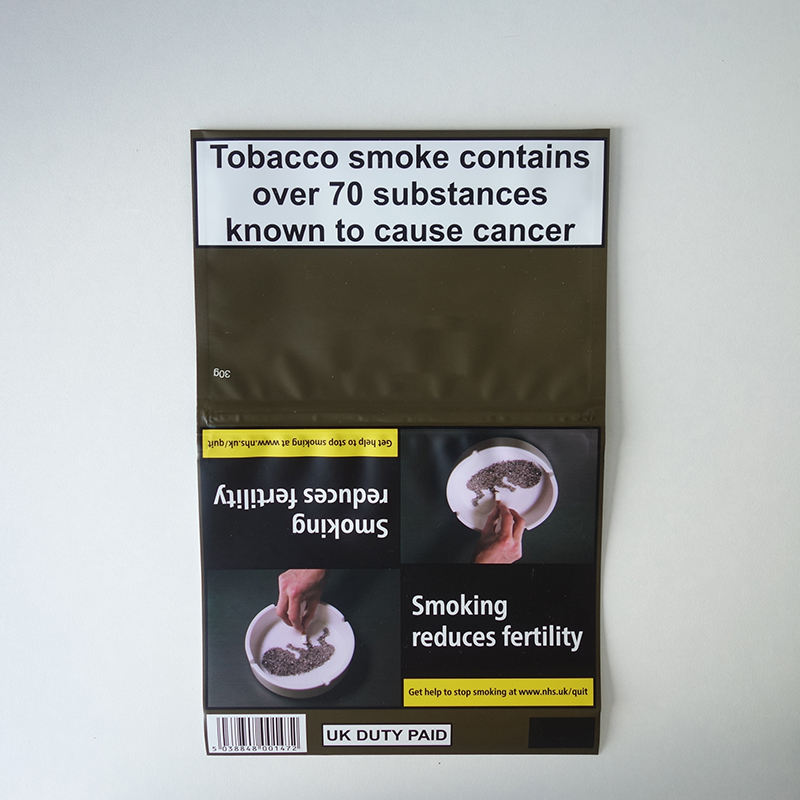
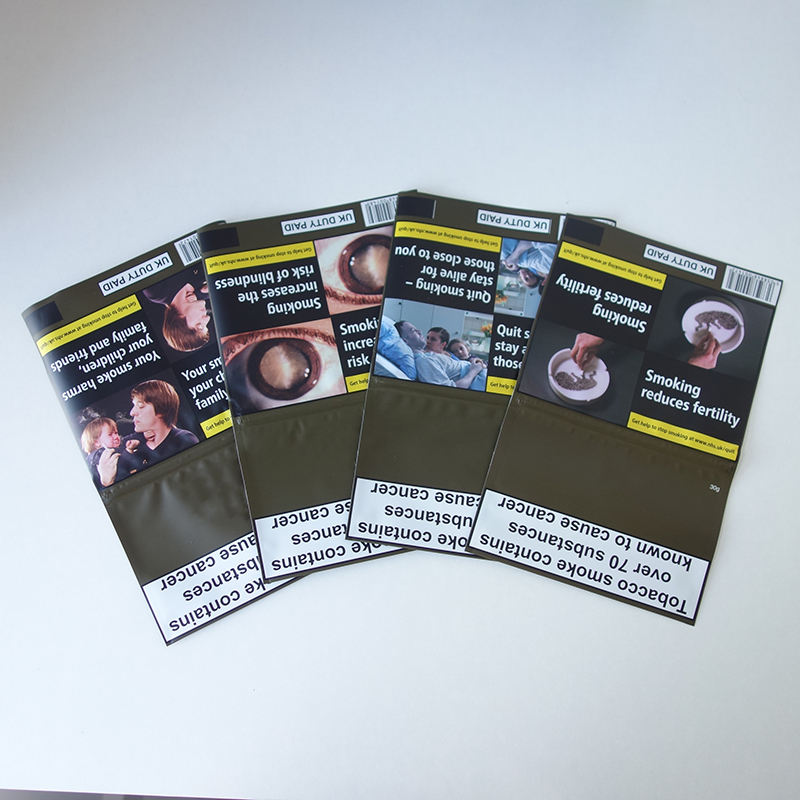
Custom 3-side seal smell-proof Mylar tobacco pouches are flat flexible packages made for tobacco products and configurable for lawful cannabis flower applications. Their sealed-edge format provides a controlled printable area and a compact profile for wholesale, private-label, OEM, distributor, and multi-SKU programs. The term “smell-proof” identifies the requested product type; actual aroma containment depends on the complete laminate, closure, final heat seal, and handling conditions.
Product Specifications
| Specification | Product Detail |
|---|---|
| Product type | Custom flexible tobacco pouch |
| Pouch style | 3-side seal pouch |
| Material | Mylar-based flexible packaging; the complete laminate structure must be confirmed |
| Primary use | Tobacco packaging; cannabis flower use may be specified where lawful |
| Barrier function | Designed to help contain aroma when the selected laminate and sealing system are appropriate and properly sealed |
| Dimensions and capacity | Custom; confirm from the product volume, density, headspace, and filling process |
| Closure | Final heat-seal requirements must be confirmed; any zipper or child-resistant feature is subject to specification |
| Printing and finish | Custom options can be evaluated from artwork, quantity, color, finish, and substrate requirements |
| Order details | MOQ, pricing, sampling, production timing, and delivery terms require a project-specific quotation |
Flat Pouch Format and Filling Behavior
A three-side seal format uses a flat pouch body with sealed perimeter edges and a designated opening for product filling and final sealing. Unlike a stand-up pouch, this format does not rely on a bottom gusset to create a retail shelf base unless a different construction is specifically requested. Buyers should therefore assess hanging, countertop, carton, and display requirements before approving the die line.
The usable internal area is smaller than the outside dimensions because the perimeter seals, opening allowance, and any zipper or tear notch consume space. Seal width and opening position also affect the artwork safe area. The converter-approved die line should be used for every design rather than placing warnings, strain names, or regulatory text close to a seal.
Laminate Selection and Aroma Management
The word Mylar is commonly associated with polyester-based flexible packaging, but it does not identify every layer in a finished pouch. These three-side seal Mylar tobacco bags may be configured as a multilayer laminate, depending on the required stiffness, puncture resistance, opacity, heat sealability, and moisture or oxygen protection. Buyers should request the complete proposed structure rather than judging barrier performance from appearance alone.
A suitable barrier layer helps slow the movement of aroma, moisture, and oxygen through the pouch walls. The inner sealant layer supports heat sealing, while the outer layer can provide printability and surface durability. Performance remains dependent on the complete laminate, seal integrity, closure design, storage conditions, and package handling. A metallic look, matte coating, holographic effect, or opaque print does not by itself establish measured barrier values.
There is also a practical trade-off between barrier protection and visibility. An opaque or metallized configuration may provide better light protection than a clear window, while a window lets buyers view the contents. If a window is requested, its position, size, laminate construction, and effect on light and aroma protection should be reviewed before artwork approval.
Sizing for Tobacco or Cannabis Flower
Pouch size should be selected from actual packed-product behavior, not from fill weight alone. Tobacco cut, cannabis flower density, bud shape, moisture condition, and desired headspace can produce different volume requirements at the same nominal weight. Overfilling can stress the perimeter and top seals, while excessive headspace creates unnecessary movement and a larger package footprint.
For odor-resistant cannabis flower pouches, evaluate a physical fill test with the intended product or a representative equivalent. Confirm the maximum product dimensions, target fill weight, preferred headspace, final sealing zone, and whether manual or automated filling equipment will be used. This information helps determine the pouch width, height, opening access, and seal clearance without inventing a universal size.
Closure, Heat Seal, and Child-Resistant Requirements
A final heat seal provides tamper evidence only when the selected construction and sealing process create an appropriate closed seam. Sealing temperature, pressure, dwell time, contamination in the seal area, and equipment setup can all influence seal quality. Production settings should therefore be validated with the actual pouch and filling line.
A standard resealable zipper, if selected, is not automatically child-resistant. Child-resistant packaging requires a specifically designed system and evidence appropriate to the destination market and intended use. Buyers needing cannabis packaging should identify whether resealability, tamper evidence, or a child-resistant function is required so these separate needs are not treated as interchangeable.
Custom Printing and Multi-SKU Control
Custom printed tobacco pouches can carry brand graphics, product names, warnings, variable strain identities, and required market information, subject to the approved print process and die line. Available color reproduction, metallic effects, white ink, coatings, and finishes depend on the chosen substrate and printing method. Fine text, barcodes, registration tolerances, and seal-area restrictions should be reviewed through artwork preflight.
Private-label multi-SKU weed baggies require disciplined artwork version control. A practical program uses one approved pouch geometry, common legal-text zones, consistent color references, unique file names, and a documented approval for each tobacco blend or cannabis strain. This reduces the risk of mixing versions while preserving a recognizable product family. The number of designs and quantity per design should be stated separately in the RFQ because they can affect production planning.
Compliance and Procurement Checks
Packaging requirements differ by product category and destination market. The buyer remains responsible for identifying applicable tobacco or cannabis rules, warning panels, symbols, language, opacity, labeling, child-resistant packaging, and material-contact requirements. Ask the supplier to document the proposed materials and features, but do not assume that a custom print, zipper, or “smell-proof” description establishes approval or compliance.
When comparing a wholesale cannabis pouch manufacturer or supplier, compare equivalent specifications: external dimensions, laminate structure, thickness specification, seal design, closure, print method, finish, artwork count, packing method, and destination. A lower quotation based on a different laminate or closure is not a like-for-like comparison.
Frequently Asked Questions
Are these pouches guaranteed to be completely smell-proof?
No. They are intended to help contain aroma, but performance depends on the selected laminate, closure, heat-seal integrity, storage conditions, and handling. The required barrier and sealing specification should be confirmed before production.
Can one pouch size be used for every tobacco blend or cannabis strain?
Not necessarily. Products with the same fill weight can have different densities and usable volumes. A fill test should confirm pouch dimensions, headspace, opening access, and seal clearance for each materially different product.
Does a resealable zipper make the pouch child-resistant?
No. An ordinary zipper provides resealability but is not automatically child-resistant. A child-resistant requirement must be stated separately and matched to a suitable closure system and destination-market requirements.
Can these pouches be supplied with custom strain or blend artwork?
Custom artwork can be evaluated for individual strains, blends, or private-label SKUs. Provide the number of designs, quantity per design, print colors, finish preference, and final artwork files for production review.
What should be confirmed before requesting a quotation?
Confirm the intended contents, fill weight, actual product volume or dimensions, desired pouch dimensions, order quantity, quantity per artwork version, laminate or barrier needs, closure, finish, filling method, destination market, and applicable compliance requirements.
Request a Product-Specific B2B Quotation
For an accurate RFQ, submit the tobacco or cannabis product type, target fill weight, actual product dimensions or sample-fill volume, preferred pouch dimensions, total quantity, number of artwork versions, desired laminate or barrier function, closure and final-seal requirements, finish, filling method, destination market, and known compliance needs. These details allow the proposed pouch construction and quotation to be evaluated against the same procurement specification.


Reviews
There are no reviews yet.