
Custom Printed Tobacco Pouches for Multiple Product Variants
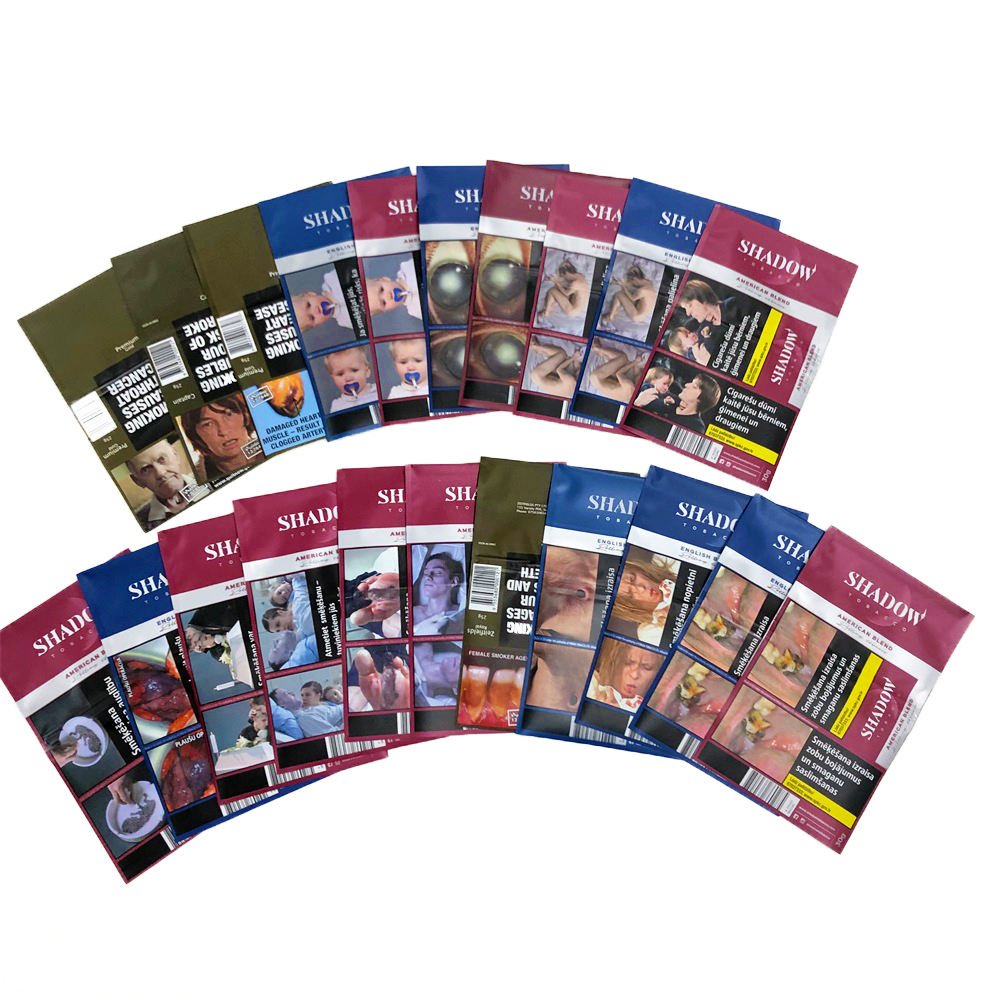
Custom printed tobacco pouches are flexible retail and wholesale packaging bags developed for brands that manage multiple product variants, flavors, blends, strains, or private-label SKUs. They are suitable for tobacco products and may also be specified for hemp or cannabis-related dry goods where destination-market rules allow. The defining value of this product is not one fixed pouch size; it is the ability to keep a consistent pouch format while changing artwork, variant names, warning panels, colors, and product information across a broader SKU range.
Product Specifications
| Product type | Custom printed flexible tobacco pouch packaging |
|---|---|
| Intended contents | Tobacco products, herbal blends, hemp flower, cannabis flower, or related dry products, subject to buyer specification and local compliance review |
| Pouch format | Configurable pouch style; stand-up, flat, or shaped formats may be considered depending on artwork, filling method, and required shelf presentation |
| Material structure | To be confirmed; may include PET, PE, PP, Mylar-type films, aluminum foil layers, kraft paper appearance, or other laminates depending on barrier and finish requirements |
| Closure | Optional resealable zipper, heat seal area, tear notch, or child-resistant closure if specified and validated for the target market |
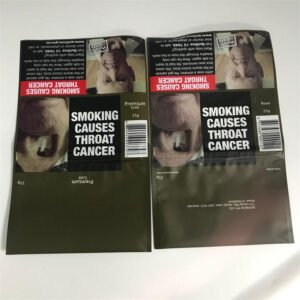
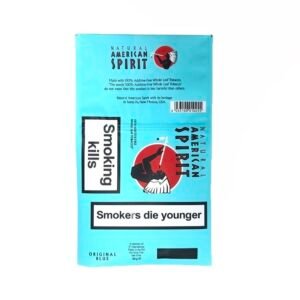
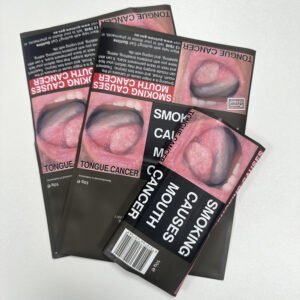
| Printing | Custom printed graphics for multiple variants, private-label lines, flavor families, strain names, and regulatory text areas |
| Finish options | May include matte, gloss, soft-touch, metallic, kraft-style, holographic, or spot effects depending on selected substrate and print method |
| Values to confirm | Fill weight, actual product density, pouch dimensions, barrier target, artwork count, closure type, destination market, and compliance needs |
What This Pouch Is Designed to Solve
Multi-variant tobacco and cannabis-adjacent product lines often need packaging that looks unified on shelf but still separates each SKU clearly. These pouches can be developed with shared construction, shared dieline, and repeated layout zones while allowing different colors, strain names, flavor cues, warnings, barcodes, batch information, or distributor marks. This helps procurement teams control packaging complexity without forcing every product variant into identical graphics.
For buyers comparing printed flexible tobacco packaging, the first decision is whether the pouch is primarily for display, storage, shipping protection, odor control, moisture management, regulatory communication, or all of these at once. A pouch can only perform as well as its complete laminate, seal geometry, closure, and filling process allow.
Material and Barrier Considerations
The material should be selected around the product inside. Dry tobacco, flower, and herbal blends may be sensitive to moisture gain, moisture loss, aroma migration, oxygen exposure, light, and rough handling. A laminated film structure can be configured to help contain aroma when properly sealed, improve stiffness, provide puncture resistance, or reduce light exposure. However, matte, metallic, holographic, kraft-style, or clear window appearance does not by itself prove a specific barrier level.
If aroma control is a key procurement requirement, the full structure should be reviewed alongside seal width, zipper selection, and filling accuracy. Buyers can compare options such as smell resistant packaging features while understanding that performance depends on the final pouch specification and proper closing by the end user.
Pouch Size, Product Density, and Headspace
A stated fill weight is not enough to define the right pouch. Cut tobacco, dense herbal blends, fluffy flower, small buds, ground material, and infused dry goods can occupy very different volumes at the same weight. For custom tobacco bags for multiple SKUs, the safest RFQ input is the actual filled product volume or a sample of the product, not just grams or ounces.
Headspace also matters. Too little headspace may make filling and zipper closing difficult. Too much headspace can make the bag look underfilled, increase internal movement, or reduce the perceived value of the product. Stand-up pouches need enough bottom gusset space to sit properly after filling, while flat pouches may prioritize mailer efficiency and larger front-panel graphics.
Closure, Heat Seal, and Child-Resistant Distinctions
A standard resealable zipper is useful for repeated opening and closing, but it should not be described as child-resistant unless the selected closure is specifically designed and supported for that purpose. For tobacco, hemp, marijuana, weed, or cannabis product lines, closure requirements can vary widely by destination market and product category.
Many buyers specify a heat seal area above the zipper for tamper evidence before first opening. Tear notches can improve consumer opening, but their location must work with the zipper, header space, warning panels, and automated or manual filling equipment. If resealability is central to the product experience, review resealable packaging options early in the dieline stage rather than after artwork is complete.
Custom Printing for Variant Families
Private label tobacco pouches are often produced as a family system: one master layout, several artwork versions, and consistent material across the range. This approach can support tobacco blends, terpene profiles, flavors, strengths, seasonal editions, or distributor-exclusive SKUs. Common artwork zones include the brand block, product name, net contents, warning space, compliance icons, barcode, batch coding area, and back-panel usage or storage information.
The main trade-off is between visual impact and operational simplicity. A high-impact finish such as metallic, holographic, or spot effect can help premium variants stand out, but it may add artwork preparation requirements and substrate limitations. A simpler matte or gloss design can be easier to standardize across many SKUs. Clear windows can show product appearance, but they also reduce light protection in that area and may complicate compliance layout.
Compliance and Documentation Inputs
Packaging artwork for tobacco and cannabis-related goods should be reviewed against the buyer’s destination market before production approval. Required statements, warning size, symbol placement, language, child-resistant expectations, tamper-evident features, and food-contact considerations for edible-adjacent items may differ by jurisdiction. Buyers should not assume that a pouch format is automatically approved for all markets.
For regulated cannabis or marijuana packaging projects, procurement teams can review cannabis packaging compliance considerations and then provide the exact market, product category, and labeling requirements for the RFQ file.
Custom Development Process
- Requirements review: confirm the contents, fill weight, product density, variant count, shelf format, closure expectation, and destination market.
- Specification confirmation: define pouch style, dimensions, laminate structure, barrier goals, zipper or heat seal details, finish, and printing method.
- Artwork and sample review: check dielines, variant artwork, warning space, barcode zones, opening position, and physical sample behavior before bulk approval.
- Bulk-production approval: approve final artwork, material, closure, and packing specifications so multi-SKU production can follow the confirmed files.
FAQ
Can the same pouch structure be used for several tobacco or cannabis variants?
Yes, the pouch can be developed around a shared structure and dieline while changing artwork for different blends, flavors, strains, or private-label SKUs. The product volume and filling behavior should still be checked for each major variant.
Are these pouches automatically smell proof?
No absolute odor claim should be assumed. A suitable laminate, zipper, heat seal, and correct closing method can help contain aroma, but the final performance depends on the confirmed structure and sealing system.
What information is needed to size the pouch?
Provide the fill weight, product type, bulk density or product sample, desired headspace, pouch style, and filling method. Weight alone does not define the correct dimensions for tobacco, flower, or herbal blends.
Can the pouch include a child-resistant closure?
It may be configured with a child-resistant closure if required, but this must be specified separately from an ordinary resealable zipper and reviewed against the destination market requirements.
What is the main benefit for multi-SKU buyers?
The main benefit is packaging consistency across many variants. Buyers can keep one recognizable brand system while changing variant colors, names, compliance text, and product-specific information.
RFQ Checklist for B2B Buyers
For a precise quotation, send the product contents, fill weight or actual product dimensions, desired pouch size, quantity, number of artwork versions, material or barrier expectations, closure type, finish preference, filling method, destination market, and any compliance or document requirements. This allows the pouch to be specified as a real multi-variant packaging program rather than a generic printed bag.
Reviews
There are no reviews yet.