
Custom Printed Child-Resistant Mylar Bags for Cannabis Packaging
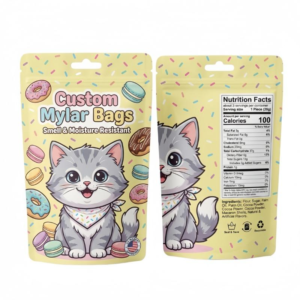
Custom printed child-resistant Mylar bags are resealable ziplock cannabis pouches intended for brands, distributors, wholesalers, private-label programs, OEM buyers, and multi-SKU packaging projects. They combine a Mylar-based flexible bag format, custom graphics, a resealable opening, and a child-resistant design requirement in one package. The exact material structure, dimensions, closure construction, barrier performance, and market requirements should be confirmed before production or an RFQ.
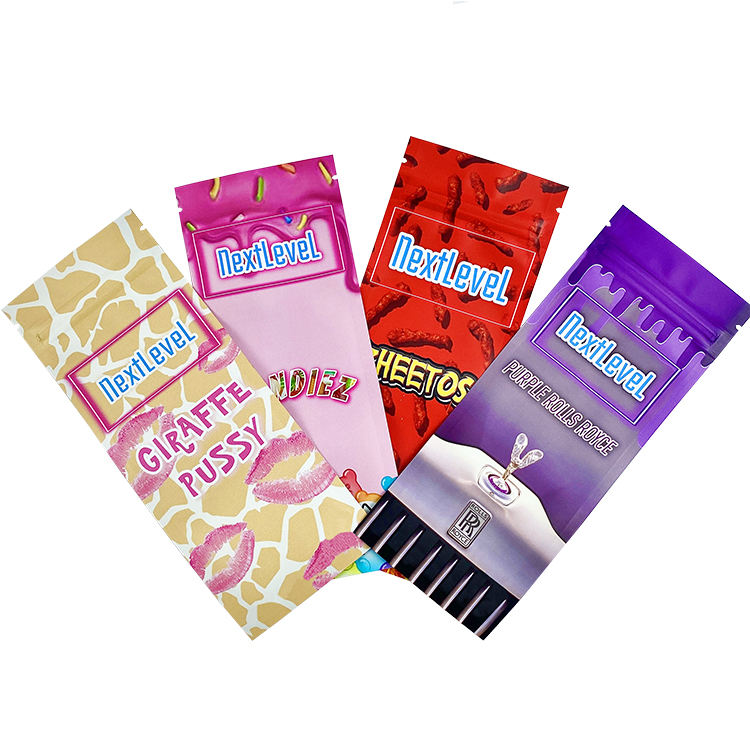
Product Specifications
| Product type | Custom printed child-resistant resealable ziplock Mylar bags |
|---|---|
| Primary material | Mylar-based flexible packaging; complete laminate structure to be confirmed |
| Closure | Resealable ziplock closure with a child-resistant configuration to be confirmed |
| Printing | Custom printed artwork; print process, colors, coverage, and registration require confirmation |
| Intended use | Cannabis product packaging, subject to product, destination-market, and compliance requirements |
| Size and capacity | Custom dimensions and usable volume; confirm contents, fill weight, density, and headspace |
| Finish | Selected appearance, such as matte or gloss, only when available for the chosen structure |
| Commercial format | Suitable for brand, private-label, OEM, ODM, wholesale, and multi-SKU inquiries |
Contents, Fill Weight, and Usable Volume
A stated cannabis fill weight does not identify one universal bag size. Flower density, nug size, trim level, product form, and the amount of headspace required can change the usable volume. A bag that fits a dense product may be unsuitable for a lighter, bulkier product at the same nominal weight. For flower, confirm the actual fill weight, typical particle or nug size, aroma expectations, desired headspace, and whether the package will be filled manually or on equipment.
For edibles or other products, provide the finished product dimensions and any moisture, grease, or surface-contact considerations. The bag should be evaluated against the contents rather than selected only by a printed capacity claim. A sample fit check can help confirm opening access, product movement, seal placement, and the amount of empty space above the contents.
Material Structure and Barrier Decisions
“Mylar” identifies a familiar flexible packaging material reference, but it does not by itself define the complete laminate or barrier specification. The selected structure can affect stiffness, puncture resistance, heat sealability, aroma containment, moisture protection, oxygen exposure, and light protection. Ask the supplier to identify the proposed layers and sealing range instead of treating appearance or the word Mylar as a complete technical specification.
Depending on the laminate structure and seal quality, the bag may help contain aroma and protect the contents from environmental exposure when properly sealed. A smell-resistant requirement should therefore be discussed as a target performance need, not as an absolute permanent guarantee. Metallic or opaque constructions may provide stronger light protection than a clear window, while a window can improve product visibility but may reduce light protection in that area. These are practical trade-offs to resolve against product sensitivity, brand presentation, and destination-market expectations.
Child-Resistant Closure Versus a Standard Resealable Ziplock
The product is described as having a child-resistant resealable ziplock format. Buyers should still distinguish a standard press-to-close zipper from a closure that has been designed and tested for a specific child-resistant requirement. The opening method, locking mechanism, seal geometry, tear feature, and required testing can vary by configuration and market.
Before approving artwork or ordering production, request the proposed closure construction and confirm whether the intended destination market requires documented child-resistant testing, specific warnings, or other packaging controls. A heat seal above the zipper may provide tamper evidence or additional containment, but it does not automatically establish child-resistant performance. A tear notch can improve opening access after any required seal is removed, yet it also needs to be positioned so it does not interfere with the closure or printed instructions.
Custom Printing, Artwork, and Brand Consistency
Custom printing allows cannabis brands to coordinate strain names, product variants, regulatory panels, usage information, and visual identity across a packaging range. Submit the dieline, finished bag dimensions, artwork versions, color references, required text, barcode placement, and any clear or unprinted areas for review. The printable area depends on the pouch dimensions, seal zones, zipper position, gusset or fold geometry, and the selected substrate.
Finish selection also needs to follow the material structure. Matte, gloss, metallic, holographic, kraft-look, and transparent effects are appearance choices rather than proof of a particular barrier level. If a clear window is requested, identify its location and size early because it can affect artwork, light exposure, and available information space. For multiple strains or SKUs, use one approved dieline and define which elements change between versions. This helps reduce accidental differences in warnings, net quantity, batch fields, or product identification.
Filling, Sealing, and Production Workflow
Confirm whether the bags will be hand filled, filled with a semi-automatic system, or used on automated equipment. The filling method influences pouch dimensions, opening width, stiffness, gusset requirements, zipper access, and the amount of headspace needed. A stand-up structure, flat format, or gusseted construction should be selected according to the product shape and handling process rather than artwork alone.
For cannabis flower, evaluate whether the zipper can be closed without trapping product in the seal area and whether the contents move excessively during transport. For edibles, check whether oils, crumbs, or moisture may contaminate the sealing surface. Regardless of the contents, a heat seal is only useful when the equipment, temperature, pressure, dwell time, and seal area are matched to the structure. These production settings and any required verification should be agreed with the packaging supplier and filling operation.
Multi-SKU, Private-Label, and Wholesale Procurement
Private-label, OEM, ODM, and wholesale buyers should prepare a consolidated specification for every SKU. Include the product name or strain, fill weight, actual product dimensions, target bag dimensions, closure configuration, material or barrier preference, finish, artwork version, and destination market. If several SKUs share one bag platform, identify the common elements and the variable graphics before requesting samples or quotation.
This approach helps compare like-for-like proposals and exposes differences in usable volume, seal placement, artwork area, and closure construction. It also makes it easier to identify which details remain subject to supplier confirmation, such as available structures, printing limitations, child-resistant documentation, sample approval, and production requirements. Do not assume that a pouch suitable for one flower density or product format will provide the same fit for another.
Frequently Asked Questions
Are these child-resistant bags the same as ordinary resealable ziplock bags?
No. A standard resealable zipper and a child-resistant closure are different specifications. Confirm the proposed mechanism, applicable testing, documentation, and destination-market requirements before approval.
Does Mylar alone define the bag’s barrier performance?
No. Barrier behavior depends on the complete laminate, closure, heat-seal system, and handling conditions. Confirm the proposed structure and any required aroma, moisture, oxygen, light, or puncture performance.
Can one bag size hold every cannabis flower fill weight?
No. Usable volume changes with flower density, nug size, fill weight, and desired headspace. Provide the actual contents and request a fit review or sample evaluation.
Can the bags be printed for multiple strains or SKUs?
Yes, the format is intended for custom printed packaging programs, but each artwork version, print area, seal zone, finish, and variable product detail should be reviewed against the approved dieline.
Can these bags be used for edibles?
They may be considered for suitable edible products, subject to the product’s moisture, grease, dimensions, contact requirements, closure needs, and destination-market packaging rules. Food-contact and compliance requirements must be confirmed for the selected structure.
What information should be included in an RFQ?
Provide the contents, fill weight or actual product dimensions, desired pouch dimensions, quantity, number of artwork versions, material or barrier preference, closure, finish, filling method, destination market, and compliance needs.
Request a B2B Specification Review
For a quotation or packaging review, send the contents, fill weight or actual product dimensions, desired pouch dimensions, quantity, artwork versions, material or barrier requirements, child-resistant closure expectations, finish, filling method, destination market, and compliance needs. The supplier can then confirm the appropriate structure, usable volume, print area, closure details, and information still required before production.
Reviews
There are no reviews yet.