
Custom Printed Child-Resistant Cannabis Bags for 3.5g–14g Products
These custom printed child-resistant cannabis bags are flexible packaging for cannabis brands, distributors, wholesalers, private-label programs, OEM/ODM buyers, and multi-SKU packaging projects requiring a 3.5g–14g fill range. The bags combine a custom-printing requirement with a child-resistant opening and a smell-resistant packaging objective. They may be specified for dried flower or another compatible cannabis product, but the correct pouch dimensions, laminate, closure system, and sealing process must be confirmed against the actual product and destination-market requirements.
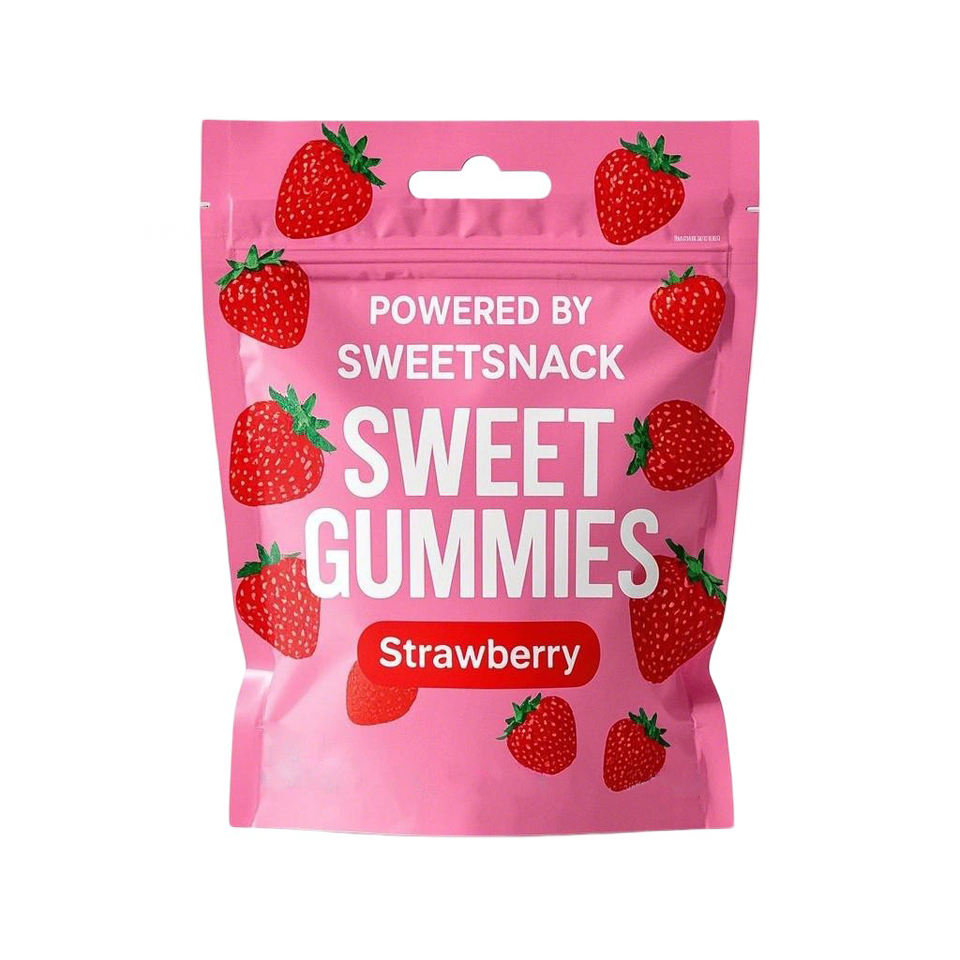
Product Specifications
| Product type | Custom printed child-resistant smell-proof bag |
|---|---|
| Stated fill range | 3.5g–14g; final usable volume depends on product density and pack-out |
| Intended packaging use | Cannabis packaging; confirm whether the selected format suits flower or another product |
| Closure | Child-resistant closure; exact mechanism and testing requirements must be confirmed |
| Material and barrier | Flexible barrier structure to be selected and confirmed for aroma, moisture, oxygen, light, and puncture requirements |
| Printing | Custom printed; artwork area, color process, finish, and substrate limits require confirmation |
| Dimensions | Not provided; determine from the packed product, headspace, seal geometry, and filling method |
Match the Bag to the Product, Not Just the Gram Weight
A stated 3.5g–14g range does not establish one universal bag size. Flower density, nug size, grind, moisture condition, and presentation goals affect how much space the product occupies. A denser product may fit into a smaller volume, while larger flower may need additional width, depth, or headspace to avoid crushing and make filling easier. Send the actual product dimensions or representative samples when requesting a quotation. The supplier can then evaluate usable volume, opening size, fill height, and the space required for a reliable top seal.
Headspace also affects aroma management and presentation. Excess air can make a bag appear underfilled and may increase movement during handling. Too little headspace can interfere with filling, zipper engagement, or heat sealing. A practical specification should therefore identify the target fill weight, product density, expected pack-out, and whether the bag will be filled manually or on equipment.
Barrier Structure and Smell-Resistant Performance
“Smell-proof” is a search term and packaging objective rather than an unconditional performance guarantee. Aroma containment depends on the complete laminate, film selection, seal quality, closure design, product characteristics, and how the finished bag is handled. A suitable flexible barrier structure can help contain aroma when properly sealed, but the structure must be selected for the product and market rather than inferred from the printed appearance.
Depending on the selected structure, the material may be configured to balance moisture resistance, oxygen protection, light shielding, puncture resistance, stiffness, and heat sealability. These properties can compete with one another. For example, a higher-barrier or more opaque structure may improve protection from light and help with aroma retention, while a clear window may improve product visibility but reduce light protection in that area. Matte, metallic, holographic, or kraft-style appearance does not by itself identify the barrier construction.
Ask for the proposed laminate and sealing recommendations before approval. If moisture or oxygen sensitivity matters, request the relevant technical information for the selected structure rather than assuming that every smell-resistant bag has the same barrier performance.
Child-Resistant Closure and Seal Specification
The child-resistant feature should be treated separately from an ordinary resealable zipper. A zipper may support repeated opening and closing, while a child-resistant design requires a different user interaction and may be subject to destination-market testing or regulatory requirements. Confirm the exact closure mechanism, opening instructions, seal width, tear-notch position, and whether the finished package needs market-specific evaluation.
The top seal remains important even when a child-resistant closure is present. The selected sealing temperature, dwell time, pressure, and film compatibility can affect seal integrity. A tear notch may improve access for an authorized adult, but its position must not compromise the closure or printed warning area. These details should be reviewed with the filling and sealing method used by your operation.
Custom Printing for Strains and Multi-SKU Programs
Custom printing allows a brand to organize strain names, product variants, regulatory panels, batch information, and visual identifiers across a packaging family. For multi-SKU buyers, consistency matters: keep the bag dimensions, closure location, seal geometry, and key artwork zones stable where possible, while reserving controlled areas for variable SKU information.
Before artwork production, confirm the dieline, printable area, safe margins, seam and gusset exclusions if applicable, barcode placement, finish, color expectations, and substrate limitations. A metallic or matte visual effect may be created through the selected film, ink, coating, or finish; it should not be treated as proof of a specific barrier layer. Request a proof or preproduction approval process if color matching and small text are important to the launch.
Trade-Offs for Filling, Protection, and Presentation
There is a practical trade-off between a compact presentation and filling tolerance. A smaller bag may look more efficient for a dense 3.5g product, but it can limit headspace, make larger flower harder to load, and increase the risk of product contact with the seal area. A roomier bag may simplify filling and protect product shape, but it can look less full and use more material. The best choice depends on actual product dimensions, density, pack-out speed, and shelf presentation.
Destination-Market and RFQ Checks
Packaging requirements vary by destination market and product category. Confirm required warning language, labeling space, child-resistant expectations, food-contact considerations where relevant, traceability information, and any testing or documentation needed by your jurisdiction. Do not assume that a bag described as child-resistant or smell-proof automatically satisfies every local requirement.
<
- Target fill weight, product type, density, and representative product dimensions
- Desired finished bag dimensions, usable volume, headspace, and opening position
- Required laminate or barrier priorities, including aroma, moisture, oxygen, light, and puncture considerations
- Closure preference, tear-notch position, heat-seal method, and filling equipment
- Number of artwork versions, SKU or strain information, print coverage, and finish
- Order quantity, destination market, documentation, testing, and compliance needs
Frequently Asked Questions
Can one bag size package every product from 3.5g to 14g?
Not necessarily. Product density, flower dimensions, fill presentation, headspace, and filling method affect the required size. Confirm the actual product and desired pack-out before selecting dimensions.
Does smell-proof mean the bag provides absolute odor elimination?
No. Aroma containment depends on the complete laminate, closure, seals, product, and handling. The bag can be specified to help contain aroma when properly sealed, but performance should be evaluated against the final structure.
Is a child-resistant zipper the same as a standard resealable zipper?
No. A standard zipper supports resealing, while a child-resistant closure is a separate design and may require destination-market testing or documentation. Confirm the exact closure and applicable requirements.
Can these bags be custom printed for multiple strains or SKUs?
Yes, the product is stated as custom printed and can be discussed for multi-SKU artwork planning. Confirm the printable area, dieline, finish, number of versions, color expectations, and variable information requirements.
What should a buyer provide for an accurate quotation?
Provide the contents, fill weight, actual product dimensions or sample, desired bag dimensions, quantity, artwork versions, material or barrier priorities, closure, finish, filling method, destination market, and compliance needs.
Request a B2B Specification Review
For a product-specific RFQ, send your contents, 3.5g–14g target fill weight, actual product dimensions, desired pouch dimensions, quantity, artwork versions, material or barrier requirements, child-resistant closure preference, finish, filling method, destination market, and compliance needs. These details allow the proposed cannabis packaging manufacturer wholesale specification to be reviewed before artwork and production approval.

Reviews
There are no reviews yet.