
Custom Liquid Spout Pouches for 500ml–1L Products
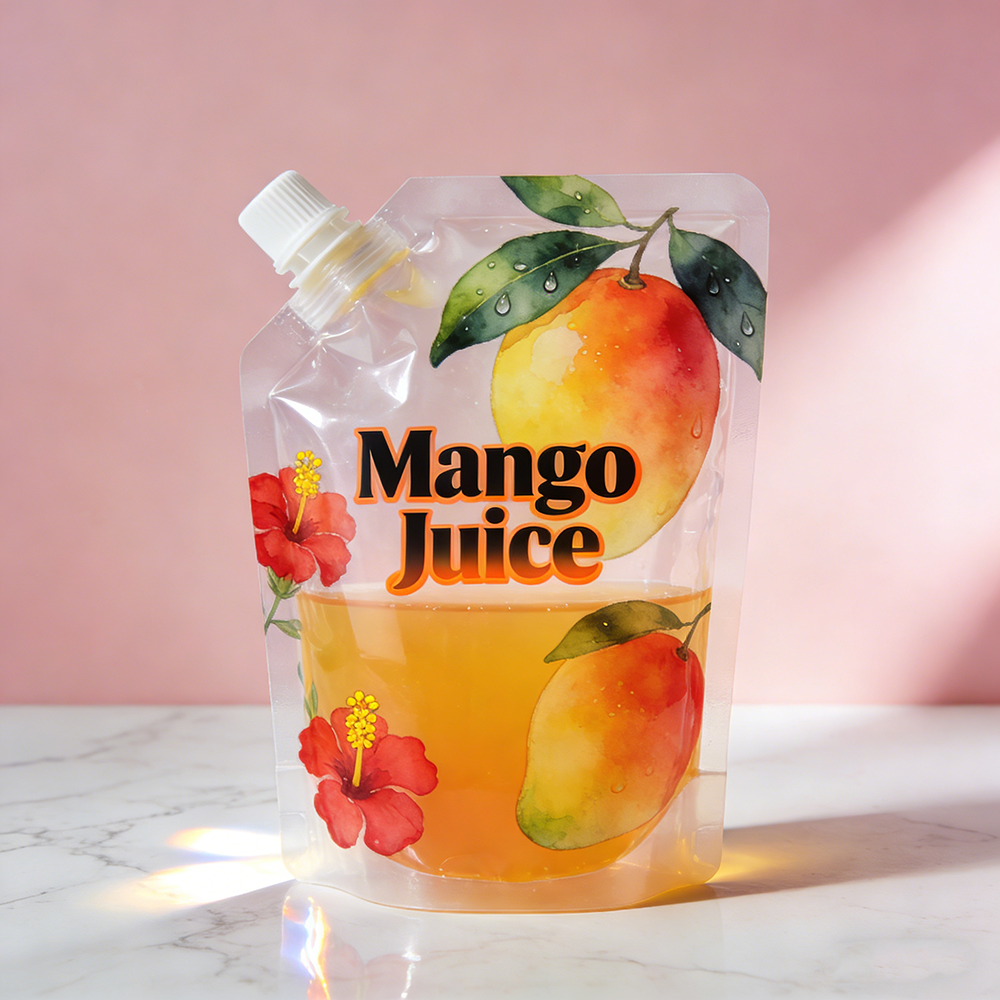
Custom liquid spout pouches are flexible packages made for dispensing liquid products in nominal capacities from 500ml to 1L. This moisture-proof pouch format combines an enclosed pouch body with a dispensing spout and is relevant to cannabis brands, liquid-product manufacturers, private-label programs, distributors, importers, and wholesale buyers. Final suitability depends on the liquid formulation, required usable volume, spout system, laminate specification, filling process, and destination-market rules.
Product Specifications
| Product type | Flexible pouch with dispensing spout |
|---|---|
| Nominal capacity range | 500ml–1L; usable fill volume requires confirmation with the actual liquid and pouch dimensions |
| Intended contents | Liquid products compatible with the selected contact layer, seals, spout, and cap |
| Moisture function | Specified as moisture-proof; measurable protection depends on the complete laminate, spout fitment, seals, and test conditions |
| Material structure | Flexible structure; exact film layers, contact layer, thickness, and barrier specification must be confirmed |
| Closure | Spout and cap configuration; opening diameter, cap style, tamper evidence, and child-resistant requirements are subject to specification |
| Customization | Pouch dimensions, artwork, print coverage, finish, spout position, and other options can be evaluated for the project |
| Buyer confirmation | Contents, viscosity, fill volume, filling temperature, filling method, quantity, destination market, and compliance needs |
What These Spouted Pouches Are Designed to Do
The integrated spout provides a defined opening for filling or dispensing liquids without opening the full top of the pouch. Depending on the selected spout and production process, filling may take place through the spout or through an unsealed section that is closed after filling. Buyers should identify their intended filling method before approving the pouch construction.
Potential applications include compatible beverage concentrates, syrups, sauces, oils, gels, refills, and other liquid formulations. Cannabis-related applications may include compliant liquid or semi-liquid products where permitted, but product-contact suitability and regulatory requirements must be assessed for the specific formulation and market. The pouch should not be selected from capacity alone.
Capacity, Headspace, and Filling Behavior
The stated 500ml–1L range does not establish one universal pouch dimension. Liquid density, viscosity, foaming, particulates, required headspace, spout displacement, seal geometry, and the way the pouch expands all affect usable volume. A nominal 1L pouch may not be appropriate for every 1L product under every filling condition.
Provide the target net content and, when possible, a sample or technical description of the liquid. The converter or supplier can then evaluate desired dimensions, gusset behavior, fill level, and seal area. Trial filling is particularly important when a formula foams, is filled warm or hot, contains suspended particles, or must pass through automated filling equipment.
Laminate and Moisture-Barrier Decisions
Moisture-resistant liquid packaging pouches rely on the complete packaging system rather than appearance alone. The outer film can support printing and handling resistance, middle layers may be configured for barrier or stiffness, and the inner contact layer must support sealing and compatibility with the contents. Exact materials should be chosen only after the formulation and processing conditions are known.
Barrier selection may help limit moisture transfer, oxygen exposure, aroma migration, or light exposure when the corresponding film structure is specified and the pouch is properly sealed. Metallic appearance, matte finish, or opaque printing does not by itself establish barrier performance. Likewise, a transparent area improves product visibility but may reduce light protection compared with an opaque high-barrier construction.
Request relevant structure information and test expectations during technical review. The term moisture-proof should be translated into measurable project requirements where moisture-vapor performance is critical; no permanent barrier or leakage result should be assumed without an agreed structure, sealing process, and validation method.
Spout Size, Cap, and Seal Trade-Offs
Spout selection should match both the liquid and the user experience. A smaller opening can provide more controlled dispensing for free-flowing contents, but it may slow filling or clog with viscous formulas and particles. A larger opening can improve filling speed and accommodate thicker products, although it changes the pour rate, cap profile, and available artwork area.
The cap closes the dispensing opening, while the pouch seals secure the surrounding film structure. Both areas require evaluation. A standard screw cap is not automatically tamper-evident or child-resistant. If cannabis regulations require a tested child-resistant package, buyers must request a purpose-designed closure system and verify the completed package against the applicable destination-market requirements.
Custom Printing and Multi-SKU Programs
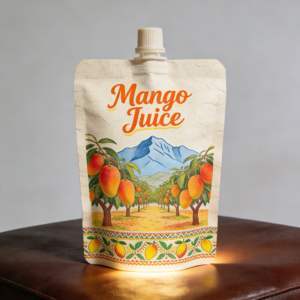
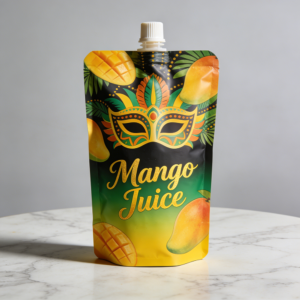
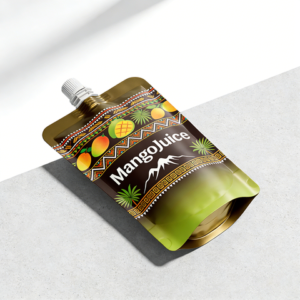
Custom printed spouted pouches can be planned with brand graphics, product names, instructions, batch areas, warnings, and regulatory information, subject to the selected printing process and available artwork panels. Spout position, seals, curves, and gusset folds can reduce the uninterrupted print area, so artwork should be prepared on an approved die line rather than a generic rectangle.
For OEM multi-SKU liquid pouch packaging, maintain shared structural specifications across compatible products where practical. A consistent pouch size, spout position, finish, and color-management target can simplify filling setup and brand presentation. However, formulas with different oil content, acidity, aroma, viscosity, or processing temperatures may require separate compatibility reviews even when the artwork family is visually consistent.
Compliance and Procurement Review
- Product contact: Confirm that the inner layer, fitment, cap, inks, adhesives, and processing conditions are suitable for the intended contents.
- Cannabis requirements: Review child resistance, tamper evidence, warning placement, opacity, serving information, and other rules applicable to the product category and sales market.
- Filling compatibility: State whether filling is manual or automated, through the spout or an open edge, and whether heat is involved.
- Transport performance: Determine the required resistance to compression, flexing, puncture, drops, and cap movement based on the distribution route.
- Specification control: Approve dimensions, capacity, film structure, spout location, seal layout, artwork, and finish before production.
Frequently Asked Questions
Can the same pouch fit every 500ml or 1L liquid?
No. Usable volume depends on pouch dimensions, gusset expansion, liquid density, headspace, foaming, spout displacement, and filling conditions. The actual product and target fill should be evaluated before dimensions are approved.
How is moisture protection determined?
Moisture protection depends on the complete laminate, seals, spout fitment, cap, storage conditions, and validation method. Buyers should define the required performance and confirm the final structure rather than relying only on the moisture-proof product designation.
Does a spout make the pouch leakproof?
No. Leakage resistance depends on film compatibility, seal quality, fitment installation, cap engagement, filling conditions, and handling. A completed package should be validated under conditions relevant to its distribution and use.
Can multiple artwork versions use one pouch specification?
They can be planned as a coordinated multi-SKU program when the products are compatible with the same dimensions, structure, spout, and filling process. Each formula and artwork version still requires technical and prepress review.
Is the supplied cap automatically child-resistant?
No. A standard cap is not evidence of child-resistant performance. If child resistance is required, specify an appropriate closure system and verify the completed package under the rules applicable to the destination market.
Request a Product-Specific B2B Quotation
For an RFQ, provide the liquid type and formulation characteristics, target fill volume, desired pouch dimensions if known, viscosity or particle information, filling temperature and method, required material or barrier properties, spout and cap preferences, finish, order quantity, number of artwork versions, destination market, and applicable compliance needs. These inputs allow a wholesale spout pouch supplier to assess structure, dispensing, printing, and production requirements without assuming unsupported specifications.
Reviews
There are no reviews yet.