
Custom 50g Child-Resistant Mylar Bags for Tobacco Packaging
Custom 50g child-resistant Mylar bags are flexible pouches intended to hold a nominal 50-gram tobacco fill while providing a child-resistant opening format and customizable branding. They are relevant to tobacco brands, contract packers, distributors, private-label programs, importers, wholesalers, and multi-SKU buyers. Because 50 grams is a fill weight rather than a universal pouch dimension, buyers must confirm the tobacco format, density, desired headspace, closure mechanism, laminate, and destination-market requirements before production.
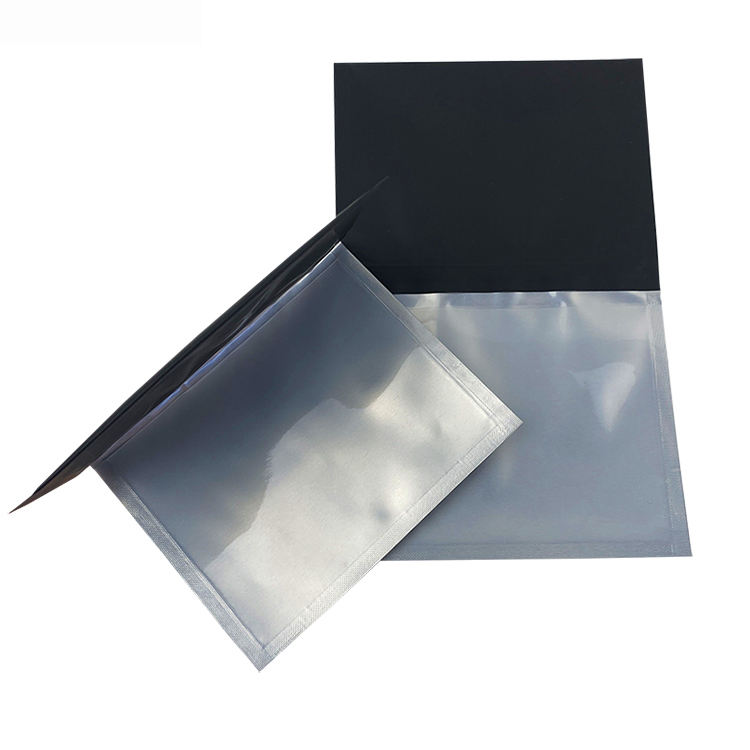
Product Specifications
| Attribute | Product specification |
|---|---|
| Product type | Custom flexible packaging bag |
| Nominal fill weight | 50 g; final fit depends on tobacco density, format, and headspace |
| Intended contents | Tobacco products |
| Material description | Mylar bag; the exact film and laminate structure require buyer confirmation |
| Opening function | Child-resistant; the specific closure design and supporting test documentation must be confirmed for the destination market |
| Pouch dimensions | To be confirmed from the actual product and filling requirements |
| Pouch style and gusset | Subject to the selected construction and final specification |
| Printing | Custom branding can be specified; print method, colors, coverage, and artwork versions require confirmation |
| Finish | To be selected based on the desired appearance, print system, and laminate |
| Final seal | Seal format and compatibility with the buyer’s filling process must be confirmed |
What Does a 50-Gram Capacity Mean?
A 50 g label identifies the intended tobacco weight, not the bag’s usable volume. Fine-cut tobacco, loose leaves, pipe tobacco, and other formats can occupy different volumes at the same weight. Product moisture, compression tolerance, cut size, and settling during distribution also influence the required dimensions.
Buyers should evaluate a physical fill sample before approving the die line. The pouch needs sufficient internal volume for filling and closure engagement without excessive unused space. Too little headspace can place tobacco in the zipper or seal area, increasing the risk of an inconsistent seal. Too much headspace can create an oversized pack, allow more internal movement, and reduce packing efficiency.
Mylar Laminate and Product Protection
“Mylar” is commonly used in flexible-packaging searches, but the term alone does not establish the complete film structure or measurable barrier performance. A finished 50g Mylar tobacco pouch may use a multilayer laminate configured around printability, stiffness, puncture resistance, heat sealability, and protection from moisture, oxygen, aroma migration, or light. Each performance characteristic depends on the complete laminate and sealing system rather than its appearance alone.
A suitable barrier structure can help contain tobacco aroma and limit environmental exposure when the pouch is properly closed and sealed. However, “smell proof” should not be treated as a permanent or absolute guarantee. Buyers requiring defined oxygen transmission, moisture transmission, or seal-strength targets should state those requirements in the RFQ and request applicable technical data for the proposed structure.
Metallic, matte, gloss, holographic, or kraft-style appearances may be configurable, but none automatically proves a particular barrier level. A transparent window can improve product visibility while reducing light protection in the window area. That visibility-versus-light-barrier decision is a practical trade-off to resolve during artwork and material selection.
Child-Resistant Closure and Final Sealing
These are child-resistant tobacco packaging bags, but the precise opening mechanism must be defined before quotation. An ordinary press-to-close resealable zipper is not automatically a child-resistant closure. Buyers should confirm how the selected mechanism operates, whether it is intended for repeated use, and which test protocol or documentation is required by the destination market.
Resealability and tamper evidence are separate functions. A child-resistant opening may support repeated access, while a heat-sealed area can provide an initial sealed boundary before sale. Tear notches, opening position, zipper clearance, and top-seal width must be coordinated so they do not undermine the intended opening sequence. The filling team should also verify that tobacco particles can be kept away from the final seal area.
Custom Printing and Multi-SKU Control
Custom printed 50g Mylar bags can carry brand graphics, product identity, flavor or blend information, warnings, handling instructions, and market-specific statements where required. Available print coverage, color behavior, fine-text reproduction, metallic effects, and finish combinations depend on the selected substrate and printing process. Final artwork should be built on the approved production die line rather than a generic 50 g template.
Private-label multi-SKU tobacco pouches benefit from a controlled master layout. Shared logo placement, warning panels, closure clearances, and technical layers can remain consistent while colors and product names change by SKU. Buyers should submit an artwork list showing every version, language, and variable element. This reduces ambiguity when similar tobacco blends or regional packs are quoted together.
Pouch Format, Filling, and Packing Trade-Offs
The final pouch style should match both retail presentation and the packing line. A gusseted format may provide more usable volume and a broader display face, but it can require additional attention during opening, filling, and case packing. A flatter format may pack efficiently, although its seal geometry and available internal volume can be more restrictive. No style should be selected solely from the nominal 50 g claim.
Manual and automated filling processes can require different mouth openings, stiffness, zipper clearance, and seal conditions. Buyers should disclose the filling method, target throughput considerations, and whether the tobacco is inserted loose or pre-portioned. A production-equivalent sample filled with the actual tobacco is the most useful way to check fit, presentation, closure access, and headspace before final approval.
Destination-Market and Procurement Checks
Tobacco packaging rules can vary by country, state, province, product category, and sales channel. The buyer remains responsible for identifying required warnings, minimum text sizes, language, child-resistant documentation, material restrictions, and other applicable obligations. If the same bag format will be adapted for cannabis or another regulated product, it should be treated as a separate compliance specification rather than assumed suitable because the pouch is described as child-resistant.
A wholesale child-resistant Mylar bag supplier should receive a complete specification rather than only a product name. The RFQ should distinguish confirmed requirements from optional preferences and identify any documentation that must be reviewed before production.
Frequently Asked Questions
Is one pouch size suitable for every 50 g tobacco product?
No. Tobacco density, cut, moisture, compression tolerance, and required headspace affect usable volume, so the final dimensions should be checked with the actual product.
Does a resealable zipper automatically make the bag child-resistant?
No. A standard resealable zipper is not automatically child-resistant; the specific opening mechanism and any required test documentation must be confirmed.
Are these bags guaranteed to be smell proof?
No absolute odor guarantee should be inferred. The selected laminate and sealing system can help contain aroma when properly sealed, but performance depends on the complete specification and use conditions.
Can different tobacco blends use a consistent packaging design?
Yes. A controlled master layout can keep dimensions, closure clearances, warning areas, and brand placement consistent while artwork variables identify individual blends or SKUs.
What should be provided for an accurate quotation?
Provide the tobacco format, 50 g target fill, actual product dimensions or density information, desired pouch dimensions, order quantity, artwork versions, laminate or barrier needs, child-resistant closure requirements, finish, filling method, destination market, and compliance documentation needs.
Request a Product-Specific B2B Quote
For an RFQ, send the intended tobacco format, target fill weight, product sample data, preferred pouch dimensions or fit objective, quantity, number of artwork versions, desired appearance, material or barrier priorities, closure and final-seal requirements, filling method, destination market, and required compliance documentation. These inputs allow the 50g pouch structure, usable volume, print plan, and child-resistant opening specification to be reviewed as one packaging system.


Reviews
There are no reviews yet.