
Custom 3.5g 7g Cali Holographic Mylar Bags for Cannabis Flower
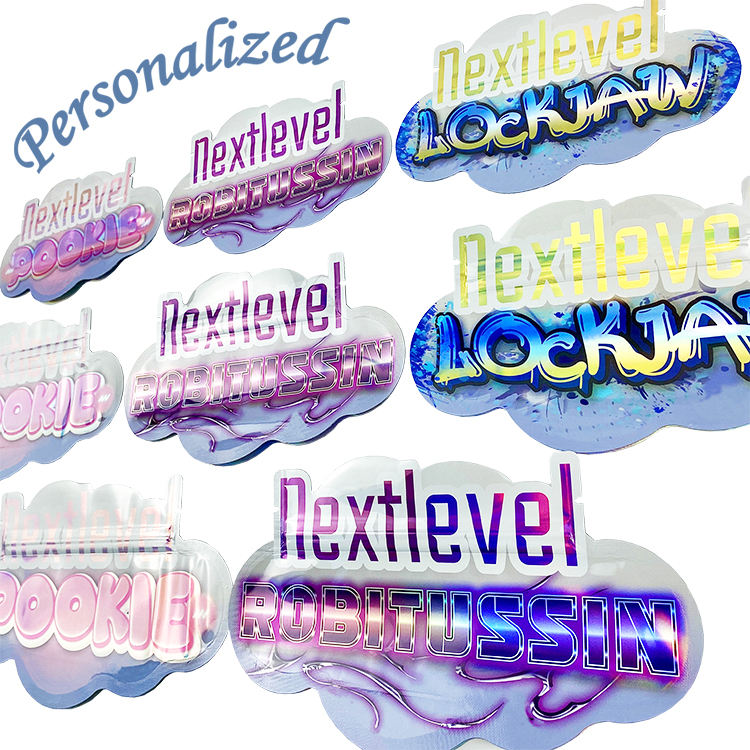
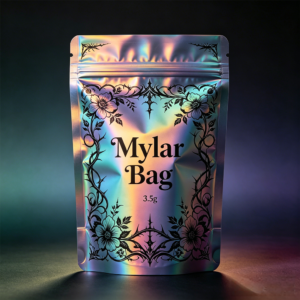
These custom 3.5g 7g Cali holographic mylar bags are die-cut cannabis packaging bags with a resealable zipper, intended for brands packing approximately 3.5 g or 7 g of flower. The holographic appearance gives Cali-themed strain or product artwork a reflective visual effect, while the custom format supports branded packaging programs for cannabis companies, distributors, wholesalers, private-label buyers, and multi-SKU operators. The stated fill weights do not establish one universal pouch size, so the final dimensions, usable volume, headspace, and seal layout should be confirmed against the actual flower density and filling process.
Product Specifications
| Product type | Custom die-cut Mylar cannabis bags |
|---|---|
| Stated fill options | 3.5 g and 7 g; final fit depends on product density and pack dimensions |
| Appearance | Holographic finish or holographic visual effect, subject to final artwork and material specification |
| Closure | Resealable zipper; confirm whether a separate heat seal, tear notch, or other opening feature is required |
| Customization | Custom shape and printed artwork can be specified; artwork area and die line require confirmation |
| Material | Mylar bag format; complete film or laminate structure must be confirmed before production |
| Intended use | Packaging for cannabis flower or other dry products only after contents and destination requirements are reviewed |
| Commercial status | RFQ specification required for dimensions, quantity, structure, artwork, and market requirements |
Fit, Fill Weight, and Headspace
A 3.5 g flower fill and a 7 g flower fill can require different dimensions even when both bags share the same visual concept. Flower density, bud size, moisture condition, trim, and the amount of headspace affect how the product sits inside the bag. A bag that is too tight can compress larger buds or make zipper alignment difficult. A bag that is too large can allow excessive movement, create an untidy presentation, and use more material than necessary.
For an RFQ, provide the actual product dimensions where available, the target fill weight, the approximate density or typical bud size, and whether the contents are filled manually or through a filling line. The supplier should then confirm the flat dimensions, opening position, usable internal area, seal margins, and whether the die-cut profile leaves enough room for the product and artwork. A physical sample or fit check is especially useful when the 3.5 g and 7 g versions must maintain consistent shelf presentation.
Mylar Structure and Barrier Decisions
“Mylar” identifies the bag format used in the product input, but the appearance alone does not define the complete barrier construction. The final film or laminate may be selected according to the required balance of aroma containment, moisture control, oxygen protection, light exposure, puncture resistance, stiffness, and heat sealability. These properties depend on the complete structure, seal design, and production settings rather than on the holographic effect by itself.
A suitable structure can help contain aroma and protect dry flower when the bag is properly sealed. If the product is sensitive to moisture or oxidation, specify the desired protection and ask for the applicable material construction and technical documentation during quotation. A more protective or stiffer laminate may improve handling and barrier performance, but it can affect foldability, die-cut behavior, seal processing, and cost. The selected holographic layer may also influence how fine artwork, color matching, transparent areas, and metallic-looking details appear.
Die-Cut Shape, Zipper, and Seal Configuration
The die-cut format allows the bag outline to become part of the brand presentation instead of using only a standard rectangular silhouette. The shape should be reviewed with the seal geometry and filling method together. Narrow shoulders, sharp corners, or artwork close to the edge can reduce practical seal area or make automated filling less forgiving. Confirm the die line, top seal width, zipper location, opening direction, and any required tear feature before approving artwork.
The zipper supports repeated opening and closing, which is useful for dry flower that may be accessed after the initial opening. It should not automatically be described as child-resistant. If the destination market requires child-resistant packaging, ask whether a separately tested child-resistant closure or compliant packaging system is needed. A heat seal above the zipper may be requested for tamper evidence or initial closure, but that feature is not stated in the product input and must be confirmed as a specification.
Holographic Custom Printing for Cali Product Lines
For Cali bags, the holographic effect can support a recognizable strain family, cultivar series, or California-inspired visual system. Custom printing can be planned around the die-cut outline, zipper position, seal margins, warning or regulatory panels, and the readable area available on each face. Provide final or draft artwork, the number of colors or visual effects required, and whether the same design will be adapted for both 3.5 g and 7 g formats.
Holographic substrates can change the perceived color and contrast of printed ink. White ink, opaque backing areas, transparent artwork, fine text, and metallic effects should therefore be reviewed with a physical proof or supplier artwork guidance before final approval. Keep mandatory information away from folds, the zipper track, and heat-seal zones. Confirm the printable area and dieline rather than assuming that every visible part of the bag can receive identical artwork.
Multi-SKU and Private-Label Procurement
These 3.5g and 7g holographic zipper cannabis bags can be evaluated as part of a broader private-label or multi-SKU packaging program. The key procurement question is whether both fill sizes should share one brand architecture while using separate dimensions, die lines, or artwork files. Strain names, potency panels, batch fields, compliance copy, and product identifiers may change from SKU to SKU, so version control is important.
Before placing a wholesale inquiry, organize the SKU list, target quantity by version, approved artwork, color references, intended material structure, finish expectations, closure requirements, and destination market. Ask the supplier how artwork approvals, sample checks, revisions, and production identification will be handled. Do not assume that a shared holographic appearance means the two sizes have identical barrier, sealing, or filling behavior.
Destination-Market and Compliance Review
Cannabis packaging requirements vary by destination and may address child resistance, tamper evidence, opacity, warnings, labeling space, recyclability, food-contact considerations, and packaging waste. The product input does not establish certification, approval, or compliance status for these bags. The buyer should identify the destination market and intended contents early, then confirm the applicable requirements with the supplier and qualified regulatory or legal advisers.
If these bags will hold flower, confirm whether the final package must include a compliant label, separate tamper-evident feature, child-resistant system, or specific warning area. If the intended contents differ from dry flower, such as edibles or concentrates, reassess grease, moisture, seal, and product-contact requirements rather than relying on the flower-packaging specification.
Frequently Asked Questions
Are these bags available for both 3.5 g and 7 g flower fills?
Yes, the product input identifies 3.5 g and 7 g options. Final bag dimensions should be matched to flower density, bud size, headspace, and the required presentation for each fill weight.
Does the zipper make these bags child-resistant?
No child-resistant performance is stated. The zipper is described as a resealable closure; if child-resistant packaging is required, request a separately specified and appropriately tested solution.
Does the holographic finish define the bag’s barrier performance?
No. Holographic appearance does not by itself establish protection against aroma, moisture, oxygen, light, or puncture. Confirm the complete Mylar film or laminate structure and sealing system.
Can the die-cut shape and artwork be customized for multiple strains?
The product is identified as custom and die-cut, so shape and artwork can be discussed. The buyer should confirm the dieline, printable area, zipper and seal clearances, artwork versions, and quantity by SKU.
Can these bags be quoted for a private-label wholesale program?
Yes, they can be submitted for a B2B RFQ. Include the contents, fill weights, actual product dimensions, desired bag dimensions, quantity, artwork versions, material or barrier needs, closure, finish, filling method, destination market, and compliance requirements.
Request a Product-Specific RFQ
To quote these custom Cali holographic zipper die-cut Mylar bags accurately, send the intended contents, 3.5 g or 7 g fill weight, actual product dimensions or typical flower size, desired pouch dimensions, quantity by SKU, artwork versions, required material or barrier, zipper and heat-seal preferences, holographic finish expectations, filling method, destination market, and compliance needs. This information allows the supplier to review fit, headspace, die-cut geometry, printable area, closure configuration, and the appropriate next-step sample or specification.
Reviews
There are no reviews yet.