
Clear Stand-Up Spout Pouches for Smoothies and Drinks
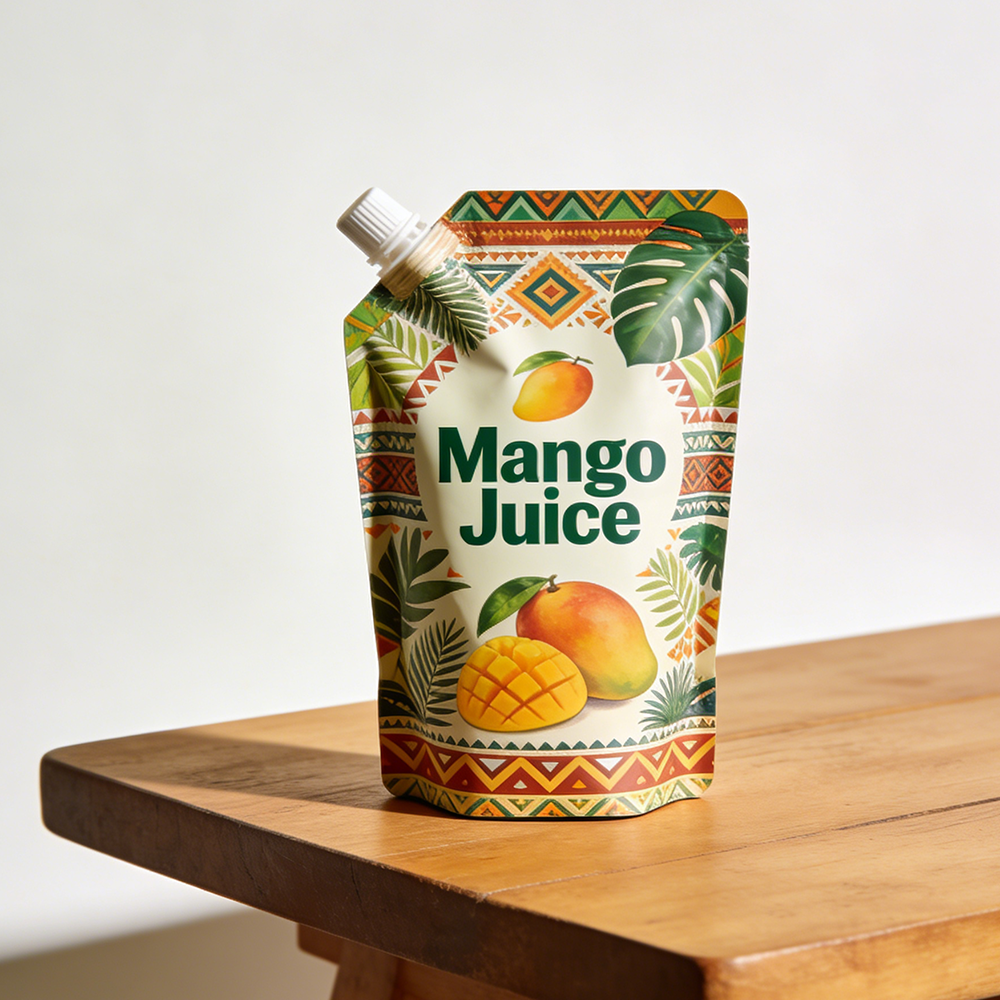
Clear stand-up spout pouches are flexible beverage packages that combine product visibility, an expandable stand-up base and a dispensing spout. This format is intended for smoothies and drinks and may also be evaluated for other pourable products, subject to compatibility testing. It is relevant to beverage brands, cannabis beverage companies, distributors, private-label programs and multi-SKU buyers seeking a lightweight alternative to rigid containers.
Product Specifications
| Product type | Flexible spout pouch for beverages |
|---|---|
| Pouch style | Clear stand-up format with an expandable base or gusset geometry |
| Intended contents | Smoothies and drinks; other liquid compatibility requires confirmation |
| Visibility | Clear pouch body for viewing the packaged product |
| Dispensing feature | Integrated spout; position, diameter and closure details must be specified |
| Material | Clear flexible film or laminate structure, subject to final product requirements |
| Size and capacity | Selected according to fill volume, product density, headspace and filling process |
| Printing | Can be configured for custom printing, subject to artwork and substrate limitations |
| Barrier performance | Depends on the complete laminate, spout fitment and sealing system |
| Process compatibility | Filling temperature, freezing, pasteurization or retort suitability must be confirmed before production |
How the Stand-Up Spout Format Works
These stand-up smoothie packaging pouches use an expandable bottom area to create a broader base after filling. The actual standing stability depends on pouch dimensions, gusset geometry, fill level and the behavior of the beverage. A low-viscosity drink and a dense smoothie may behave differently in the same nominal pouch.
The spout provides a controlled opening for filling or dispensing, depending on the selected production setup. Buyers should confirm spout diameter against product viscosity, pulp, seeds or other particulates. A narrow opening may provide neater dispensing for thin liquids but can restrict a thick smoothie or a beverage containing inclusions.
Clear Film, Barrier and Product Protection
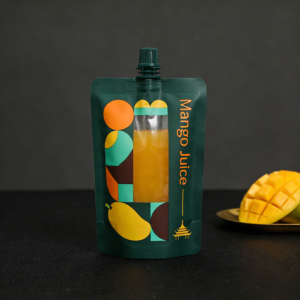
Clear flexible spouted drink pouches allow buyers and consumers to inspect beverage color, texture and fill level. That visibility is a practical merchandising benefit, but it creates a real trade-off: transparent film generally provides less light shielding than an opaque or metallized construction. Light-sensitive ingredients may therefore require a different laminate, a printed coverage strategy or validated shelf-life controls.
Moisture, oxygen and aroma protection cannot be determined from the clear appearance alone. They depend on every layer in the laminate, the integrity of the pouch seals and the connection between the film and spout fitment. A higher-barrier construction may help protect flavor and aroma, but the required structure should be selected from the beverage formulation, expected shelf life and distribution conditions.
Puncture resistance, stiffness and heat sealability are also structure-dependent. The film must tolerate handling while forming reliable perimeter and gusset seals. The beverage, laminate, inks, adhesives, fitment and closure should be assessed as one packaging system rather than as separate components.
Capacity, Headspace and Filling Decisions
A stated beverage volume does not establish one universal pouch size. Usable capacity changes with pouch width, height, gusset depth, seal area, spout placement and the amount of headspace required by the filling process. Product density and foaming behavior can also affect the practical fill level.
Provide either the target fill volume and beverage density or samples for packing evaluation. Automated and semi-automatic filling lines may require specific spout dimensions, fitment orientation and pouch presentation. If the drink is filled hot, frozen after filling, pasteurized or processed under pressure, disclose the complete temperature and process profile before material selection.
Closures, Tamper Features and Cannabis Beverage Use
A spout closure should not automatically be described as tamper-evident or child-resistant. Cap style, tamper feature and opening method must be specified. If the pouch will contain a cannabis-infused beverage, the buyer should identify destination-market rules for child resistance, tamper evidence, serving information, warnings and restricted graphics. Where child resistance is required, request a closure system with applicable testing and documentation rather than assuming an ordinary screw cap qualifies.
Custom Printing and Multi-SKU Programs
Custom printed spout pouches can be configured with brand graphics, flavor identification, preparation instructions, warnings and variable SKU designs. The printable area is affected by the spout, seals, gusset folds and any area intentionally left transparent. Artwork should be built to an approved die line so text and registration-sensitive elements remain clear of these zones.
For private label beverage pouch packaging, buyers should define which elements remain consistent across flavors or formulations. A shared pouch structure, spout specification and visual hierarchy can improve multi-SKU consistency, while separate artwork versions distinguish flavors, strengths or markets. Printing method, finish, color targets and clear-window coverage remain subject to the selected substrate and production specification.
What to Confirm Before Ordering
- Drink type, ingredients, viscosity, particulates and sensitivity to oxygen or light
- Target fill volume, product density, headspace and desired pouch dimensions
- Filling method, spout diameter, fitment position, cap style and tamper requirements
- Fill temperature and any freezing, pasteurization, refrigeration or retort process
- Required laminate, barrier priorities, puncture resistance and seal performance
- Order quantity, artwork versions, printing coverage and finish
- Destination market and applicable food-contact, labeling or cannabis packaging requirements
When evaluating a wholesale spout pouch manufacturer, request a written specification covering the film structure, fitment, closure, dimensions, print construction and intended processing conditions. Final packaging should be tested with the actual beverage and filling equipment before a commercial run.
Frequently Asked Questions
Are these pouches suitable for thick smoothies?
They may be suitable, but the spout diameter and filling setup must match the smoothie’s viscosity and any pulp, seeds or other particulates. Product trials are recommended before finalizing the specification.
Does the clear pouch provide a high oxygen and moisture barrier?
Clear appearance does not establish barrier performance. Oxygen, moisture and aroma protection depend on the complete laminate, seals and spout-fitment system selected for the project.
Can these pouches be used for hot-fill, frozen or retort beverages?
Process suitability is not confirmed by the pouch style alone. Provide the filling temperature, cooling method, storage conditions and full thermal process so an appropriate film, fitment and sealing system can be evaluated.
Is the spout closure child-resistant?
No child-resistant status is established by the product description. If child resistance is required for a cannabis beverage or another regulated product, specify a tested closure system and the documentation required by the destination market.
How is the correct pouch size selected?
Size should be based on fill volume, product density, headspace, gusset geometry, spout position and filling behavior. A physical filling trial can confirm usable capacity and standing stability.
Request a Product-Specific B2B Quotation
For an RFQ, provide the beverage type, viscosity, particulates, target fill volume, desired pouch dimensions, quantity, artwork count, laminate or barrier priorities, spout and closure requirements, finish, filling method, process temperature, destination market and compliance needs. These inputs allow the clear stand-up spout pouch specification to be assessed without relying on unsupported assumptions.
Reviews
There are no reviews yet.