
Custom Printed Wide Mylar Flat-Bottom Bags for Coffee Packaging
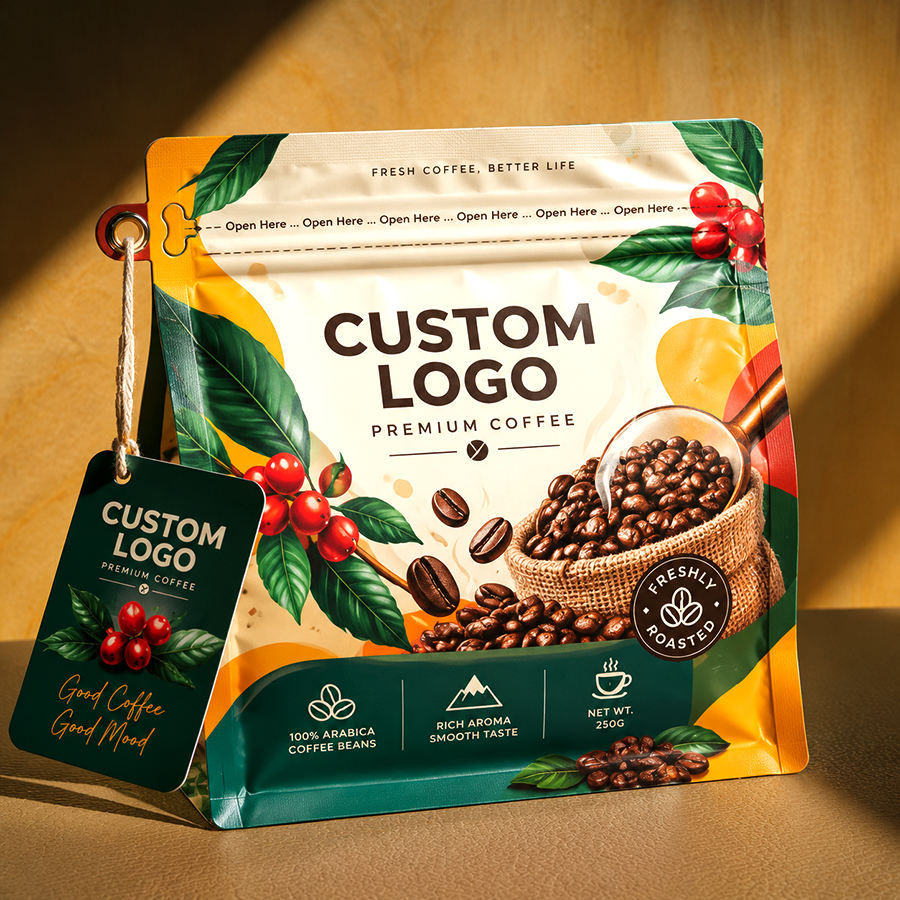
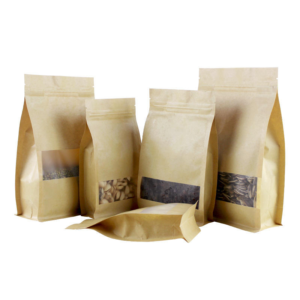
Custom printed wide Mylar flat-bottom bags are flexible coffee packages with a broad front panel, a flat base and made-to-order graphics. They are intended for B2B coffee roasters, private-label brands, distributors, wholesalers and multi-SKU buyers that need shelf-ready packaging for whole beans or ground coffee. The stated product confirms the pouch format, wide profile, Mylar designation, coffee use and custom printing; dimensions, laminate layers, barrier performance, closure and valve requirements must be finalized for each order.
Product Specifications
| Specification | Product detail |
|---|---|
| Product type | Custom printed flexible packaging bag |
| Pouch style | Wide flat-bottom bag |
| Intended contents | Coffee; confirm whole bean, ground coffee or another coffee format |
| Material designation | Mylar; the complete laminate structure must be confirmed |
| Printing | Custom printed; process, color requirements and artwork versions are subject to specification |
| Dimensions and capacity | Not stated; determine from coffee format, fill weight, density and headspace |
| Closure | Confirm zipper, heat-seal-only opening or another requested configuration |
| Degassing valve | Not stated; may be specified when appropriate for the coffee and packing process |
| Finish | Confirm the required visual and tactile finish during quotation |
Wide Flat-Bottom Format and Filling Behavior
The flat base is designed to create a defined bottom footprint when the pouch is filled and formed correctly. Its wide profile provides a prominent front-facing area for brand graphics, roast information and product identification. Depending on the final construction, the side and bottom panels may also carry graphics or required information.
Width alone does not establish capacity. Whole beans, finely ground coffee and coarse grounds have different bulk densities and settling behavior. Buyers should evaluate fill weight, actual product density, desired headspace, sealing clearance and the dimensions of any filling equipment. A filled-pouch trial is more reliable than selecting dimensions from a nominal coffee weight alone.
A genuine trade-off is that a wider face can improve artwork visibility and create a lower-looking pack, but it also increases shelf and shipping-carton footprint. A narrower, taller alternative may use retail space differently. The correct proportion depends on merchandising goals, case packing, filling stability and usable internal volume.
Mylar Laminate and Coffee Barrier Decisions
In flexible-packaging terminology, Mylar commonly indicates a polyester-based film, but the word by itself does not identify every layer in the package. Barrier performance depends on the complete laminate, layer thicknesses, adhesives, seals and any valve or zipper incorporated into the bag. These details should be documented in the approved specification rather than assumed from appearance.
A configured laminate can help limit the movement of moisture and oxygen, contain coffee aroma and reduce exposure to light. It may also provide stiffness, puncture resistance and a heat-sealable inner surface. The required balance depends on whether the pack contains fresh-roasted beans or ground coffee, the expected distribution conditions and the intended shelf-life program. Any numerical oxygen or moisture transmission targets require supplier data and buyer confirmation.
Metallic, matte, gloss or other visual effects do not independently prove barrier performance. Likewise, a clear window may improve product visibility but reduces light protection in that area. Buyers should specify the desired appearance separately from measurable material and barrier requirements.
Closure, Heat Seal and Degassing Options
A zipper, if selected, can support repeated opening by the end user, but the filled bag will generally still require a suitable top heat seal for initial pack integrity. Zipper type, opening direction, tear-notch position and seal width must match the die line and packing method. An ordinary resealable zipper should not be represented as a tested child-resistant closure.
Freshly roasted coffee can release carbon dioxide after roasting. A one-way degassing valve may be configured where the coffee, rest period and packing workflow call for one, but a valve is not confirmed by the product name or image. Valve position, application method and compatibility with the laminate should be agreed before production. Buyers should also confirm whether bags will be filled manually or on automated equipment because this affects pouch opening, top clearance and sealing conditions.
Custom Printing and Multi-SKU Artwork Control
These custom printed coffee pouches can present logos, origin details, roast profile, preparation instructions, lot coding areas and other buyer-supplied content. Available printing process, color handling, white ink, metallic appearance, surface finish and print tolerances depend on the selected substrate and production specification. Artwork must follow the approved die line, including seals, folds, gussets, zipper area, valve position and any tear notches.
For private-label multi-SKU coffee bags, a controlled master layout can keep the logo, mandatory text zones and panel hierarchy consistent while variable artwork distinguishes origins, blends, roast levels or grind formats. Buyers should identify the number of artwork versions at RFQ stage because each version may require separate files, proofing and production planning. Final text and barcode readability should be reviewed at actual printed size.
Food-Packaging and Destination-Market Review
Coffee packaging requirements vary by destination market and sales channel. The buyer should identify applicable food-contact, labeling, traceability, recycling-mark and language requirements. Claims, ingredients, net quantity, business identification and date or lot coding areas should be allocated before artwork approval. No compliance status or certification should be inferred without the relevant documentation for the selected materials and market.
Questions Buyers Ask About These Coffee Bags
Does the Mylar name define the bag’s barrier performance?
No. Mylar identifies a film designation used in packaging, but performance depends on the complete laminate, thickness, seals, closure and valve. Request the proposed structure and any required barrier data for review.
How should the correct bag size be selected?
Use the actual coffee format, fill weight, bulk density, desired headspace, top-seal clearance and filling method. Whole beans and ground coffee can require different usable volumes at the same weight, so a product fill test is recommended.
Is a resealable zipper included?
The input does not confirm a zipper. Specify whether the bag should use a zipper, a heat-seal-only opening or another closure, and confirm its position on the final die line.
Can a degassing valve be added for fresh coffee?
A degassing valve may be configured subject to the selected laminate and production specification. Confirm the coffee’s degassing behavior, packing schedule, valve position and filling process before quotation.
What artwork information is needed for multiple coffee SKUs?
Provide the number of designs, print-ready files, color references, shared master elements, SKU-specific text, barcode needs, coding areas and desired finish. All versions should be checked against the approved pouch die line.
Request a Product-Specific B2B Quotation
For an accurate RFQ for wholesale flat-bottom coffee packaging, provide the coffee format, fill weight, measured bulk density or a product sample if available, desired pouch dimensions, order quantity, number of artwork versions, preferred laminate or barrier requirements, closure, valve, finish and filling method. Also identify the destination market and any food-contact, labeling or documentation needs that must be reviewed. These inputs allow the pouch geometry, material proposal, artwork layout and sealing configuration to be assessed without relying on unsupported capacity assumptions.
Reviews
There are no reviews yet.