
Custom Printed Matte Child-Resistant Cali Mylar Bags for Cannabis Brands
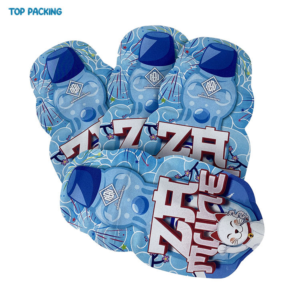
Custom printed matte child-resistant Cali Mylar bags are flexible cannabis pouches identified by their matte appearance, custom-printing capability, Cali bag format, and child-resistant closure. They can be evaluated for cannabis flower, pre-rolls, edibles, or other regulated products, subject to the selected dimensions, interior structure, closure specification, and destination-market requirements. This format is intended for cannabis brands, distributors, wholesalers, private-label and OEM buyers, and procurement teams managing multiple SKUs.
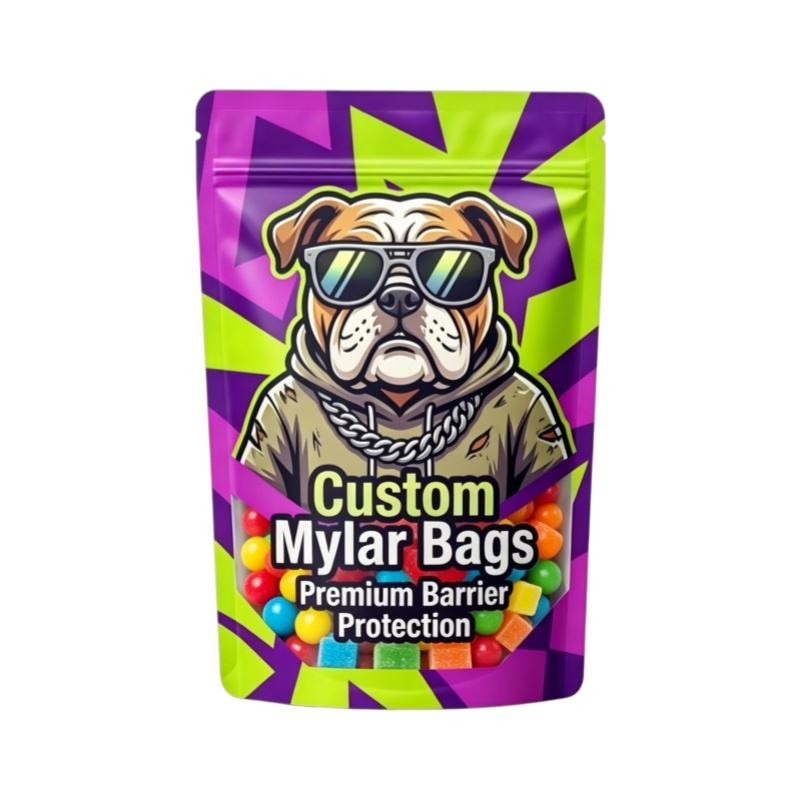
Product Specifications
| Product type | Custom printed Cali-style Mylar bag or flexible cannabis pouch |
|---|---|
| Appearance | Matte finish stated; exact visual effect and print contrast should be confirmed against the selected substrate |
| Closure | Child-resistant closure stated; closure design, testing basis, and applicable market standard require confirmation |
| Material | Mylar terminology is supplied in the product name; the complete film or laminate structure, thickness, and barrier layers require confirmation |
| Printing | Custom printing stated; artwork method, print colors, registration, printable area, and substrate limits require confirmation |
| Intended contents | Can be specified for cannabis flower, pre-rolls, edibles, or another product after reviewing fill geometry and barrier needs |
| Dimensions and capacity | Not stated; confirm flat dimensions, usable internal volume, fill weight, product density, and headspace |
| Commercial configuration | Suitable for private-label, OEM, ODM, wholesale, and multi-SKU discussions; quantity and production terms require quotation |
What the Cali Mylar Bag Format Means for Procurement
The word Cali identifies a recognizable bag style or commercial naming convention, but it does not by itself define the pouch dimensions, laminate, barrier rating, closure performance, or legal suitability for a particular market. Buyers should therefore treat the product name as a starting point for specification rather than a complete technical datasheet. A final RFQ should state whether the bag is intended for flower, pre-rolls, edibles, or another cannabis SKU.
For flower, actual density can vary significantly between strains and batches. A stated fill weight does not establish one universal pouch size. The right sample should be assessed with the intended product to check usable volume, headspace, seal placement, zipper access, and visual presentation. Pre-rolls require a different review of length, diameter, internal movement, and crush risk. Edibles may require closer attention to moisture, grease resistance, resealability, serving information, and any food-contact requirements applicable to the destination market.
Material, Barrier, and Seal Decisions
Mylar is commonly used as commercial shorthand for a polyester-based flexible packaging film, but the product name alone does not confirm the complete laminate. The final structure may be configured with different layers or thicknesses depending on the required balance of aroma containment, moisture control, oxygen protection, light protection, puncture resistance, stiffness, printability, and heat sealability. Ask for the proposed structure and technical data before treating any performance as established.
A suitable barrier structure can help contain aroma and protect contents from environmental exposure when the pouch is correctly filled and sealed. It is not accurate to assume that a matte exterior automatically provides odor resistance, moisture protection, or light blocking. Similarly, a heavier or stiffer film may improve handling and puncture resistance while reducing flexibility or affecting sealing conditions. Confirm the sealing temperature range, seal width, seal compatibility, and whether the chosen closure is suitable for the filling line.
The matte finish supports a subdued, non-glossy presentation and may reduce visible reflections on shelf or display surfaces. It can also change how dark colors, fine text, metallic effects, and small regulatory panels appear. Request a physical or digital proof that shows the intended artwork on the proposed substrate. If a transparent window, metallic effect, or special coating is requested, review how that choice changes light exposure, print registration, and the available information area.
Child-Resistant Closure and Opening Design
The product is identified as child-resistant, but an ordinary resealable zipper should not automatically be treated as a tested child-resistant system. Confirm the exact closure mechanism, opening sequence, operating instructions, testing documentation, and standard required in the destination market. If the bag also includes a heat seal, determine whether the commercial pack is intended to remain heat sealed until first opening and whether the child-resistant feature is used for subsequent resealing.
A tear notch can improve first-opening convenience, but its position must not interfere with the child-resistant closure, top seal, artwork, or required warning information. The supplier should confirm the relationship between notch height, zipper or closure placement, seal geometry, and filling equipment. These details matter when a brand is ordering several sizes or using automated or semi-automated packing.
Custom Printing for Multi-SKU Cannabis Programs
Custom printing allows a brand to coordinate strain names, product types, flavor or cultivar information, brand marks, and market-specific panels across a product family. For multi-SKU purchasing, define which elements remain consistent and which change by SKU. A shared die line and common closure can simplify procurement, while separate artwork versions may still require careful proof control and version approval.
Before artwork production, request the dieline and identify the printable front, back, side, gusset, closure, and seal areas. Confirm bleed, safe zones, barcode placement, small text legibility, color references, and whether the matte surface alters contrast. The printable area can be limited by gussets, rounded corners, seals, notches, closures, and any window or special finish. Artwork approval should also include the exact legal information required for each destination market.
Size, Filling, and Quality-Control Checks
Specify both the product and the bag. Useful inputs include actual product dimensions, target fill weight, density range, desired finished pouch dimensions, headspace preference, and filling method. For flower, evaluate how the product settles and whether excess headspace affects appearance or handling. For pre-rolls, check whether the internal space allows movement that could damage the contents. For edibles, test the expected oil, moisture, and temperature conditions with the proposed film and seal.
For a production sample or pre-production approval, inspect print alignment, matte consistency, closure operation, tear-notch placement, seal integrity, odor containment expectations, and resistance to puncture during normal handling. If barrier data, migration information, child-resistant test evidence, or other documentation is required, list it in the RFQ rather than assuming it is included. Destination-market rules can differ, so the buyer remains responsible for confirming the packaging requirements that apply to the finished product.
Frequently Asked Questions
Are these bags suitable for cannabis flower?
They can be evaluated for cannabis flower, but the correct size depends on flower density, target fill weight, usable volume, headspace, closure position, and seal design. Test the intended product in a representative sample before approving a size.
Does the matte finish prove that the bag is smell proof?
No. Matte describes the exterior appearance and does not establish the laminate or barrier performance. The selected structure and a proper seal may help contain aroma, but buyers should confirm the construction and any required test data.
Is the child-resistant closure already certified for every market?
No market-wide certification should be assumed from the product name. Confirm the exact closure, testing basis, operating instructions, and destination-market standard before purchase.
Can one bag program support several cannabis strains or SKUs?
Yes, custom printing can be discussed for multiple artwork versions, but confirm the shared dimensions, closure, material, print area, color control, version management, and quantity requirements for each SKU.
What information is needed for a quotation?
Provide the contents, fill weight or actual product dimensions, desired pouch dimensions, quantity, artwork versions, material or barrier preference, closure, finish, filling method, destination market, and required compliance documentation.
Request a B2B Specification and Quote
For a useful quotation on custom printed matte child-resistant Cali Mylar bags, send the intended contents, fill weight or actual product dimensions, desired bag dimensions, estimated quantity, artwork versions, preferred material or barrier, closure requirements, matte or other finish details, filling method, destination market, and compliance or testing needs. These inputs allow the proposed pouch, closure, print layout, and technical documentation to be reviewed as one packaging specification.
Reviews
There are no reviews yet.