
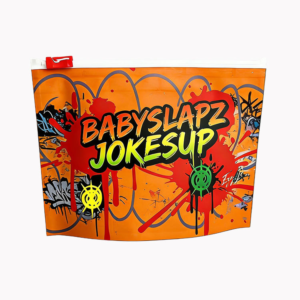
Food-Grade Child-Resistant Mylar Zip Bags for 3.5g–28g Cannabis Packaging
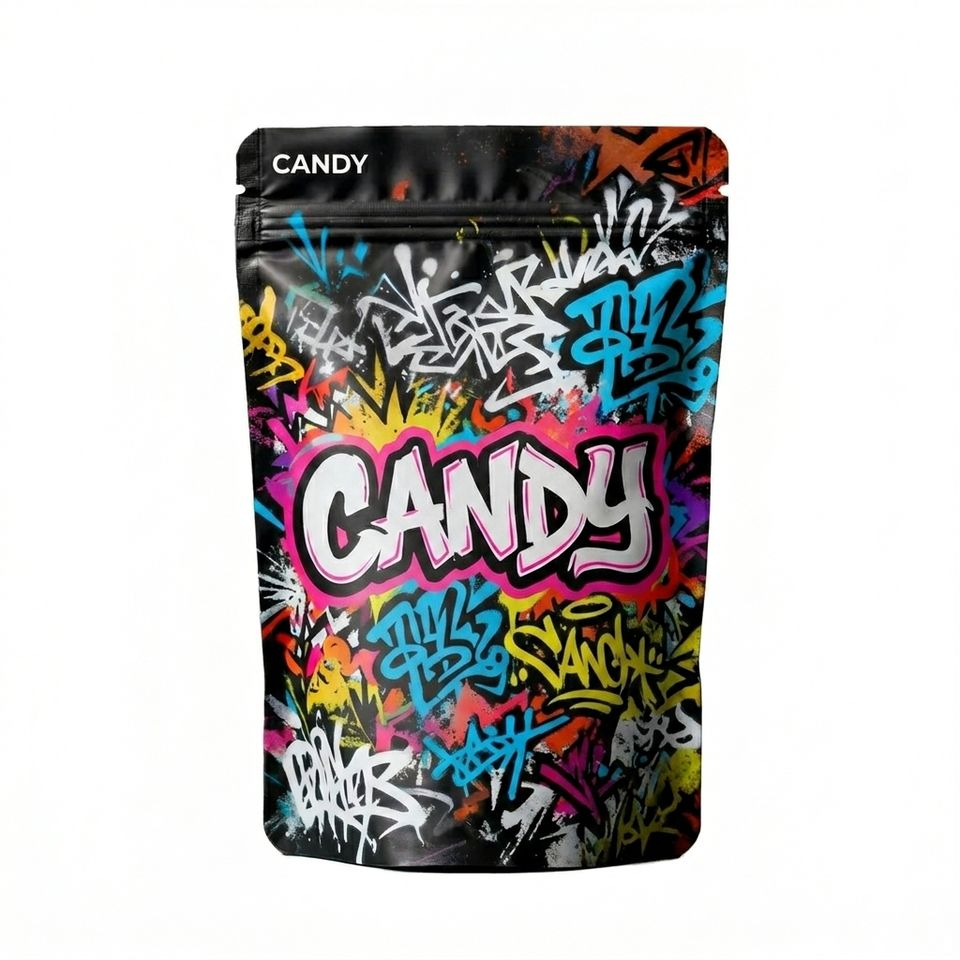
These food-grade child-resistant Mylar zip bags are flexible packaging for B2B cannabis brands, distributors, wholesalers, private-label buyers, OEM/ODM programs, and multi-SKU product lines. The stated fill range is 3.5g–28g, while the correct pouch dimensions must be confirmed against the actual product density, bulk, shape, headspace, and filling process. The defining specification is the combination of a food-grade Mylar bag format, a resealable zip feature, and a child-resistant closure configuration.
Product Specifications
| Product type | Mylar zip bag for flexible product packaging |
|---|---|
| Stated fill range | 3.5g–28g; final usable volume and dimensions require confirmation |
| Food-contact description | Described as food-grade; buyers should confirm the applicable food-contact documentation for the selected structure and destination market |
| Closure | Child-resistant zip closure; confirm the specific closure design and any required testing |
| Material | Mylar packaging film; complete laminate or barrier structure is subject to final specification |
| Typical B2B use | Packaging for compatible cannabis products, subject to product, market, and compliance requirements |
| Printing and finish | Custom printing, artwork, and finish options may be available depending on substrate and production specification |
Match the Bag to Product Density and Headspace
A stated 3.5g–28g range does not mean one universal bag size will suit every cannabis SKU. Flower density, trim, moisture condition, particle size, and the desired presentation affect how much space the contents occupy. A dense product may fit a narrower pouch, while a light, bulky product may need more width, height, or gusset volume. Excess headspace can increase movement during distribution and make the package look underfilled; insufficient headspace can stress the seals and make filling inconsistent.
For a quotation, provide the actual fill weight and, where possible, the product’s approximate dimensions or bulk volume. A sample fill test can help confirm usable volume, opening access, seal position, and whether the zip track remains easy to operate after filling. These checks are especially useful when one bag format must support several strains or product variants.
Mylar Structure, Barrier Selection, and Sealing
Mylar is the stated packaging material, but the complete laminate—not the appearance alone—determines barrier behavior. Depending on the selected structure, the bag may be configured to help limit moisture transfer, aroma escape, oxygen exposure, light transmission, and puncture risk. A metallic or opaque appearance does not by itself prove a particular oxygen or moisture barrier, and a clear window would trade product visibility against light protection.
For aromatic cannabis products, a suitable structure and properly sealed top area can help contain aroma. This should be discussed as a performance target rather than an unconditional “smell proof” guarantee. Barrier performance also depends on seal temperature, dwell time, pressure, contamination in the seal area, and the compatibility of the filling line with the film. Confirm the required barrier structure and any OTR, MVTR, seal-strength, or other test requirements before approving production; none are established by the product name alone.
Child-Resistant Zip Function versus Ordinary Resealability
The product is described as child-resistant, but buyers should distinguish a child-resistant closure from an ordinary press-to-close zipper. A resealable zip can help protect the contents after opening, while child resistance depends on the specific closure design, operating method, construction, and any applicable test protocol. Confirm how the bag is opened, whether a heat seal is used above the zip, and whether the selected destination market requires documented testing or particular warnings.
A heat seal can provide an additional tamper-evident or production-sealing step when specified, but it does not automatically establish child resistance. Tear notches, opening position, zip alignment, and seal width should be reviewed together because each affects consumer access and filling-line performance. The final specification should state which closure features are required rather than relying on the general term “child-resistant.”
Custom Printing and Multi-SKU Artwork Control
For custom printed Mylar weed bag packaging, confirm the printable area, safe margins, seal zone, opening location, and any limitations created by the chosen laminate or finish. Matte, gloss, metallic, holographic, or kraft-style effects may be considered depending on the substrate and print process, but visual finish does not define the barrier structure. Artwork should reserve space for the product identity, variable strain or flavor information, net contents, required warnings, batch or lot marking, and other destination-market information.
Multi-SKU buyers should establish a common dieline and a controlled artwork system before ordering. Confirm whether every SKU uses the same dimensions, closure, finish, and material structure, or whether differences require separate specifications. Consistency in logo position, color references, barcode clearance, variable data space, and seal-safe areas can reduce approval errors across private-label and wholesale programs. Request a digital proof or physical sample before authorizing production where the design, fit, or opening behavior is critical.
Destination-Market and Food-Contact Review
“Food-grade” is a product description, not a substitute for destination-specific documentation. The importer, brand owner, or distributor should identify the market where the packaged product will be sold and confirm applicable cannabis packaging, child-resistance, labeling, food-contact, recycling, and warning requirements. Requirements can differ by jurisdiction and product category. Confirm whether the selected laminate, inks, adhesives, closure, and printing process are acceptable for the intended use.
For cannabis flower, also review aroma containment, product protection, resealability, and required label area. If the bag will hold an edible or another product with grease or moisture concerns, provide those conditions during specification because they may influence the required inner contact layer and barrier structure. Documentation, testing, and compliance status must be confirmed for the exact finished configuration rather than inferred from a generic bag description.
RFQ Information for Wholesale and OEM Programs
To evaluate this packaging efficiently, send the contents, fill weight, actual product dimensions or bulk volume, desired pouch dimensions, estimated quantity, number of artwork versions, material or barrier target, closure preference, finish, filling method, destination market, and compliance needs. State whether the program requires one common format for multiple strains or several pouch sizes for the 3.5g–28g range. Also identify whether the top will be heat sealed, whether a tear feature is needed, and what information must remain outside the seal zone.
Frequently Asked Questions
Can one bag size package every product from 3.5g to 28g?
Not necessarily. Product density, bulk volume, shape, headspace, and filling method determine the practical pouch size. Confirm the actual product dimensions and perform a fill evaluation before selecting one format for the full range.
Are these child-resistant bags the same as ordinary resealable cannabis pouches?
No. The product is described as child-resistant, while ordinary resealable pouches may only use a conventional zipper. Confirm the exact closure design and any testing required for the destination market.
Does the Mylar material guarantee odor or moisture protection?
No. Aroma, moisture, oxygen, light, and puncture performance depend on the complete laminate and sealing system. A suitable structure and properly sealed bag may help contain aroma, but the required barrier and test data should be confirmed.
Can the bags be custom printed for several cannabis strains?
Custom printing and multiple artwork versions may be configurable, depending on the selected substrate, print process, and safe printable area. Confirm the dieline, seal zone, variable-data space, finish, and proofing process for each SKU.
What should a buyer include in an RFQ?
Include contents, fill weight, actual product dimensions or bulk volume, desired pouch dimensions, quantity, artwork versions, material or barrier target, closure, finish, filling method, destination market, and compliance needs.
Request a B2B Packaging Quote
Request an RFQ for these 3.5g–28g bags by sharing your contents, fill weight or actual product dimensions, desired pouch dimensions, quantity, artwork versions, material or barrier requirements, closure, finish, filling method, destination market, and compliance needs. Those details allow the final bag structure, child-resistant closure, artwork layout, and multi-SKU approach to be reviewed against your application.
Reviews
There are no reviews yet.