
Custom Printed Tobacco Pouches in Mixed Formats for B2B Packaging Programs
Custom printed tobacco pouches in mixed formats are flexible printed packaging bags configured for tobacco, hemp flower, cannabis flower where permitted, pre-roll components, herbal blends, or related dry products that need branded, multi-SKU pouch presentation. The defining attribute is format flexibility: buyers can plan a coordinated pouch family across different pouch styles, artwork versions, finishes, and closure choices instead of treating every SKU as an unrelated package.
These pouches are intended for cannabis brands, tobacco distributors, wholesalers, private-label programs, OEM/ODM buyers, importers, and multi-SKU purchasers that need consistent print quality and specification control before requesting a quotation. Final material, dimensions, barrier level, closure, and compliance features must be confirmed against the actual product, filling method, and destination market.
Product Specifications
| Product type | Custom printed flexible tobacco pouches in mixed formats |
|---|---|
| Intended contents | Tobacco, hemp flower, legal cannabis flower, herbal blends, and related dry pouch-packed products, subject to buyer confirmation |
| Pouch formats | Can be configured as stand-up, flat, shaped, or other flexible pouch formats depending on final specification and dieline |
| Material structure | Configurable flexible laminate; may include PET, PE, PP, metallized film, foil, kraft paper, or other structures depending on barrier, finish, and sealing needs |
| Closure options | May include resealable zipper, heat seal area, tear notch, or child-resistant closure when specified and validated for the target market |
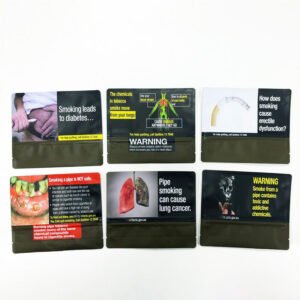
| Printing | Custom printed artwork for brand, strain, flavor, warning, barcode, and multi-SKU graphics; final method and color standard subject to artwork review |
| Finish options | May include matte, gloss, soft-touch, metallic, holographic, kraft-look, window, or spot effects depending on substrate and artwork limits |
| Dimensions and capacity | Not universal; buyer should confirm fill weight, product density, pouch dimensions, usable volume, headspace, and case-packing needs |
| Compliance status | Must be checked for the destination market; no approval or certification is implied without selected test documents and final artwork review |
What “Mixed Formats” Means for Procurement
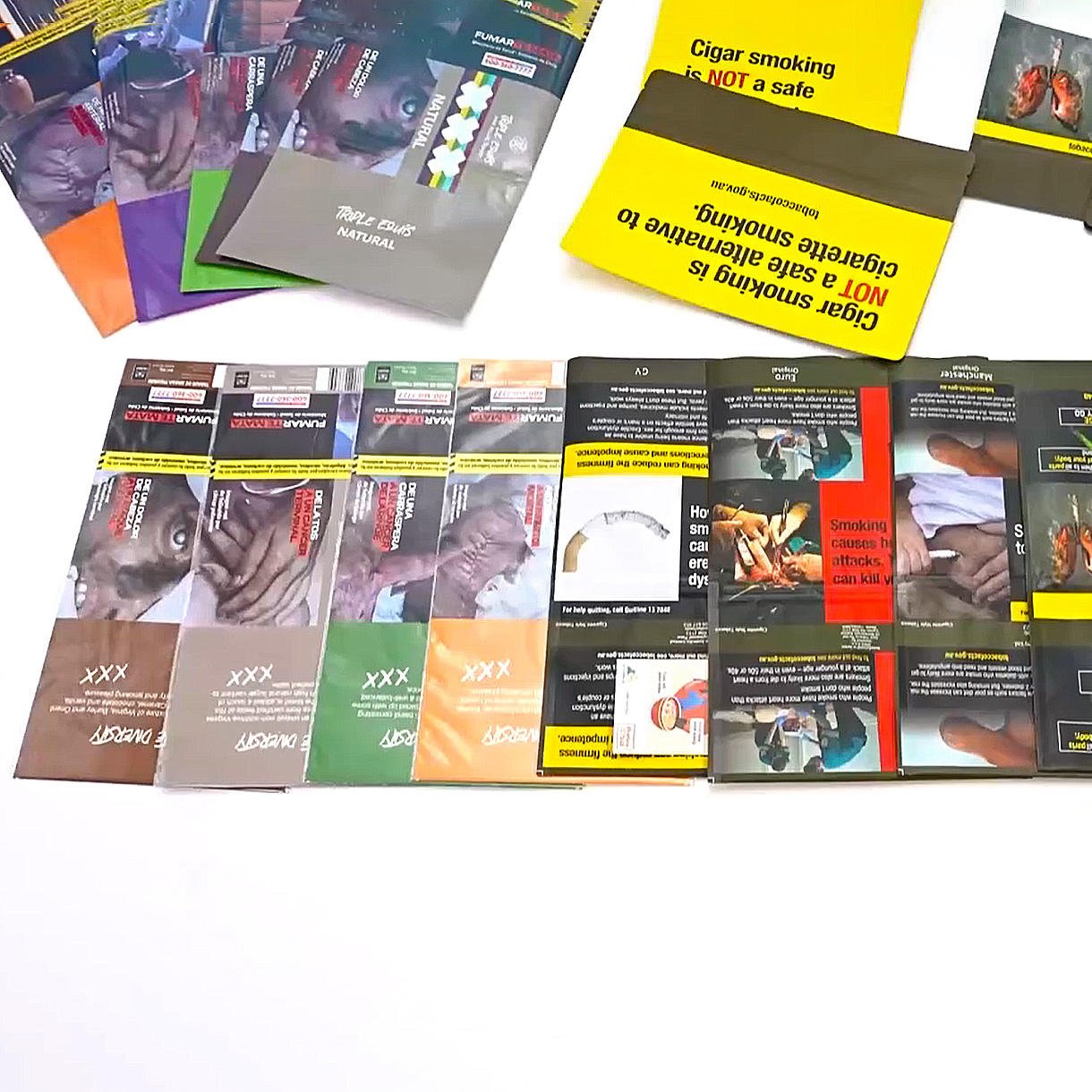
Mixed format flexible tobacco pouches are useful when a buyer wants one coordinated packaging program for several pack sizes or product types. A brand may need a flat pouch for a small sample, a stand-up pouch for loose tobacco or flower, and a shaped promotional pouch for a limited SKU. The advantage is not simply variety; it is the ability to align logo placement, color system, warning panels, barcode zones, finish, and material family across multiple commercial items.
For private label tobacco pouch packaging, this matters because retailers and distributors often manage many SKUs at once. Consistent dieline discipline helps reduce artwork mistakes, while controlled print specifications help keep strain, flavor, or blend families recognizable on shelf. If your project includes multiple artwork versions, separate every SKU by size, format, finish, closure, and language requirements before RFQ.
Material, Barrier, and Aroma Control Considerations
The pouch’s odor, moisture, oxygen, light, and puncture behavior depends on the complete laminate and the sealing system, not on one marketing word. A metallized or foil-containing structure can improve light and aroma barrier compared with a basic transparent film, while a paper-look outer layer may support a natural appearance but still requires an inner sealant layer for heat sealing. A clear window improves product visibility but can reduce light protection in that window area.
For dry tobacco, hemp, and cannabis flower, the package should help contain aroma and slow moisture exchange when properly sealed. Buyers comparing smell resistant pouch structures should confirm the laminate, zipper type, seal width, filling cleanliness, and whether the pouch will be heat sealed after filling. No flexible pouch should be treated as an absolute odor guarantee without the final structure and closure being tested under real use conditions.
Pouch Style, Fill Behavior, and Usable Volume
A stated fill weight does not define one universal pouch size. Loose tobacco and flower vary by cut, dryness, compression, particle size, and density. A fluffy product may need more headspace than a compact blend at the same gram weight. Stand-up pouches use a bottom gusset that improves shelf presence and filling stability, but the gusset also affects usable volume, seal geometry, and case packing. Flat pouches use less material and can suit sample packs, but they offer less standing display area.
For pre-roll related contents or narrow accessories, pouch width, internal movement, and crush risk become more important than volume alone. For edible-adjacent or infused products, buyers should separately evaluate grease resistance, moisture control, food-contact expectations, warning space, and destination rules. The best format is selected from product geometry, filling line requirements, retail display, and compliance artwork—not from nominal capacity alone.
Closures: Zipper, Heat Seal, Tear Notch, and Child-Resistant Options
A standard resealable zipper helps users reopen and close the pouch after first use, but it is not the same as a tested child-resistant closure. Many tobacco and cannabis pouch programs combine a top heat seal for tamper evidence with a zipper below it for consumer reuse. Tear notches can improve opening consistency, but their position must be coordinated with the artwork, seal area, and zipper location.
If your destination market requires child-resistant packaging, specify that requirement at the beginning of the project. Child-resistant mechanisms may change pouch thickness, opening force, filling behavior, artwork space, and cost structure. Buyers reviewing child-resistant packaging options should confirm whether the selected closure is appropriate for the product type, consumer instructions, and local rule set.
Custom Printing, Artwork Control, and Multi-SKU Consistency
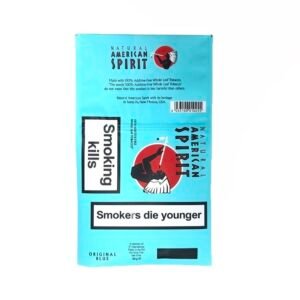
Custom printed pouch packaging can include brand graphics, strain names, tobacco blend names, flavor indicators, warning panels, net weight declarations, QR codes, barcodes, batch areas, and distributor information. Artwork should be built on the confirmed dieline, because gussets, zipper tracks, heat seal zones, hang holes, tear notches, and rounded corners reduce the usable print area.
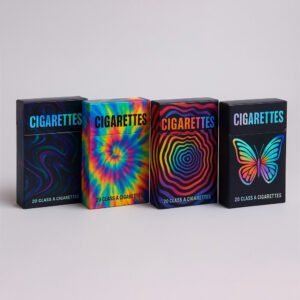
Finish selection also creates trade-offs. Matte finishes can look premium and reduce glare, but they may show rub marks more than gloss in some logistics conditions. Metallic or holographic effects can create high shelf impact, but they may limit barcode contrast or warning-panel readability if not controlled. Kraft-look or paper-based surfaces support a natural appearance, but the actual barrier still depends on the inner laminate.
For buyers developing several versions at once, a controlled artwork matrix is recommended. List each SKU, pouch format, front-panel name, back-panel text, color, barcode, destination market, and finish. If you are building a wider branded system, review related custom printed packaging bags so pouch graphics and other bag formats remain aligned.
Compliance and Market-Specific Review
Tobacco, hemp, marijuana, and cannabis packaging rules differ by country, state, province, and sales channel. A pouch may need specific warnings, age statements, THC or nicotine-related language, universal symbols, opacity, resealability, tamper evidence, child-resistance, batch information, or non-appealing-to-children design controls. These requirements must be confirmed before final artwork approval.
Packaging suppliers can support specification development, but the brand owner or importer should verify final labeling and packaging obligations with qualified regulatory counsel or the relevant authority. Do not assume that a pouch approved for one market is automatically acceptable in another market, especially when the same artwork family is used for tobacco, hemp, and cannabis-adjacent SKUs.
Custom Development Process
- Requirement collection: Confirm contents, fill weight or actual product dimensions, target pouch formats, destination market, closure preference, and number of artwork versions.
- Specification confirmation: Select tentative laminate, pouch size, gusset, zipper or closure, heat seal area, finish, and print requirements based on product and filling behavior.
- Sample and artwork review: Check dieline fit, artwork readability, barcode area, opening position, pouch feel, and whether the selected structure suits the intended contents.
- Bulk-production approval: Approve the final specification, print files, material structure, closure details, and packing requirements before mass production proceeds.
Buyer FAQ
Can one pouch size be used for every tobacco or flower fill weight?
No. Product density, cut, dryness, compression, and desired headspace affect usable volume. Buyers should test the actual product in the proposed pouch size before final approval.
Are these pouches automatically smell proof?
No absolute odor claim is implied. A suitable laminate and closure can help contain aroma when properly sealed, but performance depends on the complete structure, zipper, heat seal, and filling quality.
Can mixed formats share the same brand design?
Yes, a coordinated artwork system can be developed across stand-up, flat, shaped, or other pouch formats, but each format needs its own dieline and safe print area.
Is a resealable zipper the same as child-resistant packaging?
No. A regular resealable zipper supports repeated opening and closing, while child-resistant packaging requires a specific closure approach and should be evaluated against the destination market’s requirements.
What should be prepared before requesting a quote?
Prepare the contents, fill weight or product dimensions, desired pouch format and size, quantity, artwork versions, laminate or barrier preference, closure type, finish, filling method, destination market, and compliance needs.
RFQ Information for Custom Printed Tobacco Pouches
For an accurate B2B quotation, provide the product to be packed, fill weight or actual dimensions, target pouch dimensions, preferred mixed formats, order quantity, number of artwork versions, material or barrier expectations, closure type, finish, filling method, shipping or case-packing needs, destination market, and any tobacco, hemp, or cannabis compliance requirements that must be reflected in the pouch specification.
Reviews
There are no reviews yet.