
Custom Child Resistant Glass Edible Jars for Cannabis Edibles
Custom child resistant glass edible jars are rigid cannabis edible containers made from glass with a child-resistant closure system for brands, distributors, wholesalers, and private-label buyers packaging gummies, chocolates, mints, tablets, infused snacks, or similar portioned edibles. They are selected when a buyer wants a more premium rigid pack than a pouch, better product visibility when clear glass is specified, and a closure format that can support regulated cannabis retail requirements when the final configuration and documentation are confirmed for the destination market.

Product Specifications
| Product type | Custom child resistant glass edible jars |
|---|---|
| Intended contents | Cannabis edibles such as gummies, chocolates, mints, tablets, candies, and portioned infused products; final suitability depends on edible size, surface oil, moisture sensitivity, and fill method. |
| Primary material | Glass jar body; color, wall profile, finish, and decoration to be confirmed by specification. |
| Closure | Child-resistant closure system; exact mechanism, liner, torque range, and compliance documentation must be confirmed before procurement. |
| Capacity and dimensions | Not stated in the input; buyer should confirm target fill weight, edible count, usable volume, headspace, jar diameter, and height. |
| Customization | May be configured with label application, direct decoration, cap color, finish options, and multi-SKU artwork depending on tooling, artwork, and order specification. |
| Procurement use | Suitable for OEM, ODM, private-label, wholesale, and multi-SKU cannabis edible packaging programs. |
What This Jar Is Designed to Package
Glass cannabis edible jars are commonly considered for products that need a rigid retail presentation and controlled reclosure after opening. Gummies and candies may need room to prevent compression or sticking. Chocolates and coated edibles may require confirmation of grease interaction, temperature handling, and liner compatibility. Tablets, lozenges, and mints usually require attention to rattle, count accuracy, and label space for warnings and serving information.
A stated edible weight does not automatically determine one universal jar size. The buyer should evaluate product density, edible shape, count per unit, and the headspace needed for filling and consumer access. A jar that looks appropriate for one 100 mg gummy format may be inefficient for another product with larger pieces, different serving count, or thicker warning label requirements.
Glass Body, Aroma Control, Moisture, and Light Trade-Offs
Glass provides a rigid, non-flexible container format and can support a premium shelf appearance for cannabis and marijuana edible lines. The jar body itself does not flex like a pouch, which helps reduce crushing of delicate pieces during normal handling. However, package performance depends on the complete system: glass body, neck finish, cap, liner, closure engagement, and any secondary seal.
For aroma management, a properly matched closure and liner can help contain edible aroma when the jar is closed, but this should not be described as a permanent zero-odor guarantee. Buyers comparing rigid jars with smell resistant packaging should confirm liner material, cap fit, closure torque, and whether a tamper-evident or induction-seal option is needed for the selected product.
Clear glass supports product visibility, which can be useful for colorful gummies or premium edibles. The trade-off is reduced light protection compared with amber, opaque, sleeved, labeled, or carton-supported formats. If cannabinoids, colors, flavors, or edible coatings are light sensitive, the buyer should evaluate tinted glass, full-wrap labeling, secondary cartons, or other light-management strategies.
Child-Resistant Closure and Edible Safety Considerations
The phrase child resistant edible packaging refers to a closure system intended to make access more difficult for children while remaining accessible to adults under the applicable test method. It is not enough to choose a cap that feels difficult to open. The final cap, liner, jar neck, instructions, and documentation must be reviewed together for the destination market and product category.
For cannabis edibles, buyers should distinguish child resistance from tamper evidence and from ordinary resealability. A child-resistant cap addresses access control. Tamper-evident packaging indicates whether a package may have been opened. A resealable closure allows repeated opening and closing after first use. These functions may be combined in one pack, but each must be specified. For a deeper packaging-feature comparison, review child resistant packaging requirements before locking the cap design.
Customization for Private Label and Multi-SKU Edible Lines
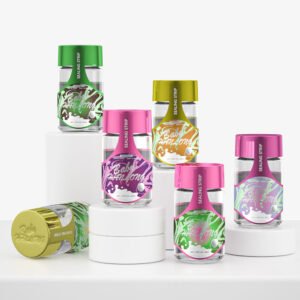
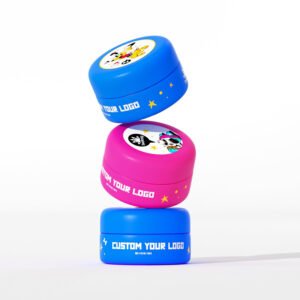
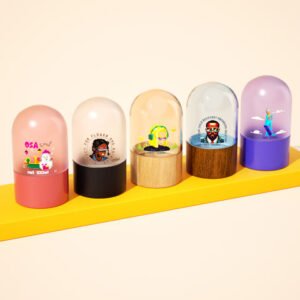
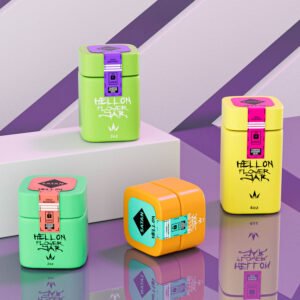
Custom printed marijuana edible jars can be developed for brand families, strain-inspired edible lines, dosage tiers, flavor collections, or regional compliance artwork. Decoration may include pressure-sensitive labels, cap printing, shrink sleeves, direct printing, frosting, metallic effects, or matte finishes depending on the selected jar and cap structure. Each decoration route affects cost structure, color control, label area, recyclability considerations, and how quickly artwork can be changed across SKUs.
For private label cannabis jars, procurement teams should define which elements stay consistent and which change between SKUs. Common fixed elements include jar size, cap color, logo position, warning panel structure, and barcode placement. Variable elements may include flavor name, cannabinoid ratio, serving count, batch field, terpene notes, state-specific warning text, and color coding. A consistent dieline or label template can make multi-SKU rollouts easier to manage and reduce artwork errors during repeat orders.
Food-Contact and Cannabis Compliance Points to Confirm
Because these jars are intended for edibles, food-contact suitability must be reviewed with the final glass, cap, liner, ink, adhesive, and decoration method. The input confirms the product type, not a specific food-contact certification, cannabis approval, or market authorization. Before an RFQ becomes a purchase specification, buyers should identify the destination market, edible format, direct-contact surfaces, labeling obligations, and any document requirements expected by their distributor, co-packer, or regulator.
Warning icon space, universal cannabis symbols, nutrition or supplement-style panels, ingredient lists, allergen declarations, lot coding, and child-resistant instructions can all affect the usable decoration area. Buyers can use food packaging compliance guidance to prepare questions, then confirm the exact documentation required for the final specification.
Custom Development Process
- Requirement review: Share edible type, fill weight, piece count, product dimensions, desired shelf presentation, destination market, and whether the jar needs additional tamper evidence.
- Specification confirmation: Confirm glass size, usable volume, cap mechanism, liner, decoration method, finish, artwork area, and compliance-document expectations.
- Sample review: Evaluate fit, opening force, headspace, label readability, edible loading, closure feel, and visual appearance using actual or representative product.
- Bulk-production approval: Approve final artwork, color references, cap and jar specification, packing requirements, and quality checkpoints before mass production is released.
FAQ: Custom Child Resistant Glass Edible Jars
Are these jars suitable for gummies and chocolates?
They can be suitable for gummies, chocolates, candies, mints, tablets, and similar cannabis edibles, but the final jar size, liner, headspace, and decoration must be matched to the actual product dimensions, surface oil, moisture sensitivity, and filling process.
Does child resistant mean the jar is automatically compliant?
No. Child resistance is a packaging function that depends on the complete jar and closure system, applicable test method, documentation, labeling, and destination-market rules. Compliance should be confirmed against the final specification.
Can the jars be custom printed for private label programs?
Yes, the jars may be configured for private-label and multi-SKU branding through labels, cap decoration, sleeves, direct decoration, or finish options depending on the selected jar, artwork, and production specification.
Should I choose clear, amber, or opaque glass?
Clear glass improves product visibility, while amber, opaque, sleeved, or heavily labeled formats can help reduce light exposure. The best choice depends on shelf presentation, cannabinoid or color sensitivity, and labeling requirements.
What information is needed for an accurate RFQ?
Provide edible type, fill weight, piece count, actual product dimensions, target jar dimensions or capacity, cap requirement, liner needs, artwork versions, decoration method, quantity, filling method, destination market, and compliance-document expectations.
Request a B2B Specification Review
For an RFQ, send the edible format, fill weight or piece count, desired jar capacity, actual product dimensions, closure and tamper-evident needs, cap and glass appearance, artwork versions, quantity, filling method, destination market, and any food-contact or cannabis compliance documents you need reviewed before production planning.
Reviews
There are no reviews yet.