
Clear Window Stand-Up Pouches for Snacks and Cannabis Products
Clear window stand-up pouches are flexible food-grade snack bags that combine an upright display format, visible product window, and self-sealing function. They are relevant to snack producers, cannabis brands, edible manufacturers, distributors, wholesalers, and private-label buyers that need product visibility and repeated opening convenience. The selected dimensions, laminate, closure mechanism, printing, and regulatory details must be confirmed for each intended product and destination market.
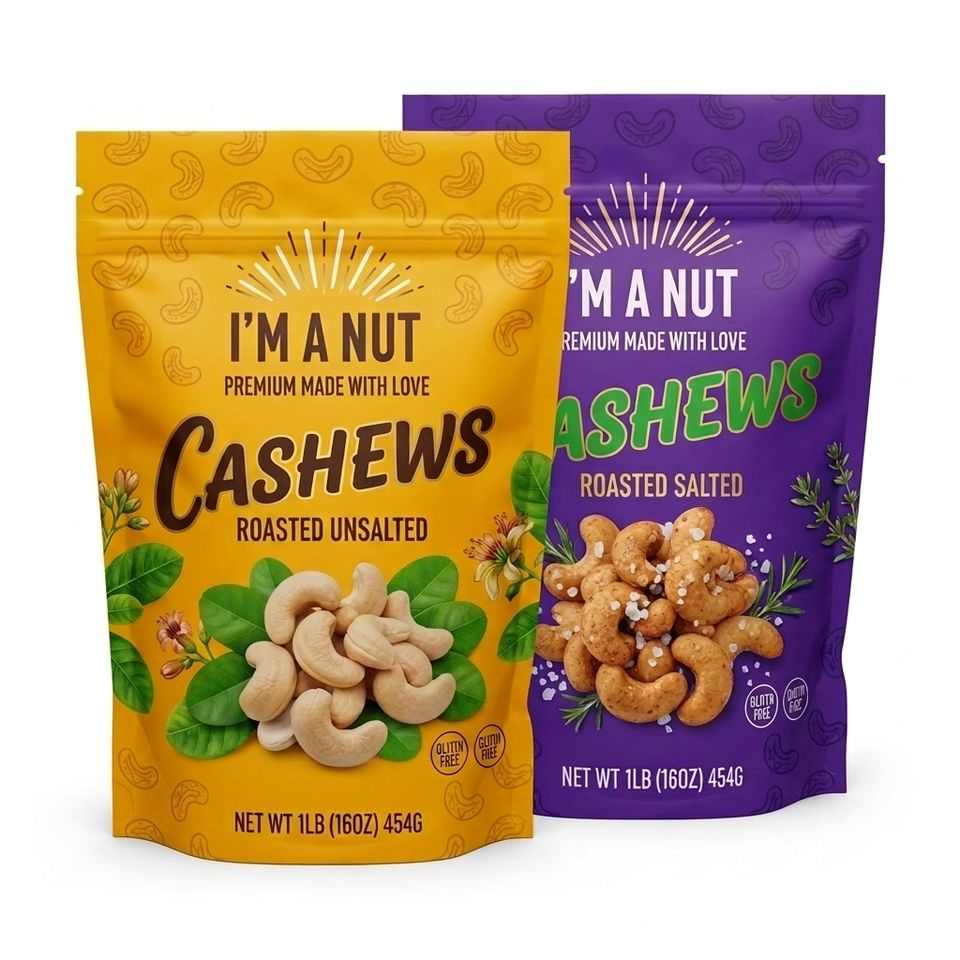
Product Specifications
| Product type | Flexible stand-up pouch |
|---|---|
| Intended contents | Snack products; suitability for cannabis flower, edibles, or related products depends on the selected specification and applicable rules |
| Window | Clear product-viewing window |
| Closure | Self-sealing function; the exact closure design and resealing method require confirmation |
| Base format | Stand-up construction; gusset dimensions and load behavior require confirmation |
| Food-contact positioning | Described as food-grade; buyers should request documentation appropriate to the final structure, contents, and destination market |
| Material structure | Flexible film or laminate composition to be specified according to barrier, stiffness, sealing, and window requirements |
| Size and capacity | To be selected using product dimensions, density, fill weight, headspace, and filling method |
| Printing and finish | May be configured for custom artwork and finishes, subject to the chosen substrate and production specification |
| Compliance features | Food-contact, labeling, child-resistant, and cannabis-market requirements must be evaluated for the destination jurisdiction |
What This Pouch Format Is Designed to Do
These food-grade clear window snack pouches place the contents inside a flexible package with a base that can expand for upright presentation. A stand-up format can improve shelf organization and provide front and rear panels for branding, ingredients, warnings, instructions, batch information, or regulatory text. Actual standing stability depends on pouch width, gusset geometry, film stiffness, fill distribution, and product weight.
The clear window allows buyers or consumers to inspect color, texture, shape, and approximate quantity without opening the package. This can be useful for dried snacks, confectionery, baked goods, cannabis flower, or certain edibles. Product compatibility still needs review because oily, sharp, moist, or highly aromatic contents place different demands on the laminate and seals.
Barrier Structure and the Clear-Window Trade-Off
Barrier performance comes from the complete film structure, window construction, seals, and closure rather than from appearance alone. A configured laminate may help limit moisture transfer, oxygen exposure, aroma loss, and external odor transmission when properly sealed. The required structure should be chosen around shelf-life objectives and the sensitivity of the packed product; no transmission rate or permanent smell-proof performance is implied without testing.
The central trade-off is visibility versus light protection. A clear window displays the contents, but it also admits more light than an opaque or metallic area. Light-sensitive cannabis flower, infused foods, or color-sensitive snacks may need a smaller window, strategic window placement, secondary storage controls, or a different laminate design. Metallic-looking, kraft-style, matte, or glossy surfaces do not by themselves establish the pouch’s barrier properties.
Size, Gusset, Fill Weight, and Headspace
A stated fill weight does not determine one universal pouch size. Cannabis flower density varies by cultivar and moisture condition, while snacks vary in shape, trapped air, fragility, and settling behavior. Buyers should assess actual product volume as well as nominal weight. Adequate headspace is needed to keep contents away from the closure and upper heat-seal area.
The bottom gusset influences usable volume and how the pouch behaves during manual or automated filling. An undersized pouch can be difficult to close cleanly, while an oversized pouch can permit excess movement, make the pack look underfilled, or increase artwork area unnecessarily. Samples should be evaluated with the real product whenever possible.
Self-Sealing, Resealing, and Child Resistance
Self-sealing cannabis packaging bags can provide convenient repeated access, but the exact mechanism must be identified during quotation. If the design uses an ordinary press-to-close zipper, that zipper helps users reclose the pouch after opening; it is not automatically a tested child-resistant closure. A separate top heat seal may be specified to provide initial pack integrity before the first opening, and tear notches may be considered for opening control.
Cannabis buyers must determine whether the destination market requires child-resistant, tamper-evident, or other regulated packaging. Those functions require the appropriate closure design, package testing, documentation, and production specification. They should not be inferred from the terms self-sealing or resealable.
Custom Printing and Multi-SKU Programs
Custom printed clear window pouches may be developed with brand colors, product photography, strain names, flavor identification, dosage information, warnings, and variable SKU distinctions. The available print area is affected by the clear window, gusset, seal margins, zipper position, tear area, and final die line. Fine text, barcodes, and mandated symbols should be checked at actual production size.
For private-label multi-SKU pouch packaging, a shared pouch architecture can support visual consistency across strains, flavors, or product families. Buyers should define which elements remain common and which change by SKU. Window placement, color control, finish, closure height, and panel layout should remain aligned where operational consistency matters. Printing method, color tolerances, artwork setup, and substrate limitations are subject to the final manufacturing specification.
Food and Cannabis Procurement Checks
- Product compatibility: Identify whether the contents are dry, greasy, moist, sharp-edged, fragile, aromatic, or light-sensitive.
- Filling process: Confirm manual or automated filling, expected sealing equipment, seal temperature requirements, and contamination risks in the seal area.
- Market requirements: Review food-contact documentation, cannabis warnings, serving information, child-resistant rules, and labeling obligations for each destination.
- Performance needs: Define desired moisture, oxygen, aroma, puncture, stiffness, and light-management functions without relying on appearance alone.
- Pack validation: Evaluate the finished pouch with the actual contents, intended fill weight, distribution conditions, and storage environment.
Frequently Asked Questions
Are these pouches completely smell proof?
No absolute smell-proof performance should be assumed. The pouch may help contain aroma when properly sealed, but odor resistance depends on the complete laminate, window, closure, seals, contents, and storage conditions.
Does self-sealing mean the pouch is child-resistant?
No. A self-sealing or ordinary resealable closure is not automatically child-resistant. Cannabis applications may require a specifically designed and tested child-resistant package for the destination market.
Can one pouch size be used for every snack or cannabis fill weight?
No. Appropriate size depends on actual product volume, density, shape, headspace, gusset expansion, and filling method. The real product should be assessed rather than selecting dimensions from fill weight alone.
Can the clear window be combined with custom printing?
It may be possible to combine a clear window with custom artwork. Window position, print coverage, seal margins, finish, color requirements, and the production die line must be coordinated in the final specification.
Are these pouches suitable for cannabis edibles?
They may be configured for certain cannabis edibles, subject to grease and moisture needs, food-contact documentation, closure requirements, labeling space, product testing, and the laws of the destination market.
Request a Product-Specific B2B Quotation
For an RFQ from a wholesale stand-up pouch supplier, provide the intended contents, actual product dimensions or fill weight, desired pouch dimensions, order quantity, number of artwork versions, window preference, material or barrier objectives, closure type, finish, filling and heat-sealing method, destination market, and applicable food or cannabis compliance needs. These inputs allow the pouch structure, gusset, artwork layout, and closure specification to be reviewed without relying on unsupported assumptions.
Reviews
There are no reviews yet.