
Custom 3.5g circle-shaped die-cut Mylar bags for distinctive cannabis packaging
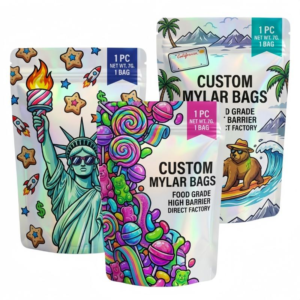
Custom 3.5g circle-shaped die-cut Mylar bags are shaped flexible pouches intended for a cannabis flower format where a non-rectangular silhouette supports stronger shelf differentiation. The stated 3.5g designation is a target fill reference, not a universal pouch size: flower density, grind, headspace, seal geometry, and the desired finished dimensions must be confirmed before production. These bags are relevant to cannabis brands, private-label programs, distributors, wholesalers, and multi-SKU buyers that need one coordinated package format with different strain or product artwork.
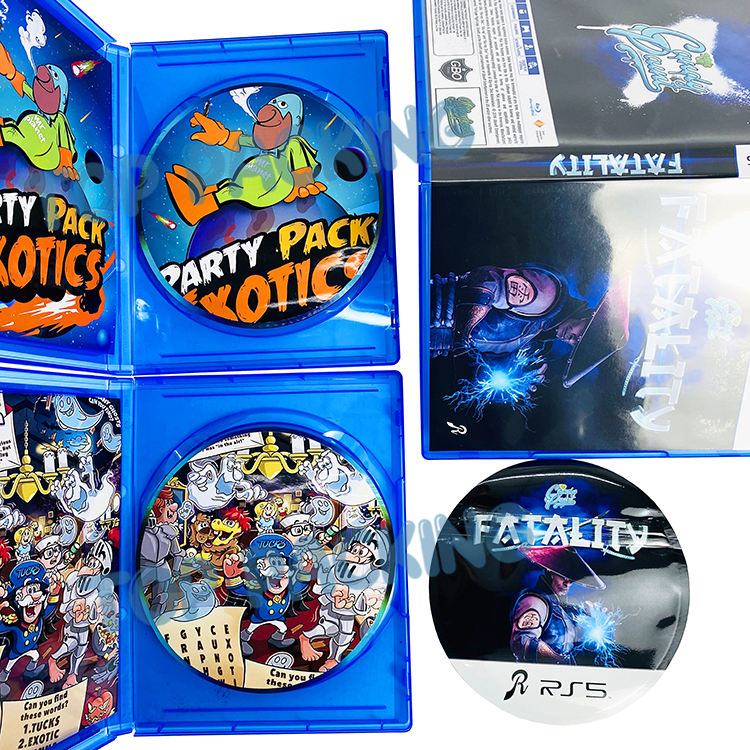
Product Specifications
| Product type | Custom circle-shaped, die-cut flexible cannabis bag |
|---|---|
| Stated fill reference | 3.5g; final usable capacity depends on flower density, dimensions, and headspace |
| Material | Mylar bag format; the complete film or laminate structure requires confirmation |
| Intended use | Potentially suitable for cannabis flower packaging, subject to product, market, and compliance requirements |
| Shape | Circle-shaped die-cut format |
| Printing | Custom printing can be specified; artwork area and print process require review |
| Closure and sealing | Closure type, heat-seal design, tear notch, and resealability require buyer confirmation |
| Dimensions and order details | Confirm finished dimensions, tolerances, quantity, samples, and production terms in the RFQ |
How the shaped format affects filling and usable capacity
A circle-shaped bag does not behave like a standard rectangular pouch. The die line, opening position, perimeter seals, and internal corner transitions determine how much area remains usable after sealing. A nominal 3.5g flower fill can occupy different volumes depending on density, moisture condition, particle size, and whether the product is loosely or compactly filled. Excessive headspace can allow more movement during handling, while insufficient headspace can make filling and sealing inconsistent.
Before approving the dieline, provide the actual flower dimensions or a representative sample, the target fill weight, the preferred headspace, and the intended filling method. Manual filling, semi-automatic filling, and automated filling may require different opening dimensions and seal allowances. A production sample or physical mock-up can help verify that flower does not sit in the seal area and that the circular shape remains visually balanced after filling.
Mylar structure, barrier decisions, and aroma containment
Mylar identifies the bag format used in the product name, but appearance alone does not establish the complete barrier structure. A selected film or laminate may be configured for different balances of flexibility, stiffness, puncture resistance, moisture control, oxygen resistance, light protection, and heat sealability. The exact result depends on the layers, thickness, seal settings, and manufacturing tolerances confirmed for the project.
For cannabis flower, the package specification should address aroma, moisture, oxygen, and light exposure. A suitable barrier structure can help contain aroma and protect the contents when the bag is properly sealed, but “smell resistant” is not a permanent performance guarantee without defined material, seal, and test requirements. A high-barrier metallic structure may provide stronger light protection, while a clear or partially transparent feature can improve product visibility but may increase light exposure. This is a practical trade-off between presentation and protection, so the desired shelf appearance should be decided alongside the barrier requirement.
Closure, opening, and seal configuration
Confirm whether the package needs an ordinary resealable zipper, a heat seal, a tear notch, or a combination of these features. A zipper can support repeated opening and closing, but it does not automatically make a package child-resistant. If the destination market requires child-resistant packaging, specify the required closure system and request the documentation or testing applicable to that market. Do not treat a standard zipper as a tested child-resistant closure.
For a shaped pouch, the zipper position and heat-seal width must work with the circular die line. A tear notch can improve opening convenience, but its placement should not compromise the sealed barrier or interfere with the printed design. If the buyer wants a tamper-evident presentation, the required seal format and verification method should be stated in the specification rather than assumed from the bag shape.
Custom printing, artwork, and multi-SKU consistency
Custom printed cannabis Mylar bags can support strain names, product identifiers, brand graphics, and market-specific information across a distinctive silhouette. The final printable area is smaller than the overall bag footprint because of the die line, seal zones, opening feature, and any required quiet areas. Ask for a dieline before completing artwork, and keep essential text away from the perimeter where trimming or sealing may reduce legibility.
Matte, gloss, metallic, holographic, or other visual effects should be treated as finish selections rather than proof of a particular barrier level. Confirm the substrate, ink or print process, color expectations, registration tolerance, and whether the same finish will be used across all SKUs. For multi-SKU programs, provide a master artwork system, approved color references, variable-data rules, and a clear list of strain or product versions. This helps maintain consistent dimensions and brand recognition while reducing errors between artwork files.
Procurement checks for private-label and wholesale programs
These private-label cannabis packaging bags may fit a private-label or OEM/ODM packaging program, but commercial suitability depends on the final specification and destination market. A buyer should align the product fill, bag dimensions, laminate, closure, printing, and compliance information before requesting a quotation. If multiple products will use the same shape, confirm whether the contents require different headspace, barrier, or opening requirements.
Destination-market rules can affect warning language, cannabinoid or product information, child-resistant requirements, labeling space, and food-contact or other packaging documentation. Requirements vary by jurisdiction and product category. The buyer remains responsible for confirming the applicable rules with qualified regulatory counsel or the relevant authority; the bag description alone does not establish approval or compliance.
Questions buyers should confirm before ordering
Is the 3.5g designation a guaranteed capacity?
No. It is the stated fill reference for the product. Actual capacity depends on flower density, product condition, headspace, finished dimensions, and seal allowances. Confirm the target fill using a representative product sample.
Can the circle-shaped bag be used for cannabis flower?
It is a cannabis packaging format that can be evaluated for flower, but the buyer should confirm the intended contents, required barrier, aroma goals, dimensions, filling method, and destination-market requirements before approval.
Does the Mylar material automatically provide a fixed barrier level?
No. Barrier performance depends on the complete film or laminate structure and the sealing system. Request the proposed structure and any relevant specifications needed for moisture, oxygen, light, puncture, and aroma-control decisions.
Can I request a zipper or child-resistant closure?
Closure options must be specified and confirmed. An ordinary resealable zipper is different from a tested child-resistant closure, so provide the destination market and required documentation or testing criteria.
Can one circle-shaped format support several strain SKUs?
Potentially, if the same dimensions, barrier, closure, and filling method work for every product. Confirm each SKU’s fill behavior, artwork version, regulatory text, and headspace before standardizing the format.
Request a product-specific RFQ
For a useful quotation on these custom 3.5g circle-shaped die-cut Mylar bags, send the contents, target fill weight, actual product dimensions or sample, desired bag dimensions, estimated quantity, number of artwork versions, material or barrier preference, closure and tear-notch requirements, finish, filling method, destination market, and applicable compliance needs. Ask the supplier to confirm the dieline, usable fill area, seal geometry, proposed structure, print limitations, and any required sample or specification review before final approval.
Reviews
There are no reviews yet.