
3.5g Irregular-Shaped Mylar Bags for Custom Cannabis Packaging
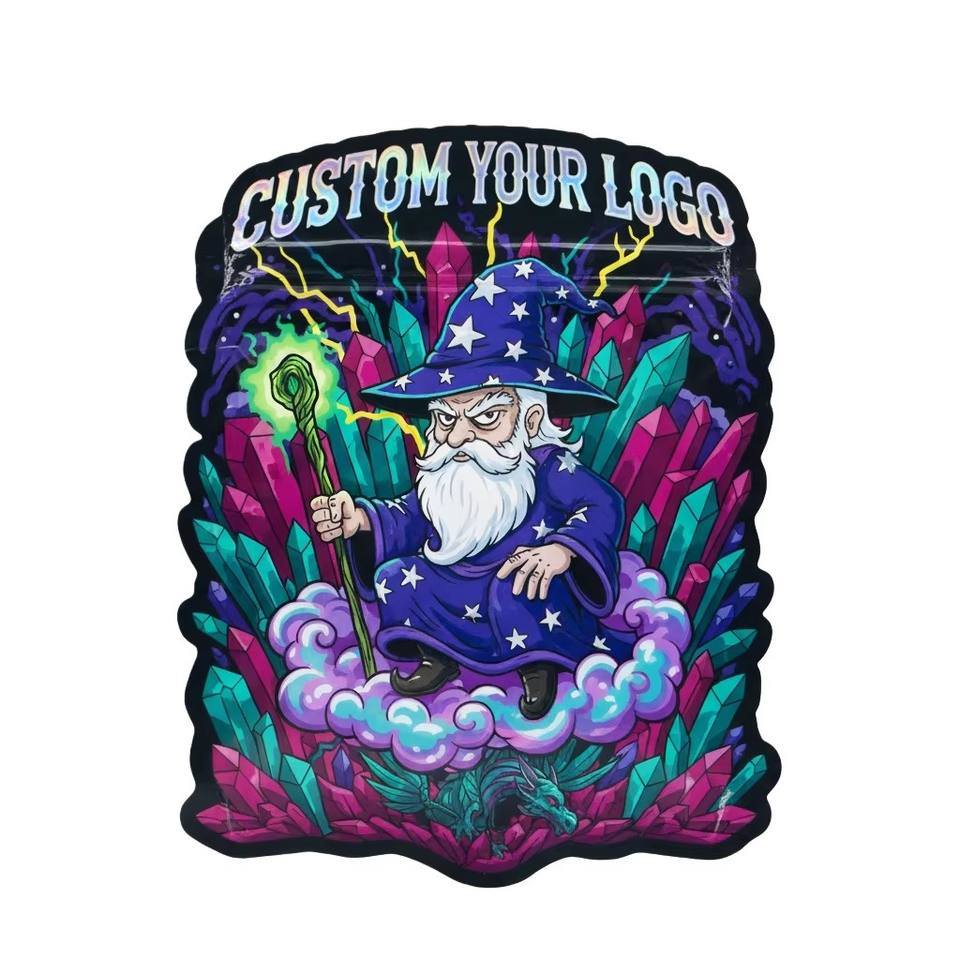
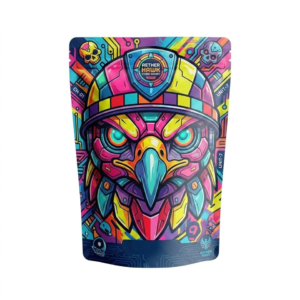
These 3.5g irregular-shaped Mylar bags are food-grade resealable pouches for cannabis brands, distributors, wholesalers, and private-label buyers that need a distinctive package for a nominal 3.5g fill. The irregular die-cut shape gives the bag a non-standard visual profile, while the resealable format supports repeated access when the closure is properly used. The stated fill weight does not establish one universal bag size because flower density, product geometry, headspace, seal width, and filling equipment all affect the required dimensions.
Product Specifications
| Product type | Irregular-shaped resealable Mylar bag |
|---|---|
| Nominal fill reference | 3.5g; confirm the actual product volume and density before sizing |
| Material designation | Mylar; confirm the complete laminate or barrier structure for the application |
| Food-contact positioning | Food-grade product description; confirm destination-market requirements and supporting documentation |
| Closure | Resealable closure; confirm zipper construction and whether a separate heat seal is required |
| Shape | Irregular or custom die-cut profile; confirm die line, seal geometry, and opening location |
| Printing and finish | Confirm artwork, print process, color requirements, finish, and printable area |
| Exact dimensions | Not stated; buyer confirmation required |
Fit, Volume, and Filling Behavior
A 3.5g flower fill can occupy different volumes depending on trim, density, moisture condition, and how tightly the product is loaded. Ask for the actual product dimensions or a representative sample rather than selecting a pouch from weight alone. Headspace must leave enough room for the product to settle without entering the zipper or top seal. Excess headspace can increase movement and reduce shelf presentation; insufficient headspace can make filling difficult and place stress on the seal area.
The irregular profile should be evaluated with the intended filling method. Manual filling, semi-automatic filling, and automated equipment may require different opening widths, tolerances, and seal clearances. A shaped pouch can improve shelf differentiation, but its non-rectangular usable area may be less efficient than a standard pouch for high-speed filling, palletization, or tightly packed cartons. Confirm the finished die line, internal usable area, bottom and side seal dimensions, and the position of the zipper before approving artwork or tooling.
Mylar Structure and Product Protection
The word Mylar identifies the stated packaging material, but the complete laminate determines the practical barrier behavior. Depending on the selected structure, the bag may be configured to help limit moisture transfer, oxygen exposure, light transmission, aroma escape, or puncture risk. These effects depend on the film layers, thickness, seal design, and manufacturing controls, not on the appearance of the outside film alone.
For cannabis flower, a suitable structure may help contain aroma when the bag is properly sealed, but “smell resistant” should be confirmed against the finished construction rather than treated as an absolute performance claim. Flower can also abrade or puncture a flexible package if sharp stems or excessive compression are present. Confirm the intended barrier level, seal integrity requirements, and handling conditions with the packaging supplier. For food products or edibles, review moisture, grease, aroma, and food-contact needs for the destination market before finalizing the structure.
Resealable Closure and Seal Decisions
The stated resealable format is useful for products that may be opened more than once. A zipper can support consumer access and reclosing, while a separate heat seal may provide initial tamper evidence or additional protection if the design includes one. These are different functions: a regular zipper should not be described as a tested child-resistant closure. If the destination market requires child-resistant packaging, request a specifically tested closure system and the documentation applicable to that market.
Opening position matters on an irregular-shaped pouch. The zipper needs adequate alignment and clear space above the product so it can close without flower, crumbs, or edible residue entering the track. Ask for samples filled with the actual product to check opening force, reseal performance, seal clearance, and whether the unusual shape affects handling.
Custom Printing, Finish, and SKU Control
Custom printing can turn the irregular silhouette into a recognizable cannabis or food-product format for a brand, strain, flavor, or private-label program. Provide the final die line before preparing production artwork. The printable area may not follow a conventional rectangle, and critical information should remain clear of zipper tracks, heat-seal zones, fold lines, and trim edges.
Confirm the intended substrate, ink and finish compatibility, color references, matte or gloss preference, and whether the design uses metallic, transparent, or other visual effects. A decorative finish does not by itself prove a specific moisture, oxygen, light, or aroma barrier. For multi-SKU orders, lock the common dimensions, closure position, and core material first, then manage variable artwork for strains, flavors, weights, or markets. This can improve consistency while reducing the risk that important regulatory or product information shifts between versions.
Destination-Market and Procurement Review
Before issuing an RFQ, identify the country or jurisdiction where the bags will be filled and sold. Confirm applicable cannabis, food-contact, labeling, warning, recycling, child-resistance, and tamper-evidence requirements with the responsible compliance team. “Food-grade” in a product description does not replace destination-market review or any documentation required for the final packed product.
Procurement teams should also verify whether the selected structure supports the planned filling environment, storage conditions, and distribution handling. Request the technical construction, finished dimensions, tolerance information, closure details, print proof process, and any available material or testing documentation that is relevant to the purchase. Do not approve a 3.5g format solely from the nominal weight.
Frequently Asked Questions
Are these bags sized specifically for 3.5g of cannabis flower?
The product has a nominal 3.5g reference, but exact dimensions are not stated. Flower density, shape, headspace, and filling method determine the correct usable volume, so confirm the actual product and desired pouch dimensions before production.
Can the irregular shape be used for custom branding?
Yes, the irregular profile can be considered for custom branding, subject to the final die line, printable area, seal geometry, finish, and selected substrate. Artwork should be reviewed against the approved production outline.
Does the resealable zipper make the bag child-resistant?
No. A standard resealable zipper and a tested child-resistant closure are separate specifications. If child resistance is required, request the appropriate closure system and destination-market documentation.
Can these Mylar bags help control cannabis aroma and moisture?
Depending on the complete laminate and sealing system, the bag may help contain aroma and limit moisture or oxygen transfer when properly sealed. Performance should be confirmed for the selected construction rather than inferred from the word Mylar alone.
What should a buyer provide for a quotation?
Provide the contents, actual fill weight and product dimensions, desired pouch dimensions, quantity, artwork versions, material or barrier target, closure preference, finish, filling method, destination market, and applicable compliance needs.
Request a Product-Specific RFQ
For an accurate quotation on these 3.5g irregular-shaped Mylar bags, send the intended contents, actual fill weight and product dimensions, desired pouch dimensions or sample, quantity, number of artwork versions, material or barrier requirements, resealable or heat-seal preference, finish, filling method, destination market, and compliance documentation needs. The supplier can then review the die line, usable volume, headspace, closure clearance, print area, and structure against your production requirements.
Reviews
There are no reviews yet.