
Custom Windowed Wrap Glass Storage Jars
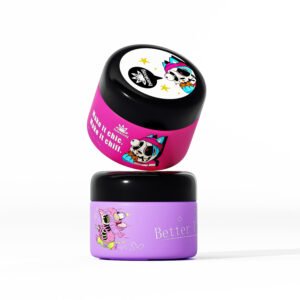
Custom windowed wrap glass storage jars are rigid glass containers finished with a custom wrap label that leaves a clear viewing window for the packaged contents. For cannabis brands, distributors, wholesalers, OEM buyers, and multi-SKU private-label programs, this format is useful when the buyer wants the premium feel of glass, strong shelf presentation, and a controlled product-view area without leaving the entire jar exposed.
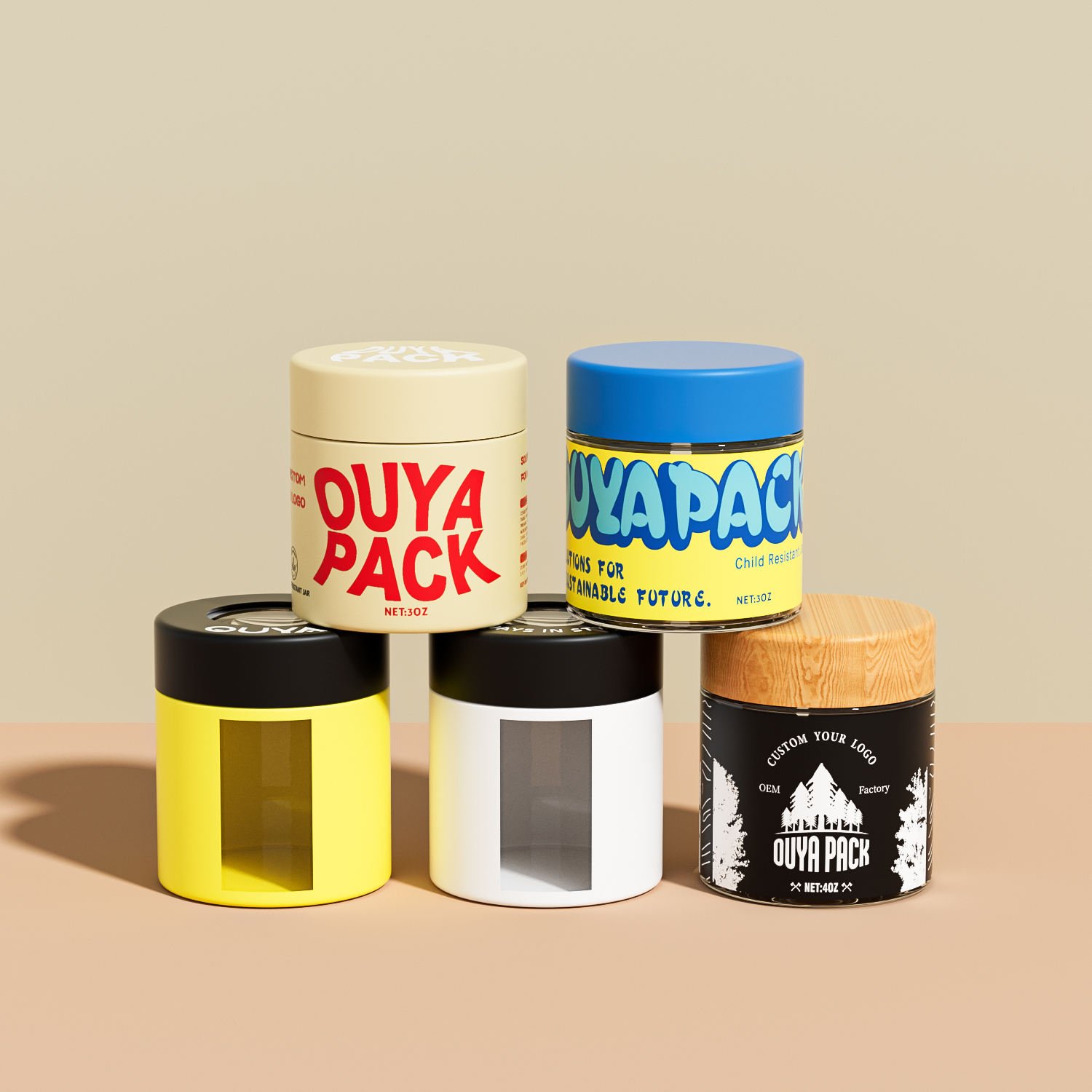
The confirmed product is a glass storage jar with a custom windowed wrap. Final capacity, diameter, height, closure style, label material, artwork coverage, and compliance text must be confirmed before quotation because cannabis flower density, edible piece size, pre-roll dimensions, and required warning panels can change the usable jar volume and the label layout.
Product Specifications
| Item | Specification for RFQ Confirmation |
|---|---|
| Product type | Custom windowed wrap glass storage jars |
| Primary container material | Glass jar; exact glass color, weight, and dimensions to be confirmed |
| Wrap format | Custom wrap label with a clear or unprinted window area, subject to artwork and label substrate |
| Intended contents | Cannabis flower, infused edibles, concentrates in secondary inserts, accessories, or other dry products where glass storage is suitable |
| Closure | Buyer to specify standard screw cap, lined cap, tamper-evident option, or child-resistant closure if required by the destination market |
| Printing and finish | Can be configured with brand artwork, strain color systems, matte or gloss effects, and variable label versions depending on final specification |
| Window area | Size, shape, position, and light exposure trade-off to be confirmed on the dieline |
| Compliance status | Not assumed; buyer should confirm labeling, closure, testing, and destination-market requirements |
Best-Fit Uses for Cannabis and Private-Label Programs
These window label glass cannabis jars are most relevant for brands that want product visibility while keeping most of the surface available for branding, strain information, warning statements, barcode placement, and batch-specific labels. They can be specified for whole flower, premium smalls, edibles, loose herbs, or dry accessories when the product benefits from rigid protection and a reusable container impression.
For flower, the buyer should not select the jar only by nominal fill weight. Bud density, trim style, headspace preference, and whether a humidity pack is used can affect the needed usable volume. For edibles, piece count, coating, odor transfer, and food-contact expectations should be reviewed. For pre-rolls, actual cone length and diameter matter because internal movement can create cosmetic damage unless the fit or insert is designed appropriately.
Glass, Wrap Label, Window, and Barrier Trade-Offs
Glass provides a rigid wall, premium hand feel, and a non-flexible structure that helps reduce crushing compared with soft bags. However, the complete package performance depends on the cap, liner, thread fit, induction or pressure seal if used, and how the jar is filled and closed. Aroma control should be treated as a system, not as a glass-only feature. If odor containment is important, review the closure and liner specification alongside smell resistant packaging considerations.
The windowed wrap creates a practical trade-off. A clear viewing area lets buyers inspect color, texture, and product quality at retail or during sales presentations. At the same time, every visible window reduces the amount of label coverage available for light-blocking graphics and regulatory copy. If the product is sensitive to light, the window size, jar color, storage conditions, and secondary carton or display format should be evaluated together.
Closure and Tamper Evidence Decisions
A standard resealable screw cap is not the same as a tested child-resistant closure. For cannabis, hemp, infused edible, and medical-use packaging, destination rules may require specific opening resistance, warning language, tamper indication, or labelling placement. These requirements are not universal across jurisdictions, so they should be confirmed before tooling, sampling, or bulk label production.
Possible closure discussions include cap diameter, liner type, cap color, cap finish, thread compatibility, and whether tamper-evident bands or seals are required. If a child-resistant feature is needed, it should be stated clearly in the RFQ rather than assumed from the jar appearance. Buyers planning regulated sales should compare the artwork and closure plan against cannabis packaging compliance expectations for their target market.
Custom Printing, Label Layout, and Multi-SKU Consistency
Custom printed glass storage jars can support a master brand system across multiple strains, flavors, potencies, or product families. The wrap label may carry the main logo, strain name, terpene callouts, warning panels, nutrition or supplement-style information where applicable, QR codes, batch stickers, and distributor details. The window position should be locked early because it affects how the jar faces on shelf and how much uninterrupted space remains for mandatory text.
For private label cannabis jar packaging, the most efficient artwork plan often separates common brand elements from SKU-variable elements. For example, a shared wrap structure may use different strain colors, potency panels, or small variable stickers. The buyer should provide dielines, regulatory copy, barcode size, and artwork versions before proofing so the window does not conflict with warnings or scannable codes.
Procurement Checks Before Quotation
- Contents: flower, edible, pre-roll, concentrate accessory, or other dry product.
- Fill target: fill weight, piece count, or actual product dimensions, plus desired headspace.
- Jar size: target capacity, diameter, height, mouth opening, and preferred glass color if known.
- Closure: standard cap, lined cap, tamper-evident feature, or child-resistant requirement.
- Wrap design: full wrap coverage, window size and location, finish, label substrate, and artwork versions.
- Market: destination country or state, required warnings, recycling marks, and documentation needs.
- Filling method: manual filling, semi-automatic filling, torque control, labeling equipment, and case-packing method.
Visible Custom Development Process
- Requirement review: confirm product contents, fill target, destination market, closure need, and branding goals.
- Specification confirmation: align jar size, cap system, wrap label material, window position, finish, and artwork requirements.
- Sample review: evaluate physical fit, opening experience, label readability, window visibility, and filling compatibility.
- Bulk-production approval: approve final artwork, specification sheet, packaging method, and quality checkpoints before mass production.
FAQ
Can the window size and shape be customized?
Yes, the window can be discussed as part of the wrap label design. The final shape and position depend on the dieline, label material, print method, jar curvature, and required compliance copy.
Does a glass jar automatically make the package smell proof?
No. Glass helps as a rigid container, but aroma control depends on the complete closure, liner, seal, and filling process. Use qualified performance language such as smell resistant and confirm the sealing system.
Are these jars suitable for cannabis flower?
They can be suitable for cannabis flower when the jar volume, headspace, closure, and label requirements match the actual flower density and destination-market rules.
Can the same jar support multiple strains or SKUs?
Yes, a shared jar and wrap structure may support multiple strain or flavor versions if the artwork system, window placement, barcode area, and variable information are planned consistently.
Is a child-resistant cap included by default?
No child-resistant status should be assumed. If child resistance is required, specify it during RFQ so the closure type and any related documentation requirements can be reviewed.
Request an RFQ for Custom Windowed Wrap Glass Storage Jars
For an accurate B2B quotation, send the contents, target fill weight or actual product dimensions, preferred jar size, closure requirement, window location, artwork versions, finish, quantity, filling method, destination market, and compliance needs through the RFQ contact page. Clear specifications help evaluate whether wholesale glass weed jars or OEM marijuana storage containers should use a shared platform, a custom label system, or a market-specific closure configuration.
Reviews
There are no reviews yet.