
Clear Dome Child Resistant Jars with Colored Bases
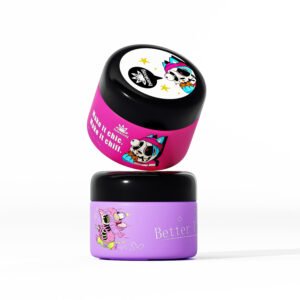
Clear dome child resistant jars with colored bases are rigid cannabis packaging containers that combine a transparent dome-style upper section with a colored base for product visibility, strain differentiation, and shelf-ready presentation. They are relevant for cannabis brands, distributors, wholesalers, private-label buyers, and multi-SKU procurement teams evaluating jars for flower, pre-roll components, edibles, or other cannabis products where the exact fill, closure, and destination-market requirements must be confirmed before quotation.
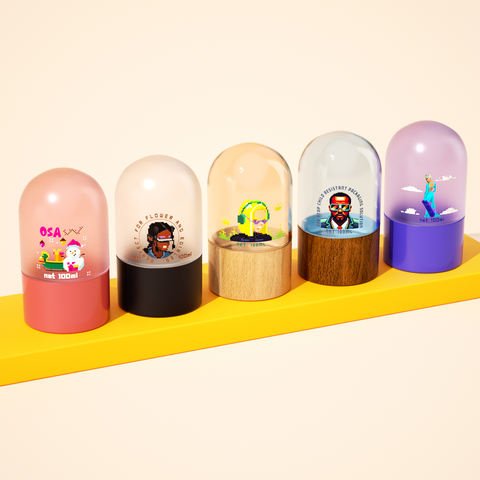
Product Specifications
| Product type | Clear dome child resistant jars with colored bases |
|---|---|
| Primary use | Cannabis flower, pre-roll related items, edibles, samples, or other products subject to final size and compatibility review |
| Visible structure | Clear dome top section with colored base |
| Closure function | Child resistant closure is stated in the product name; required test method and market acceptance must be confirmed for the destination market |
| Material | Rigid plastic or other jar material to be confirmed by final specification; transparency, stiffness, and recyclability depend on selected resin |
| Color | Clear dome with colored bases; exact base colors are buyer-selected or confirmed during specification |
| Capacity and dimensions | Not specified; confirm usable internal volume, product density, headspace, and case-pack requirements before RFQ |
| Decoration options | May include labels, direct printing, color matching, or branded components depending on jar geometry and production specification |
| Compliance documents | Any child resistance, food-contact, or destination-market documentation must be requested and reviewed for the final selected item |
What This Jar Is Designed to Solve
These cannabis jars with colored bases are intended for buyers who want product visibility without using a fully clear container. The clear dome allows the customer, budtender, or distributor to view the contents, while the colored base can organize strains, flavors, potencies, product families, or private-label lines. For B2B procurement, this makes the jar useful when a brand needs one recognizable structure across many SKUs but still wants fast visual separation at the carton, dispensary, or fulfillment level.
The child resistant feature should be treated as a closure system, not just a marketing phrase. The complete jar, cap, dome, base, liner if used, and opening mechanism influence whether the finished package is suitable for a regulated cannabis market. Buyers comparing options can review broader child resistant packaging requirements, but the final jar selection should always be matched to the intended contents and destination rules.
Best-Fit Contents and Fill Considerations
For cannabis flower, jar sizing is affected by flower density, bud shape, trim style, and desired headspace. A stated gram weight does not automatically define one universal jar size because loose flower, compact buds, and premium large-bud presentations occupy different usable volumes. Too little headspace may crush flower or make closing difficult; too much headspace can make the product look underfilled and may allow extra movement during shipping.
For pre-roll related use, buyers should confirm the actual length, diameter, tube or sleeve arrangement, and whether the product can move inside the jar. A dome can provide attractive viewing space, but it does not remove the need to manage internal movement and crush risk. For edibles, confirm whether the selected material and any liners, inks, labels, or coatings are suitable for the food-contact and grease or moisture characteristics of the item.
Clear Dome Visibility vs. Product Protection
The defining trade-off of transparent dome cannabis containers is visibility. Clear packaging helps the buyer see flower color, edible shape, or product presentation, which can support premium merchandising and reduce confusion across multiple SKUs. The trade-off is that clear areas do not provide the same light blocking as opaque or UV-blocking materials. If the packaged product is light-sensitive, the buyer should evaluate whether the colored base, secondary carton, label coverage, display conditions, or a different resin specification is needed.
Aroma and freshness also depend on the complete system. A rigid jar can help contain aroma when the closure is properly engaged and the sealing surfaces are correctly specified, but no jar should be described as permanently smell proof without testing the final material, closure, liner, and filling process. If odor control is a high-priority requirement, buyers should compare the selected jar system with packaging structures designed for smell resistant cannabis packaging and request performance expectations for the final specification.
Customization for Multi-SKU Cannabis Programs
Custom printed weed jars can be configured around base color, label placement, lid or dome decoration, tamper-evident features where applicable, and master artwork systems for strain families. The colored base is especially useful for wholesale OEM cannabis jar packaging because the same jar silhouette can carry different strain colors, potency tiers, or customer brands while keeping procurement more consistent.
Artwork planning should account for curved surfaces, readable warning space, barcode placement, batch or lot coding, and any required cannabis symbols. Direct printing may have limits based on jar shape and color; pressure-sensitive labels may offer more flexibility for small artwork changes or frequent SKU rotation. Private-label and OEM buyers can also align these jars with broader private label packaging programs when the same brand language is needed across jars, pouches, cartons, and accessories.
Procurement Checks Before Requesting a Quote
- Contents: confirm flower, edible, pre-roll component, concentrate accessory, or sample use.
- Fill target: provide fill weight, product dimensions, density, and desired headspace rather than only a strain name or package concept.
- Jar size: confirm internal usable volume, outside dimensions, display footprint, and carton packing needs.
- Closure: define the required child resistant opening style and any documentation expected for the destination market.
- Colors: specify base colors, color matching expectations, and whether each SKU needs a different base.
- Decoration: provide artwork count, label size, print method preference, finish expectations, and variable data needs.
- Filling process: identify manual filling, semi-automatic filling, or automated line requirements that may affect jar handling.
- Market requirements: list warnings, symbols, language, tamper-evident expectations, and food-contact review needs where relevant.
Custom Development Process
- Requirements review: share contents, fill weight or product dimensions, target jar appearance, base colors, closure needs, and destination market.
- Specification confirmation: confirm jar size, material, dome clarity, base color, closure type, decoration method, and required document requests.
- Sample and artwork review: review physical fit, opening behavior, label or print layout, barcode readability, and visual consistency across SKUs.
- Bulk-production approval: approve the final specification, artwork files, color references, and packing requirements before mass production is released.
FAQ
Are these jars suitable for cannabis flower?
They may be suitable for cannabis flower when the internal volume, headspace, closure, and material are matched to the flower density and target fill weight. Buyers should test the actual flower format before approving a production specification.
Does the clear dome protect products from light?
The clear dome supports product visibility, but it does not provide the same light blocking as opaque packaging. If light exposure is a concern, review resin options, label coverage, secondary packaging, or alternative structures.
Can the colored bases be used for strain organization?
Yes, colored bases can help separate strains, flavors, potency levels, product families, or private-label customer lines. Exact color options and matching tolerances should be confirmed during specification.
Is the child resistant closure automatically compliant everywhere?
No. Child resistant suitability depends on the complete final package and the rules of the destination market. Buyers should request the relevant documentation and confirm acceptance with their compliance team.
Can these jars be custom printed or labeled?
They may be decorated with labels or configured for printing depending on the jar geometry, selected material, artwork area, and production method. Curved surfaces and required warning text should be checked before artwork approval.
RFQ Inputs for Clear Dome Jar Projects
For an accurate B2B quotation, send the intended contents, fill weight or actual product dimensions, desired jar capacity or sample target, base color list, quantity by SKU, artwork versions, closure requirement, decoration preference, filling method, destination market, and any compliance documents your team needs to review. These details help confirm whether clear dome child resistant jars with colored bases are the right packaging format before tooling, sampling, or bulk production decisions are made.
Reviews
There are no reviews yet.