
Amber Glass Capsule Bottles with Screw Caps for B2B Packaging
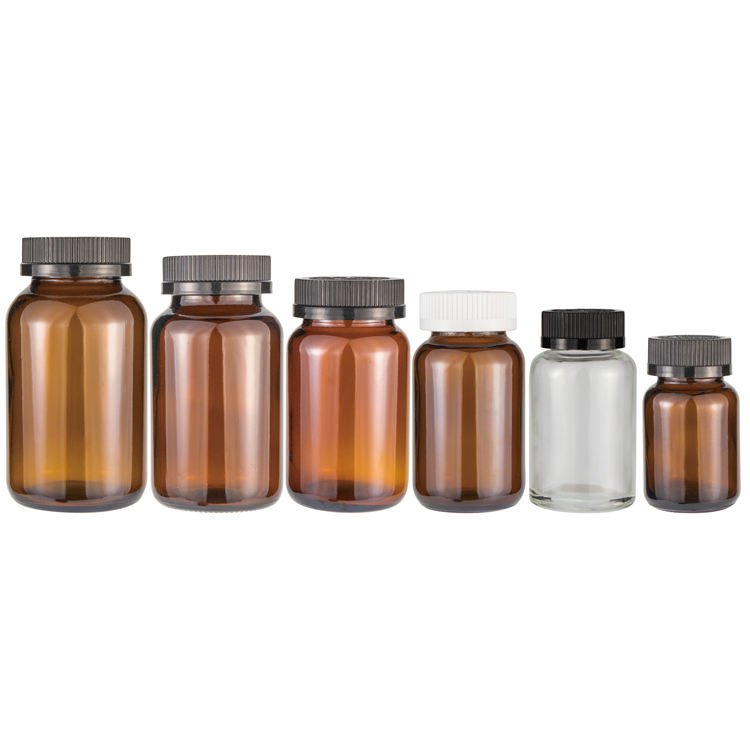
Amber glass capsule bottles are rigid containers intended for packaging capsules while helping reduce their exposure to light. The confirmed configuration combines an amber-colored glass bottle with a screw cap. It is relevant to cannabis, hemp, nutraceutical, supplement, private-label, wholesale, and multi-SKU buyers, subject to formulation compatibility and destination-market requirements. Bottle capacity, neck finish, cap material, liner, decoration, and regulatory features must be confirmed before quotation.
Product Specifications
| Attribute | Specification |
|---|---|
| Packaging type | Rigid bottle packaging for capsules |
| Bottle material | Amber-colored glass |
| Closure type | Screw cap |
| Intended contents | Capsules; compatibility with the buyer’s formulation must be confirmed |
| Capacity and dimensions | To be selected according to capsule count, capsule dimensions, headspace, and filling method |
| Neck finish | Must be matched to the selected screw cap and confirmed in the final specification |
| Cap material and liner | Subject to the selected closure system and product compatibility requirements |
| Light-management function | Amber glass helps reduce light exposure compared with clear glass; exact spectral or UV performance requires supporting test data |
| Decoration | Labels or direct decoration may be configured subject to bottle geometry, artwork, process limits, and order specification |
| Child-resistant or tamper-evident features | Not established by a standard screw cap; these requirements must be specified separately |
Capsule Count, Bottle Capacity, and Headspace
A capsule count does not establish one universal bottle size. Capsule length, diameter, shell type, shape, bulk density, and settling behavior affect the occupied volume. Buyers should provide physical samples or accurate capsule dimensions and the intended count per bottle. The selected capacity should allow practical filling and cap application without leaving excessive headspace that makes the package feel underfilled.
Automatic filling lines may also require confirmed bottle height, body diameter, opening diameter, neck finish, and dimensional tolerances. Buyers using desiccants, cotton, induction seals, or other internal components should identify them because they change usable volume and closure requirements.
Amber Glass Protection and Material Trade-Offs
Amber glass is commonly selected when light-sensitive contents need more protection than a transparent container may provide. The tint helps limit selected wavelengths, but color alone does not prove a specific UV transmission level. Buyers with defined light-stability requirements should establish the required test method and review relevant UV protection packaging considerations.
Glass provides a rigid, nonporous container wall and does not rely on a flexible laminate for its main barrier. However, package protection still depends on the complete system. Moisture or oxygen ingress can occur through an unsuitable cap, liner, seal interface, or poorly matched neck finish. Compatibility should therefore be assessed using the actual capsule formulation and closure assembly.
The principal trade-off is that glass offers rigidity, a substantial presentation, and amber light management, but it is heavier and more vulnerable to breakage than many plastic bottles. Shipping cartons, dividers, pallet configuration, handling conditions, and e-commerce distribution risks should be considered during pack-out planning.
Screw Cap, Liner, and Safety Distinctions
The screw cap provides a repeatable mechanical opening and closing format when properly matched to the bottle neck. It does not, by itself, establish moisture resistance, tamper evidence, or child resistance. Cap torque, thread compatibility, liner selection, induction-seal compatibility, and opening size can all influence package performance and filling-line behavior.
If cannabis regulations require a child-resistant package, buyers must request a suitable bottle-and-closure system rather than assuming that an ordinary screw cap qualifies. Review the distinction and specification questions for child-resistant packaging, then confirm the test standard, market, age-use format, and documentation required for the completed package. Tamper-evident bands, seals, or liners are also separate features and must be specified.
Custom Printing and Multi-SKU Presentation
Custom printed capsule bottles may use pressure-sensitive labels, sleeves, or direct decoration depending on the bottle profile, surface, artwork, and production process selected. The printable area should be established from an approved bottle drawing or physical sample. Curved shoulders, base radii, seams, and cap overlap can reduce usable artwork space or affect label application.
For private label glass capsule packaging across several formulas or cannabis SKUs, use a controlled artwork system for brand elements, capsule count, ingredient identity, warnings, lot coding, and variable information. Color targets should account for the dark amber substrate because transparent inks or labels can appear different when applied to colored glass. Each artwork version should be identified in the RFQ so quantities and changeovers can be evaluated accurately.
Compliance and Procurement Checks
Suitability depends on the packaged formulation and destination market. Before approval, confirm applicable cannabis, supplement, food-contact, labeling, child-resistant, tamper-evident, and traceability requirements with qualified advisers. Request only the documents and testing relevant to the final bottle, cap, liner, decoration, and market; the product name or appearance does not establish compliance.
Procurement teams should also evaluate transport packaging, drop or breakage risk, closure torque, seal integrity, label adhesion, filling-line handling, and compatibility with oils, capsule shells, aromas, or other formulation components. Any performance claim should be tied to the final assembled package and an agreed evaluation method.
Custom Development Process
- Define requirements: Provide the capsule type, capsule dimensions, count per bottle, filling method, destination market, quantity, and required package functions.
- Confirm the specification: Agree on bottle capacity, dimensions, neck finish, screw cap, liner or seal, decoration method, and artwork versions.
- Review samples: Evaluate physical fit, headspace, filling compatibility, closure engagement, decoration placement, and handling with the actual contents where appropriate.
- Approve bulk production: Confirm the final sample or specification, artwork files, acceptance criteria, packing method, and required documentation before bulk production.
Frequently Asked Questions
Does amber glass block all ultraviolet light?
No. Amber glass helps reduce selected light exposure compared with clear glass, but it should not be described as blocking all UV wavelengths. Exact performance depends on the glass and must be supported by relevant test data when a specific transmission limit is required.
How is the correct bottle capacity selected for capsules?
Use the actual capsule dimensions, capsule count, settling behavior, filling equipment, and any desiccant or internal component. A nominal capsule count alone is not enough to determine bottle capacity or headspace.
Are these screw caps confirmed as child-resistant?
No. The stated screw cap does not establish child resistance. A suitable bottle-and-closure combination, applicable test standard, use format, and supporting documentation must be specified for markets requiring child-resistant packaging.
Can these bottles be customized for multiple private-label SKUs?
They may be configured with labels, sleeves, or direct decoration depending on bottle geometry and process limits. Provide each artwork version, quantity split, color requirement, coding area, and finish expectation for technical review.
What information is needed for an accurate B2B quotation?
Provide capsule type and dimensions, count per bottle, desired capacity or bottle dimensions, order quantity, filling method, cap and liner requirements, decoration method, artwork versions, destination market, compliance needs, and transport-packing expectations.
Request a Product-Specific RFQ
For a wholesale screw cap bottle supplier review, submit your capsule specifications, intended count, target bottle capacity, quantity, closure and liner requirements, decoration files, SKU breakdown, filling process, destination market, and required documentation. Use the B2B packaging RFQ contact form to request specification confirmation and sample evaluation before bulk-production approval.
Reviews
There are no reviews yet.