
Plastic Vacuum Food Packaging Bags for B2B Food and Cannabis Packaging
Plastic vacuum food packaging bags are flexible plastic bags intended for food packaging applications where vacuum packing, heat sealing, or controlled air removal may be part of the packing process. They may also suit selected cannabis food and edible programs when the complete material structure, sealing method, product dimensions, and destination-market requirements are confirmed. This format is relevant to cannabis brands, food processors, distributors, wholesalers, private-label buyers, and multi-SKU procurement teams that need a defined bag specification before requesting a quotation.
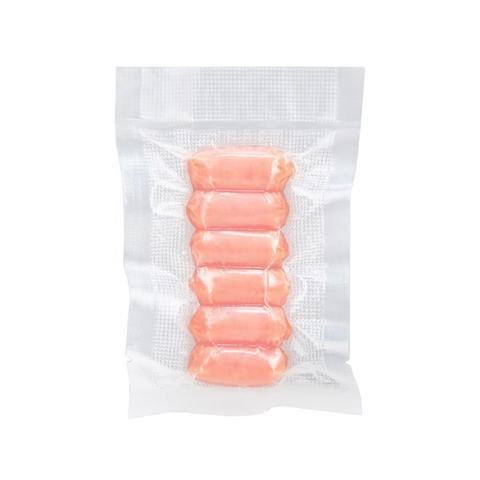
Product Specifications
| Product type | Plastic vacuum food packaging bags |
|---|---|
| Primary material | Plastic; the exact film or laminate structure requires confirmation |
| Intended use | Food packaging and potentially suitable cannabis food or edible applications subject to product and market review |
| Packaging function | Vacuum packaging and heat-sealing applications, subject to the selected bag structure and equipment |
| Dimensions and usable volume | Not specified; confirm bag size, seal area, product dimensions, fill weight, density, and required headspace |
| Closure | Confirm whether the project requires a heat seal, zipper, or another closure arrangement |
| Printing and finish | Confirm whether the bag is plain or custom printed, including artwork, finish, and print coverage |
| Barrier performance | Depends on the complete laminate, seal quality, and packaging process; request relevant technical data before approval |
How the Bag Structure Affects Product Protection
A bag described as plastic or vacuum-ready does not by itself identify the complete barrier system. The film or laminate selected for the project influences resistance to oxygen, moisture, aroma transfer, light, puncture, and seal failure. For cannabis food products, an appropriate structure may help contain aroma and protect texture when properly sealed, but performance depends on the actual laminate, product chemistry, storage conditions, and sealing process.
For moisture-sensitive edibles, the buyer should review moisture-barrier requirements alongside grease resistance and seal integrity. Oily or sticky products can contaminate the seal area and create leakage risk if the filling process is not controlled. Products with a strong aroma may require a structure selected for improved aroma containment. A clear film or window can improve product visibility, but it may provide less light protection than an opaque or metallized structure. Matte, metallic, kraft-look, or other visual effects describe appearance and do not independently prove barrier performance.
Vacuum packing can reduce air inside the package, but the result depends on the bag design, product shape, equipment settings, seal width, and operator process. A buyer should request sample trials using the actual product rather than assuming that every size or laminate will perform identically.
Size, Fill Density, and Headspace Planning
One stated food or cannabis fill weight does not establish one universal bag size. Flower-like or irregular products can vary substantially in density and volume, while edibles may have a fixed shape but still need clearance around corners and a clean sealing zone. Provide the product’s actual length, width, height, diameter, density, fill weight, and orientation when asking for a recommendation.
Usable internal volume is not the same as the outside bag dimension. Seal margins, the opening, product movement, and any required headspace reduce the area available for contents. Too little space can make filling and sealing difficult; too much space can reduce presentation efficiency and allow unnecessary movement. If the package will be vacuumed, discuss how much air removal is desired and whether the product can tolerate compression or deformation.
Closure and Filling Considerations
A heat-sealed vacuum bag is different from a resealable pouch with a zipper. A zipper can support repeated opening, while a heat seal is generally used to create a sealed top after filling. If both functions are needed, confirm the bag construction and sealing sequence. Do not treat an ordinary zipper as a tested child-resistant closure. Any child-resistant requirement should be specified separately and verified for the relevant product category and destination market.
Filling equipment also affects the specification. Manual filling, vacuum chamber equipment, nozzle systems, and automated lines may require different opening dimensions, seal locations, film stiffness, and tolerances. Ask for samples that can be tested on the intended line. Check whether the bag opens cleanly, holds its shape during loading, keeps the seal area free of product, and maintains an acceptable appearance after vacuuming.
Custom Printing and Multi-SKU Procurement
Custom printed vacuum food bags can support brand identification, product naming, strain or flavor differentiation, and regulatory copy when the selected substrate and printing process allow it. Before artwork approval, confirm the printable area, seal exclusion zone, opening position, color expectations, finish, barcode placement, and whether the design is printed on the outside or within a laminate. Printing method, ink system, and substrate compatibility should be confirmed against the final structure rather than selected from appearance alone.
For private-label or multi-SKU programs, create one specification sheet per size or product variant. Keep common elements consistent across the range while identifying the variable artwork, fill weight, product name, warning text, lot information, and barcode fields. This helps reduce mix-ups during ordering and makes it easier to compare samples. If several strains, flavors, or edible formats use the same bag family, confirm whether the dimensions, barrier needs, and seal settings remain suitable for each SKU.
Compliance and Destination-Market Review
Food-contact suitability, cannabis packaging rules, labeling obligations, child-resistant requirements, recycling statements, and other market-specific conditions vary by jurisdiction and product type. The buyer should identify the destination market and intended contents before approving materials or artwork. If the bag will contact oily, acidic, wet, or heated food, request documentation relevant to that use. Do not assume that a generic plastic bag, vacuum function, or printed appearance establishes compliance or certification.
Buyer Questions Before an RFQ
- What product will be packed, and what are its actual dimensions, fill weight, density, moisture, grease, and aroma characteristics?
- Is vacuum packing required, or is the primary need a heat-sealable food bag?
- What bag dimensions, seal width, opening position, and headspace are required?
- Will filling be manual or automated, and what equipment will create the vacuum and final seal?
- Which laminate or barrier targets, finish, printing coverage, and artwork versions are required?
- Does the destination market require food-contact documentation, child-resistant packaging, or specific cannabis labeling?
Frequently Asked Questions
Can these bags package cannabis edibles?
They may be suitable for selected cannabis food or edible applications, but suitability depends on the food-contact requirements, product chemistry, barrier structure, seal process, labeling, and destination-market rules. Confirm the complete specification before production.
Does plastic automatically make the bag smell proof?
No. Aroma containment depends on the complete laminate, seal quality, closure design, and storage conditions. A properly selected and sealed structure may help contain aroma, but the product name alone is not a permanent performance guarantee.
Can one bag size fit every fill weight?
No. Product density, shape, dimensions, headspace, seal margins, and vacuum conditions all affect the required size. Provide actual product measurements and test samples before finalizing the bag.
Is a vacuum bag child-resistant?
Not necessarily. Vacuum capability and child resistance are separate requirements. If child-resistant packaging is required, specify the intended closure and request verification for the destination market and product category.
Request a B2B Specification Review
To request a quotation for this product, send the contents, fill weight, actual product dimensions, desired bag dimensions, target quantity, number of artwork versions, material or barrier preference, closure and sealing method, finish, filling equipment, destination market, and compliance needs. These details allow the packaging supplier to assess samples, confirm the plastic vacuum pouch laminate, and quote the correct specification instead of comparing unsuitable bag sizes or structures.
Reviews
There are no reviews yet.