
Custom Printed Reusable Spout Pouches for Controlled Dispensing
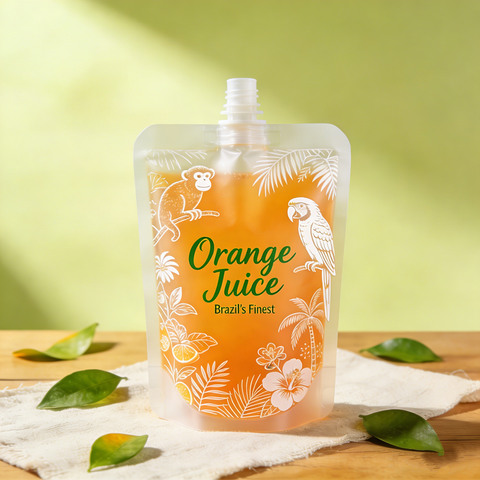
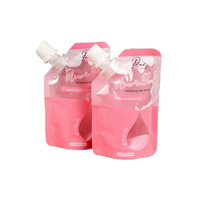
Custom printed reusable spout pouches are flexible packages combining a printed pouch body with a fitted dispensing spout. They are intended for products that need controlled pouring or squeezing and repeated access during the product-use cycle. Cannabis brands, private-label buyers, distributors, wholesalers, and multi-SKU programs can configure the pouch around the contents, filling process, branding, and destination-market requirements.
Product Specifications
| Specification | Product Detail |
|---|---|
| Packaging type | Flexible pouch with dispensing spout |
| Printing | Custom printed; artwork process, color requirements, and printable area require confirmation |
| Reuse function | Designed for repeated dispensing and reclosing during use; the intended reuse cycle must be defined |
| Spout and closure | Spout format, position, opening diameter, cap, and tamper-evident features are subject to final specification |
| Pouch structure | Flexible laminate structure to be selected for the contents, barrier target, filling process, and sealing conditions |
| Dimensions and capacity | Buyer confirmation required; nominal capacity alone does not establish the correct pouch size |
| Finish | Gloss, matte, metallic, clear, or other effects may be configurable depending on the selected substrate and print process |
| Intended contents | Flowable liquids, gels, pastes, or powders, subject to product compatibility and filling validation |
| Child resistance | Not established by a standard screw cap or resealable spout; any child-resistant requirement must be specified and verified separately |
Which Products Fit a Spouted Pouch?
Flexible spouted pouch packaging is best evaluated by how the actual product moves through the opening. Viscosity, suspended particles, oil content, powder flow, required dose control, and sensitivity to oxygen or moisture can all affect the appropriate spout and laminate. A thin liquid may need a different opening and cap system than a thick gel or paste.
For cannabis spout packaging, the buyer should identify the exact packaged format rather than stating only “cannabis product.” Potential applications may include compatible flowable formulations, infused ingredients, gels, or powders, provided the package materials, closure, labeling, and filling method are suitable for the formulation and destination market. Compatibility must be confirmed before production.
Laminate, Barrier, and Seal Performance
The complete laminate—not the exterior appearance alone—determines much of the pouch’s barrier and mechanical performance. A structure can be configured with layers selected to help manage moisture, oxygen, aroma, light, puncture risk, stiffness, and heat sealability. Actual protection depends on the specified films, layer thicknesses, adhesives, spout fitment, cap, edge seals, and production controls.
A metallic appearance does not automatically establish a foil barrier, and a matte surface does not indicate a particular oxygen or moisture transmission level. If aroma retention or smell-resistant performance is important, state the contents, shelf-life objective, storage conditions, and target barrier requirements. The pouch may help contain aroma when an appropriate laminate and sealing system are selected and the package is properly closed, but permanent odor containment should not be assumed.
Spout, Cap, and Sealed-Pouch Decisions
These resealable dispensing pouches rely on both the pouch seals and the spout assembly. Buyers should confirm the spout’s location, opening diameter, cap style, dispensing behavior, and compatibility with the filling equipment. A corner spout and a top-center spout can behave differently during filling, carton packing, display, and consumer dispensing.
“Sealed” should be defined in the RFQ. It may refer to the heat-sealed pouch perimeter, the bond around the spout fitment, a closure liner, or an optional tamper-evident feature. These functions are not interchangeable. A conventional screw cap also does not establish child resistance. Regulated cannabis products requiring child-resistant packaging need a specifically selected closure system and evidence appropriate to the destination market.
Capacity, Headspace, and Filling Behavior
The correct dimensions depend on more than the stated fill volume. Product density, viscosity, fill temperature, trapped air, required headspace, pouch expansion, spout displacement, and sealing area affect usable capacity. Buyers should provide either an actual product sample or reliable formulation and fill data when possible.
Headspace can support clean filling and secure sealing, but excessive headspace may create a partially filled appearance and inefficient case packing. A tighter package may improve pack-out efficiency, yet it can increase filling difficulty or product contact with the seal area. This is a key product-specific trade-off that should be resolved through the die line, filling method, and packaging trial rather than capacity alone.
Custom Printing and Multi-SKU Control
Custom printing can carry brand graphics, product names, flavor or strain differentiation, instructions, warnings, ingredient information, batch fields, and required regulatory text. Printable area is affected by the spout position, perimeter seals, folds, gussets, and any registration tolerances. Critical text and codes should remain inside the artwork safe area defined by the approved die line.
For private label multi-SKU spout pouches, maintain one controlled structural specification while changing approved artwork versions where practical. Buyers should supply a SKU list, artwork count, color targets, finish requirements, and variable-data needs. The selected printing method, substrate, order profile, and design complexity will determine which graphic effects can be reproduced consistently.
Procurement and Destination-Market Review
Packaging suitability depends on the packaged formulation and where it will be sold. Confirm applicable rules for product contact, child resistance, tamper evidence, warning placement, opacity, serving information, recycling claims, and language. Requirements can differ by product category and jurisdiction, so no ordinary cap, laminate, or printed warning should be treated as automatic compliance.
A wholesale spout pouch supplier should receive the filling and distribution details before the final construction is selected. Manual versus automated filling, fill temperature, cap application, seal settings, case orientation, transport stress, and storage conditions can change the specification. Compatibility, seal integrity, and filled-package performance should be evaluated using the intended contents and process.
Frequently Asked Questions
What products can be packed in reusable spout pouches?
They may be configured for compatible liquids, gels, pastes, or flowable powders. The formulation’s viscosity, oil content, particles, fill temperature, and sensitivity to oxygen or moisture must be reviewed before the structure and spout are finalized.
Does a resealable spout make the pouch child-resistant?
No. A standard cap or resealable spout does not by itself establish child resistance. If child-resistant packaging is required, specify an appropriate closure system and confirm the evidence required for the destination market.
What does reusable mean for this pouch?
Reusable refers to repeated dispensing and reclosing during the intended product-use cycle. It does not establish unlimited reuse, refill suitability, sanitation performance, or compatibility with a different product.
How is the correct pouch size determined?
Size is based on the actual contents, fill quantity, density, viscosity, headspace, spout displacement, sealing area, and filling method. A nominal capacity alone is not enough to select final dimensions.
Can the pouch be made smell resistant?
A suitable laminate and secure sealing system can help contain aroma when properly closed. Performance depends on the complete structure, spout assembly, cap, seals, contents, storage conditions, and required shelf life.
What artwork information is needed for custom printing?
Provide the approved die line, print-ready artwork, SKU count, color targets, finish, required warnings, code areas, and any variable information. Keep critical graphics clear of the spout, folds, gussets, and perimeter seals.
Request a B2B Spout Pouch Quotation
For an accurate RFQ, provide the packaged contents, fill weight or volume, product density and viscosity, desired pouch dimensions, quantity, number of artwork versions, preferred spout position and opening, cap requirements, laminate or barrier targets, finish, filling method, fill temperature, destination market, and applicable compliance needs. These inputs allow the pouch structure, dispensing system, artwork layout, and sealing requirements to be reviewed as one complete package.
Reviews
There are no reviews yet.