
Custom Printed Flat-Bottom Goji Berry Bags for B2B Packaging
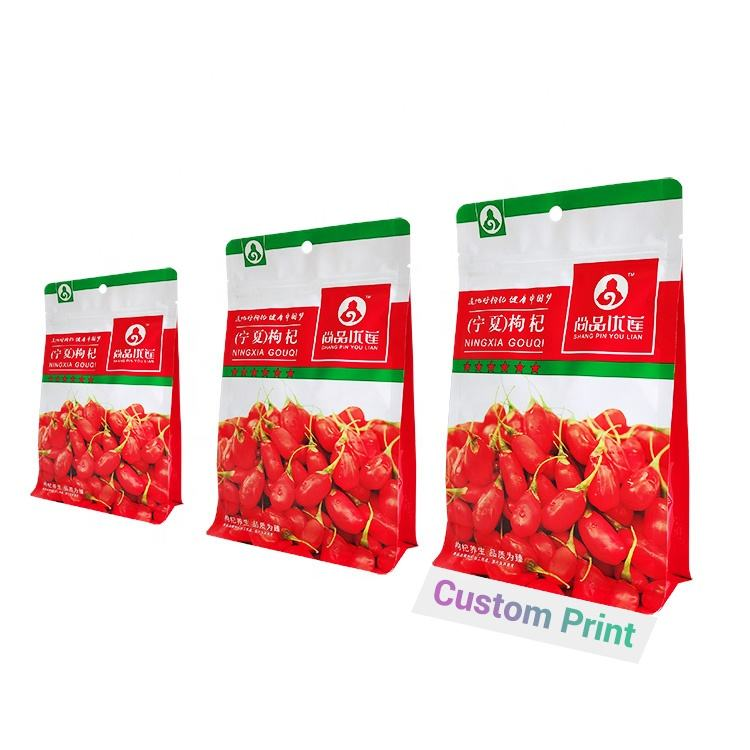
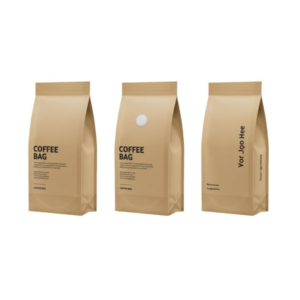
Custom printed flat-bottom goji berry bags are flexible pouches developed to package, display and identify dried goji berries for wholesale, distribution and private-label programs. Their defining flat-bottom format provides a broad base and multiple printable panels, making the pouch relevant to brands, food packers, importers and multi-SKU buyers that need stable shelf presentation and product-specific graphics. Dimensions, laminate, barrier level, closure and finish must be selected around the actual berries and destination market.
Product Specifications
| Specification | Product detail |
|---|---|
| Product type | Custom printed flexible packaging bag |
| Pouch style | Flat-bottom bag |
| Intended contents | Goji berries |
| Printing | Custom printed; artwork process and color requirements require confirmation |
| Material structure | Buyer-specified flexible laminate, subject to final barrier and packing requirements |
| Dimensions and capacity | To be confirmed from fill weight, berry density, headspace and filling method |
| Closure | Zipper, heat-seal configuration or other closure to be confirmed |
| Finish | Buyer-selected finish subject to substrate and print-process compatibility |
| Commercial program | Suitable for quotation as private-label, OEM or multi-artwork packaging |
How the Flat-Bottom Format Fits Goji Berries
Flat-bottom goji berry packaging uses a base panel and side gussets to create a box-like pouch body. Compared with a simple flat bag, this geometry can provide a more stable presentation when the dimensions, fill level and weight distribution are correctly matched. The front, back, side and bottom panels also create distinct areas for branding, flavor or variety identification, preparation information and required market-specific statements.
The nominal fill weight does not establish one universal pouch size. Whole dried berries vary in size, density, dryness and packing behavior. A loose fill can occupy more volume than the same weight of densely settled product. Buyers should test representative berries and reserve enough headspace for filling, zipper operation when selected, and the final top seal.
Laminate and Barrier Decisions
Laminated goji berry pouches can be configured with layers selected for printability, stiffness, puncture resistance, heat sealability and protection from environmental exposure. The appropriate structure depends on expected shelf life, distribution conditions and the sensitivity of the packed fruit. Moisture control can help reduce unwanted texture changes, while oxygen and light management may support color, flavor and aroma retention. These functions depend on the complete laminate, seals and closure rather than the exterior appearance alone.
A metallic appearance does not by itself verify a particular barrier level, and a matte coating changes visual and tactile presentation rather than automatically establishing product protection. A clear window can let buyers inspect the berries, but it reduces light shielding in that area. This visibility-versus-light-protection decision is a practical trade-off that should be resolved before artwork and material approval.
Closure, Filling and Final Sealing
If repeated consumer access is required, the bag may be configured as resealable dried fruit packaging with a zipper. An ordinary press-to-close zipper supports convenience but should not be represented as child-resistant unless the complete closure system has been tested for that purpose. Regardless of zipper selection, a heat seal above the zipper may be specified to provide initial pack integrity and tamper evidence, subject to the selected structure and filling process.
Manual, semi-automatic and automated filling methods can impose different requirements for pouch opening, gusset control, sealing temperature and seal-area cleanliness. Goji berry fragments or powder in the seal zone may interfere with seal formation. Buyers should therefore identify the filling method and confirm a suitable clean headspace rather than sizing the pouch only around net weight.
Custom Printing and Multi-SKU Control
Custom printing can allocate separate panels to the brand, goji berry imagery, product description, net contents, lot or date area, barcode space and destination-market information. Final artwork must follow the approved die line, including gusset folds, seal bands, zipper position and print-safe zones. Text or codes placed across folds can become difficult to read after filling.
Private-label multi-SKU goji berry pouches may share a consistent structural format while using controlled changes in color, variety, language or pack size. Procurement teams should provide an artwork matrix that links every design version to its dimensions, material and ordered quantity. This reduces the risk of applying the correct artwork to the wrong pouch specification.
Food-Packaging and Destination-Market Review
The buyer should confirm food-contact requirements, labeling rules and any importer or retailer specifications that apply in the destination market. These requirements can affect ink systems, laminate selection, declaration space and traceability fields. Suitability or compliance should not be assumed from pouch appearance; it must be evaluated against the final material specification, intended food, conditions of use and applicable jurisdiction.
Questions Buyers Ask
What size bag is needed for a stated weight of goji berries?
There is no universal size based only on weight. Use representative berries to evaluate bulk density, settling behavior, required headspace and the space needed for filling, zipper access and heat sealing.
Can these bags include a resealable zipper?
A zipper may be specified, subject to the final bag design and packing process. A standard resealable zipper is a convenience closure and is not automatically a tested child-resistant closure.
What barrier structure should be selected?
The structure should be matched to moisture, oxygen and light sensitivity, target shelf life, distribution conditions and sealing equipment. Barrier performance depends on the complete laminate and sealing system.
Can a clear window be added to show the berries?
A window may be possible depending on the selected structure and design. It improves product visibility but provides less light shielding in the window area, so the trade-off should be assessed for the intended shelf environment.
What is required for several artwork versions?
Provide a version list connecting each artwork file to its pouch size, quantity, language, product variety and material specification. Every design should use the approved die line and preserve seals, folds and coding areas.
Request a Product-Specific B2B Quotation
For a precise quotation from a wholesale goji berry packaging supplier, provide the goji berry form, target fill weight, preferred pouch dimensions or a sample pack, total quantity, quantity per artwork version, desired laminate or barrier priorities, closure, finish, filling method and destination market. Include applicable food-contact, labeling or retailer requirements. Representative product details allow the bag volume, gusset behavior, headspace, print layout and sealing configuration to be reviewed before the final specification is approved.
Reviews
There are no reviews yet.