
Custom Printed Pet Food Pouches for Flexible Stand-Up Packaging
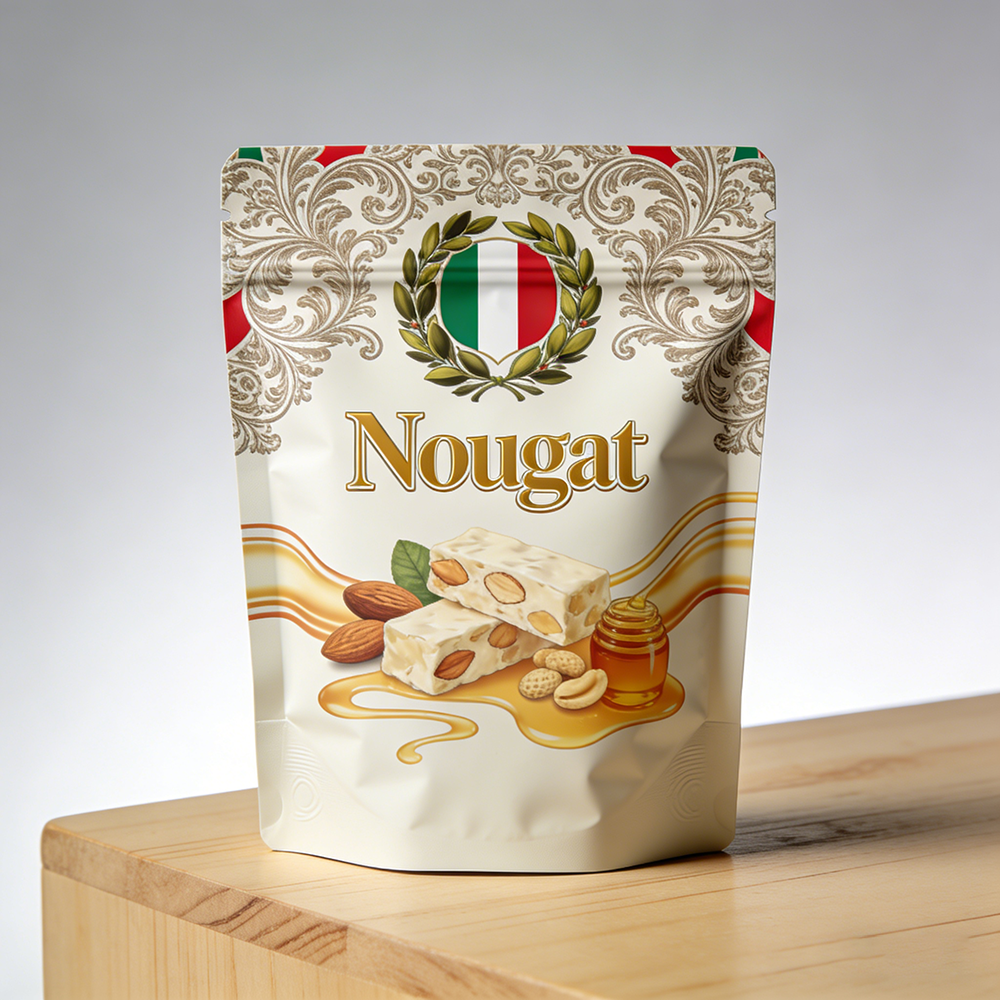
Custom printed pet food pouches are flexible stand-up bags made for branded pet food packaging programs. Their defining features are a bottom gusset that supports shelf presentation and a printable pouch surface that can carry product, feeding, ingredient, warning, and brand information. They are relevant to pet food brands, contract packers, distributors, wholesalers, private-label buyers, importers, and companies managing multiple recipes or package designs.
Product Specifications
| Specification | Product Detail |
|---|---|
| Product type | Custom printed flexible pouch |
| Pouch style | Stand-up pouch with bottom gusset |
| Intended use | Pet food packaging; the exact food format must be confirmed |
| Printing | Custom printed; artwork count, print method, color requirements, and coverage are subject to specification |
| Material | Flexible laminate selected according to the required barrier, stiffness, sealing, and food-contact needs |
| Closure | To be specified; a zipper, tear notch, or other opening feature may be configured where suitable |
| Dimensions and capacity | Buyer confirmation required based on product density, fill weight, headspace, and filling method |
| Finish | To be selected according to artwork, substrate, and production requirements |
| Order details | Quantity, artwork versions, destination market, and compliance requirements must be confirmed for quotation |
What Products Can the Pouch Hold?
This stand-up pet food packaging format may be configured for dry food, biscuits, training treats, chews, toppers, or powdered pet products, depending on the selected laminate and closure. The intended contents are a critical RFQ detail because dry kibble, oily treats, sharp-edged chews, and fine powders place different demands on puncture resistance, grease resistance, seals, and barrier performance.
A stated net weight does not identify one universal pouch size. Two foods with the same weight can have different bulk densities and particle dimensions. Buyers should evaluate actual product volume, required headspace, product settling, and the space needed for the top seal. Physical filling trials are preferable when the product is irregular, fragile, or likely to bridge at the pouch opening.
Laminate and Barrier Selection
Barrier laminate pet food bags are built from a complete material and sealing system rather than from appearance alone. Depending on the specification, a laminate can be configured to help limit moisture and oxygen transmission, retain product aroma, reduce exposure to light, provide stiffness, and support reliable heat sealing. Required performance depends on the food formulation, expected shelf life, distribution environment, and sealing process.
Products containing fats or strong flavors may require more protection than simple dry biscuits. Sharp pieces can also demand greater puncture resistance. Barrier targets, food compatibility, and any required migration or shelf-life testing must therefore be established by the buyer and qualified for the final structure. No barrier result should be inferred solely from a matte, glossy, metallic, or kraft-style appearance.
Important Material Trade-Off
A higher-barrier structure may improve protection against oxygen, moisture, aroma loss, or light, but it can also increase stiffness, material complexity, and cost. A clear window helps customers see the food but reduces light protection in that area and may affect the available barrier options. The best structure balances product sensitivity, merchandising goals, filling performance, disposal expectations, and budget instead of maximizing one feature without considering the others.
Bottom Gusset, Filling, and Headspace
The bottom gusset allows the pouch base to expand as it is filled. This can improve shelf stability and create front and back panels for branding and required information. Actual standing performance depends on the pouch dimensions, gusset geometry, laminate stiffness, fill distribution, and weight of the contents.
Headspace must accommodate product variation and the filling process without allowing food particles or oil to contaminate the heat-seal area. Excess headspace can make a pack look underfilled, while insufficient headspace can interfere with sealing or zipper use. Automated and manual filling lines may also require different pouch opening behavior, tolerances, and handling features.
Closure and Opening Options
Resealable pet treat pouches may include a zipper when repeated access and portioning are priorities. A zipper can support consumer convenience, but it does not replace the final heat seal used to close a newly packed pouch. Tear notches may be positioned above the zipper to support controlled opening, subject to the die line and seal geometry.
An ordinary press-to-close zipper should not be represented as child-resistant or tamper-evident. If a special child-resistant mechanism, tamper-evident feature, or other controlled closure is needed, that requirement must be stated and evaluated separately. Closure compatibility should also be checked against crumbs, powders, oils, and the intended number of opening cycles.
Custom Printing and Multi-SKU Control
Custom printing can differentiate recipes, animal types, flavors, life stages, and package sizes while maintaining one brand system. Private label pet food pouches can carry logos, product photography, preparation or feeding information, ingredient panels, lot-coding zones, barcodes, and market-specific statements when these elements are included in approved artwork.
Printable area is affected by side seals, the bottom gusset, zipper position, tear notches, registration tolerances, and any coding zone. Buyers should request the production die line before finalizing artwork. For multi-SKU programs, use a controlled naming convention and artwork approval process so similar recipes, weights, and language versions are not confused. Print method, color matching expectations, finish, and the number of designs must be confirmed before quotation and production.
Food-Contact and Destination-Market Review
Pet food packaging requirements vary by destination, product composition, sales channel, and the claims printed on the pack. The buyer should identify applicable food-contact requirements, labeling rules, recycling statements, warning language, traceability needs, and any testing expected for the finished package. Suitability cannot be established from the pouch format or image alone.
The final evaluation should cover every relevant component, including films, inks, adhesives, zipper materials, and the heat-seal system. A wholesale pet food pouch supplier will need the destination market and compliance brief to assess an appropriate specification; these details should not be left until artwork approval.
Frequently Asked Questions
Can one pouch size be used for different pet food recipes?
Possibly, but the decision should be based on actual product density, particle size, fill weight, headspace, and filling tests. Equal weights of different recipes may occupy different volumes.
Are these pouches automatically resealable?
No. The confirmed product is a custom printed stand-up pouch. A resealable zipper may be configured, but its type and placement must be included in the final specification.
Does a metallic or kraft appearance confirm the barrier level?
No. Appearance does not establish oxygen, moisture, aroma, or light protection. Barrier performance depends on the complete laminate, seals, closure, and production quality.
Can the pouch include a clear window?
A window may be possible depending on the selected structure and artwork. It improves product visibility but reduces light protection in the window area and can limit barrier choices.
What information is needed for a custom quotation?
Provide the pet food type, fill weight, actual product dimensions or density, desired pouch dimensions, quantity, artwork versions, barrier needs, closure, finish, filling method, destination market, and compliance requirements.
Request a B2B Pouch Quotation
For an accurate RFQ, submit the intended pet food or treat format, target fill weight, product density or sample dimensions, preferred pouch size, total quantity, number of artwork versions, desired laminate or barrier function, closure and opening features, finish, filling method, destination market, and applicable food-contact or labeling requirements. These inputs allow the stand-up pouch, gusset, print layout, and sealing specification to be reviewed for the actual packaging program.
Reviews
There are no reviews yet.