
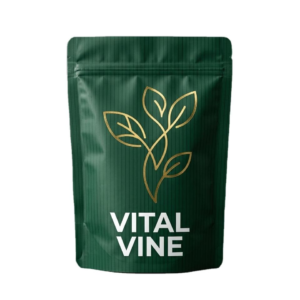
Custom Printed Mylar Tea Pouches for Stand-Up Display
Custom printed Mylar tea pouches are flexible stand-up bags made for branded tea packaging, with a leak-proof design intended to help retain dry leaves, fine tea particles, and aroma when the selected laminate and seals are appropriate. They suit tea brands, herbal-product companies, private-label buyers, distributors, wholesalers, and multi-SKU procurement programs. Pouch dimensions, barrier layers, closure details, and filling compatibility must be confirmed for the actual tea and destination market before production.
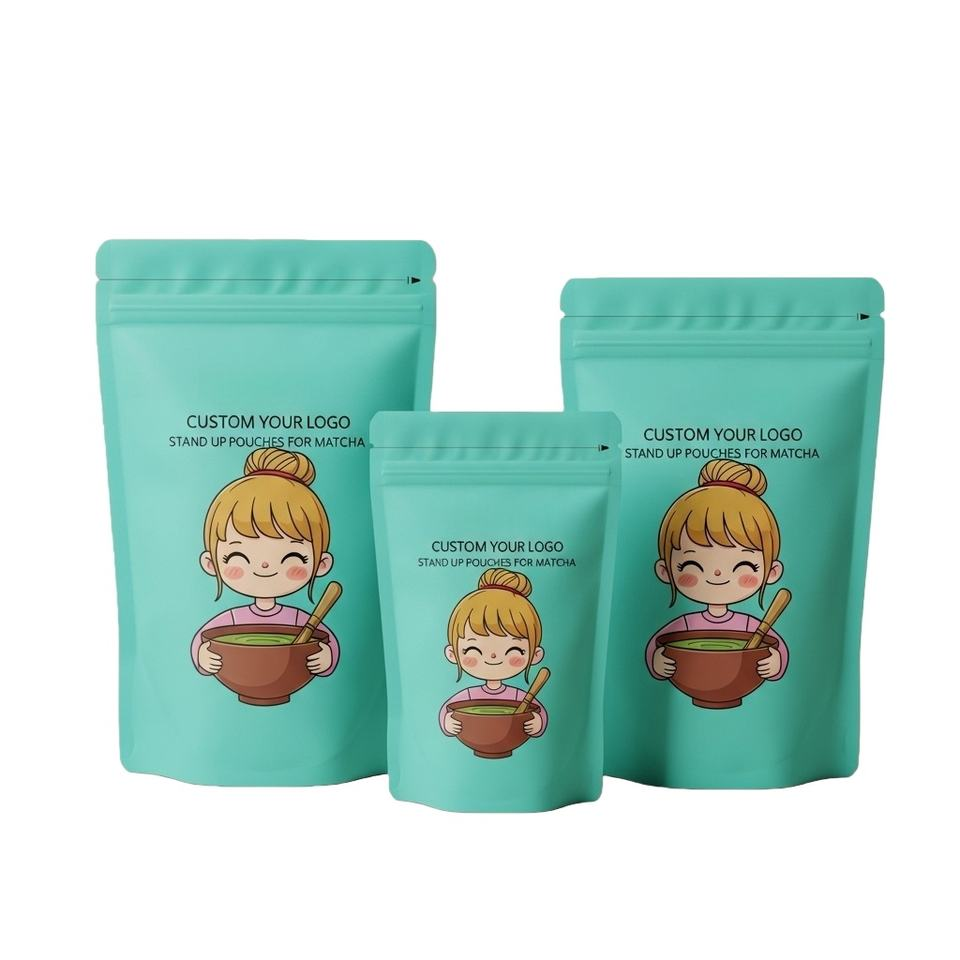
Product Specifications
| Product type | Custom printed flexible tea pouch |
|---|---|
| Pouch style | Stand-up pouch with bottom gusset |
| Material description | Mylar packaging; the complete laminate structure requires buyer confirmation |
| Intended contents | Tea; suitability for leaf, powder, sachets, or other formats depends on the final specification |
| Printing | Custom printed; artwork method, color requirements, and printable areas must be specified |
| Leak control | Specified as leak-proof; practical containment depends on laminate selection, seal geometry, closure, filling, and proper sealing |
| Closure | Not stated; zipper, heat-seal, or other closure requirements must be confirmed |
| Dimensions and capacity | Not stated; determine from tea density, fill weight, headspace, and filling method |
| Finish and appearance | To be selected and confirmed during specification |
Tea Formats and Intended Use
These leak-proof stand-up tea pouches can be specified for loose-leaf tea, fine-cut blends, powdered tea, or individually wrapped tea sachets, subject to material and closure review. Each format behaves differently. Sharp stems may increase puncture risk, fine powders can contaminate sealing areas, and bulky leaves may require more usable volume than their net weight suggests. Cannabis-infused or other regulated tea products may also require market-specific labeling and closure decisions that are not established by the pouch name alone.
Mylar Laminate and Barrier Decisions
Mylar laminate tea packaging generally uses multiple functional layers rather than a single film. Depending on the selected structure, layers may contribute printability, stiffness, puncture resistance, heat sealability, and protection from moisture, oxygen, aroma transfer, or light. The word “Mylar” does not establish a specific layer combination or verified barrier rate.
Tea quality can be affected by humidity, oxygen, light, and external odors. A suitable laminate helps limit these exposures and helps contain aroma when properly sealed. Buyers should identify the tea type, expected shelf-life conditions, distribution environment, and whether light exclusion is required. Any target oxygen transmission rate, moisture vapor transmission rate, or seal-strength requirement must be agreed through documented testing rather than assumed.
Stand-Up Gusset, Filling, and Headspace
The bottom gusset expands during filling so the pouch can stand on a shelf once loaded. Its performance depends on pouch width, gusset depth, fill distribution, and the rigidity of the laminate. The base should be evaluated using the actual product because dense powder, irregular leaves, and lightweight whole-leaf blends settle differently.
A stated fill weight does not determine one universal pouch size. Procurement teams should account for bulk density, settling, usable volume below the closure, and sufficient headspace for sealing equipment. Too little headspace can place tea in the seal area; excessive headspace increases material use and may make the pack appear underfilled.
Closure and Leak-Control Requirements
The “leak-proof” designation should be converted into a measurable RFQ specification. For dry tea, this commonly means controlling the escape of leaves or powder and limiting ingress through properly formed seams. It does not by itself establish suitability for liquid tea or permanent containment under every handling condition.
A resealable zipper may be configured for consumer convenience, while a final top heat seal can provide tamper evidence before first opening. These are separate functions. An ordinary press-to-close zipper is not automatically child-resistant. If the contents or destination market require child-resistant packaging, request a specific tested closure system and supporting documentation applicable to the final pouch configuration.
Custom Printing and Multi-SKU Control
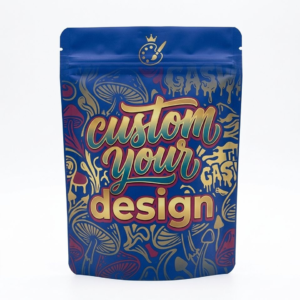
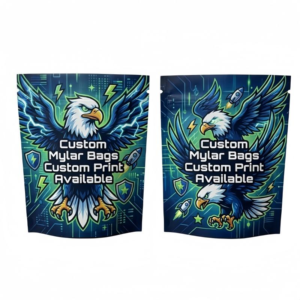
Custom tea packaging bags can carry brand graphics, blend names, preparation instructions, ingredient information, warnings, and variable SKU identification. Available printing methods, color control, ink systems, finishes, and edge clearances depend on the selected film and production specification. Artwork should be prepared on the approved dieline, with seals, gusset folds, tear features, and closure zones kept clear where required.
For private label tea pouches or multi-blend programs, use a common visual system while clearly differentiating flavors, strengths, or strains. Confirm whether every version shares one pouch size and laminate. Consolidating structures may simplify purchasing, but forcing products with different densities into one size can produce inconsistent headspace and shelf presentation.
Key Trade-Offs to Review
- Barrier versus visibility: A transparent window may help buyers see the tea, but it can reduce light protection depending on its construction and location.
- Stiffness versus handling: A stiffer laminate may improve shelf presentation but can affect folding, filling, and consumer handling.
- Compact size versus sealing space: Reducing pouch dimensions can save material, but insufficient headspace may interfere with zipper use or top sealing.
- Resealability versus regulated access: A standard zipper is convenient but does not replace a child-resistant system where one is required.
Compliance and Procurement Review
A wholesale stand-up tea pouch supplier should receive the destination country or state, sales channel, product composition, and applicable packaging requirements before quoting. Buyers remain responsible for confirming food-contact requirements, mandatory label content, language, recycling claims, warning panels, and any cannabis or herbal-product rules. Do not infer approval or certification from the pouch material, appearance, or closure style.
Frequently Asked Questions
Are these pouches suitable for both loose-leaf and powdered tea?
They can be configured for either format, but powder containment, puncture risk, seal contamination, and required barrier performance should be reviewed using the actual tea.
Does Mylar make the pouch completely smell proof?
No absolute odor claim should be assumed. Aroma containment depends on the complete laminate, closure, seal integrity, filling process, storage conditions, and how often the pouch is opened.
Is a resealable zipper included?
The input does not confirm a zipper. Specify whether the project needs a standard zipper, a child-resistant closure, a top heat seal, or a combination of these features.
How should the correct pouch size be selected?
Use the actual tea’s fill weight, bulk density, settling behavior, required headspace, and filling equipment. A physical fill trial is more reliable than choosing by weight alone.
Can multiple tea blends use the same pouch construction?
Potentially, but each blend should be checked for density, aroma sensitivity, particle size, barrier needs, label requirements, and compatibility with the selected dimensions and closure.
Request a Product-Specific B2B Quote
For an accurate RFQ, provide the tea format and fill weight, actual product dimensions or bulk-density information, desired pouch dimensions, order quantity, number of artwork versions, preferred barrier or laminate requirements, closure and tear features, finish, filling and sealing method, destination market, and applicable compliance needs. Include artwork files or a proposed dieline if available so printing zones, gusset graphics, seals, and SKU consistency can be reviewed before quotation.
Reviews
There are no reviews yet.