
Custom Printed Aluminum Foil Stand-Up Pouches
Custom printed aluminum foil stand-up pouches are glossy flexible bags with a bottom gusset and a heat-sealable opening. They provide cannabis brands, distributors, wholesalers, and private-label buyers with a printable package that can stand upright when its dimensions, gusset, laminate, and fill are correctly matched. They are a candidate for cannabis flower and other compatible dry products, but the contents, required barrier, closure, pouch size, and destination-market rules must be confirmed before an RFQ.
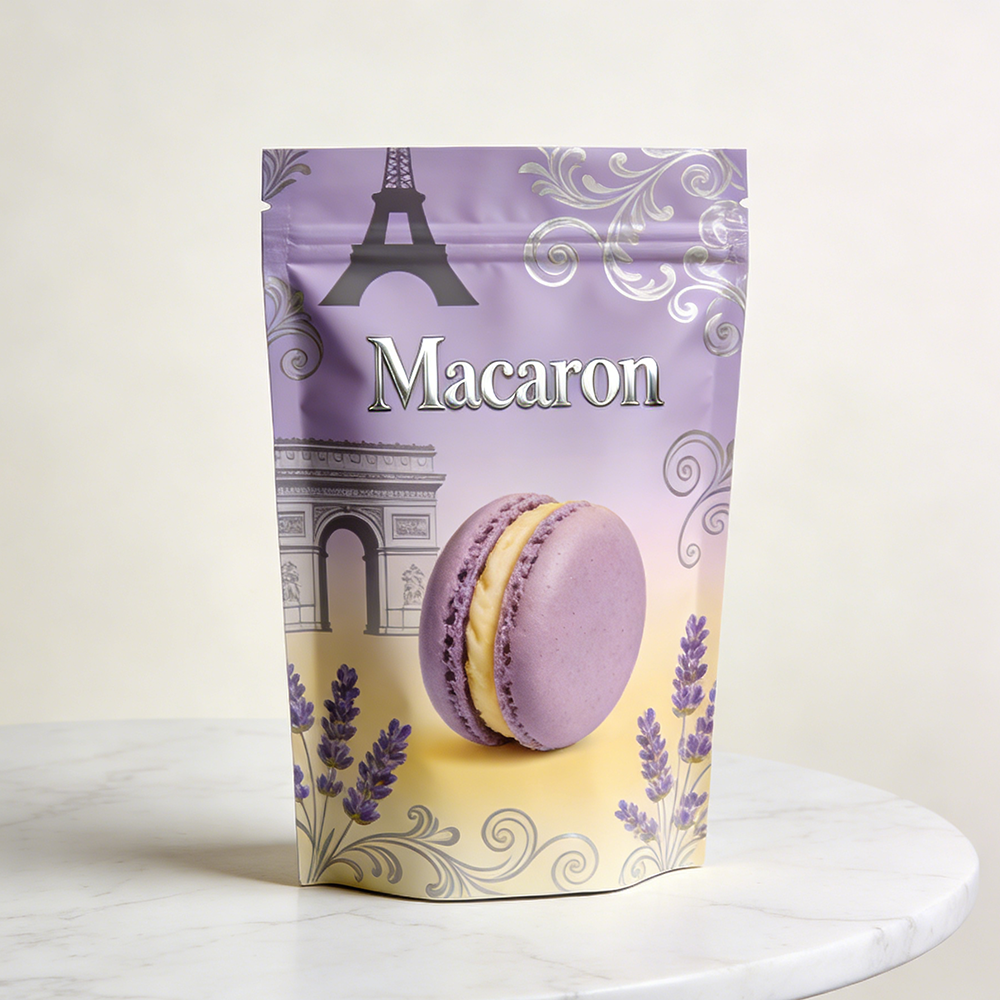
Product Specifications
| Specification | Product detail |
|---|---|
| Packaging format | Stand-up pouch with bottom gusset |
| Material | Aluminum foil packaging material; complete laminate structure must be confirmed |
| Surface appearance | Glossy |
| Printing | Custom printed; artwork method, color requirements, and print tolerances are subject to final specification |
| Sealing function | Heat-seal opening |
| Resealable closure | Not stated; a zipper may be configured if required and technically compatible |
| Child-resistant function | Not established; requires a specifically selected and tested child-resistant format |
| Dimensions and capacity | Buyer confirmation required based on the product, fill weight, density, headspace, and filling method |
| Barrier performance | Depends on the complete laminate, foil layer, seals, closure, and production quality |
| Primary B2B use | Custom, private-label, OEM/ODM, wholesale, and multi-SKU packaging programs |
Product Fit for Cannabis and Dry Goods
These heat-seal cannabis packaging pouches can be evaluated for flower, compatible edibles, or other dry contents. Cannabis flower selection should account for bud density, desired headspace, aroma retention, and the risk of compression. A nominal fill weight does not determine one universal pouch size: dense flower and airy flower can occupy substantially different volumes at the same weight.
For edibles, buyers should disclose whether the product contains oil, grease, sugar coatings, or residual moisture. Those characteristics affect the required food-contact layer, sealant, moisture barrier, and compatibility testing. Product suitability should be assessed using the actual contents rather than appearance alone.
Foil Laminate and Barrier Decisions
Aluminum foil is valued because an opaque foil layer can reduce light transmission and contribute to moisture, oxygen, and aroma protection. However, the word “foil” does not establish a complete barrier specification. Performance depends on the total laminate, foil gauge, outer print layer, inner sealant, adhesive system, zipper if selected, and integrity of the finished seals.
When properly filled and sealed, a suitable laminate can help contain cannabis aroma and limit environmental exposure. It is more accurate to describe the result as smell resistant than permanently smell proof. Seal contamination, pinholes, flex damage, an unsuitable closure, or an incorrect sealing window can reduce package performance. Buyers needing defined oxygen or water-vapor transmission targets should include those targets in the technical specification and request relevant test data for the proposed structure.
Stand-Up Gusset, Size, and Filling Behavior
The bottom gusset opens as the pouch is filled, creating its standing base and usable internal volume. Stability depends on pouch width, gusset depth, product distribution, fill level, and the rigidity of the laminate. An oversized pouch may waste shelf space and allow excessive product movement; an undersized pouch may compress flower, leave inadequate sealing clearance, or prevent the gusset from opening correctly.
Specify whether filling will be manual, semi-automatic, or automatic. The pouch mouth must provide enough access for the product and filling equipment while leaving a clean heat-seal zone. Cannabis flower fragments, powders, oils, or crumbs in that zone can interfere with seal formation. Prototype fitting with the actual product is advisable before confirming production dimensions.
Heat Seal, Zipper, and Child-Resistant Requirements
A heat-sealable pouch is designed for the top opening to be closed with compatible sealing equipment. The required temperature, pressure, and dwell time depend on the selected inner sealant and equipment. Buyers should confirm whether the package will be sealed once after filling or also needs repeated consumer access.
A standard press-to-close zipper, if added, provides convenience but does not automatically provide child resistance. Likewise, a heat seal or tear notch alone does not establish a child-resistant package. Regulated cannabis products may require a separately specified closure and evidence applicable to the exact finished package and destination market. Tear-notch placement should also be coordinated with the zipper, top seal, and artwork safe area.
Glossy Custom Printing and Multi-SKU Control
The glossy surface gives these custom printed cannabis pouches a reflective presentation and can support branded graphics, strain identification, warnings, and variable SKU layouts. The print process, number of colors, white ink requirements, image resolution, registration tolerances, and whether artwork is surface printed or protected within a laminate must be established during prepress.
Gloss creates visual contrast but can produce glare under strong retail lighting and may show handling marks differently from matte packaging. Foil also blocks product visibility. A clear window may be technically configurable in some structures, but it trades light protection and printable area for product visibility. The final die line must reserve space for seals, gusset folds, zipper components, tear notches, lot coding, and required regulatory information.
For private-label multi-SKU weed bags, provide a version list linking every strain or product name to its approved artwork file, dimensions, and print quantity. Shared dimensions and common design elements can simplify version control, but colors should be evaluated against the selected glossy substrate and print method rather than judged only from a screen.
Compliance and Specification Review
Packaging requirements differ by product type and destination. Buyers should identify where the filled product will be sold and whether rules address child resistance, tamper evidence, opacity, resealability, warnings, universal symbols, net contents, batch coding, or food-contact materials. These glossy aluminum foil stand-up bags should not be treated as approved or compliant until the final structure, closure, graphics, test evidence, and finished-pack use have been reviewed for the applicable market.
Frequently Asked Questions
What cannabis products can these pouches hold?
They can be specified for cannabis flower and other compatible dry products, while certain edibles may also be suitable. Final suitability depends on product chemistry, density, moisture or grease exposure, required barrier, and the selected food-contact layer.
Are glossy aluminum foil pouches smell proof?
No packaging should be assumed permanently smell proof. A suitable foil laminate and sound sealing system can help contain aroma when properly sealed, but performance depends on the complete structure, closure, seals, handling, and filled-product conditions.
Does heat-seal capability mean the pouch is resealable?
No. Heat sealing closes the pouch after filling. Repeated opening and closing requires a compatible zipper or another reclosure feature, which must be included in the specification.
Are these stand-up pouches child resistant?
Child resistance is not established by a standard zipper, tear notch, foil layer, or heat seal. It requires a specifically selected child-resistant design and appropriate evidence for the exact package and intended market.
How should the correct pouch size be selected?
Use the actual product volume, fill weight, density, desired headspace, gusset expansion, filling access, and seal clearance. Testing a sample with the real contents is more reliable than selecting dimensions from fill weight alone.
Request a Product-Specific B2B Quotation
For an accurate RFQ, provide the contents, target fill weight or actual product dimensions, preferred pouch dimensions, total quantity, quantity per artwork version, laminate or barrier requirements, zipper and tear-notch needs, glossy finish expectations, filling method, destination market, and applicable compliance requirements. Also submit the artwork version list and identify any coding area needed for lot, batch, or expiry information. These details allow a wholesale foil pouch manufacturer to assess structure, print layout, gusset geometry, seal configuration, and multi-SKU production requirements without relying on unsupported assumptions.

Reviews
There are no reviews yet.