
Custom Printed Whey Protein Pouches for 300g and 500g Packs
Custom printed whey protein pouches are stand-up flexible packages intended for 300g and 500g whey protein products. They give supplement brands, private-label buyers, distributors and multi-SKU purchasers a printable package with an upright retail format. The stated fill weights identify the intended pack formats, but they do not establish universal pouch dimensions because whey powder density, settling, required headspace and filling equipment can differ.
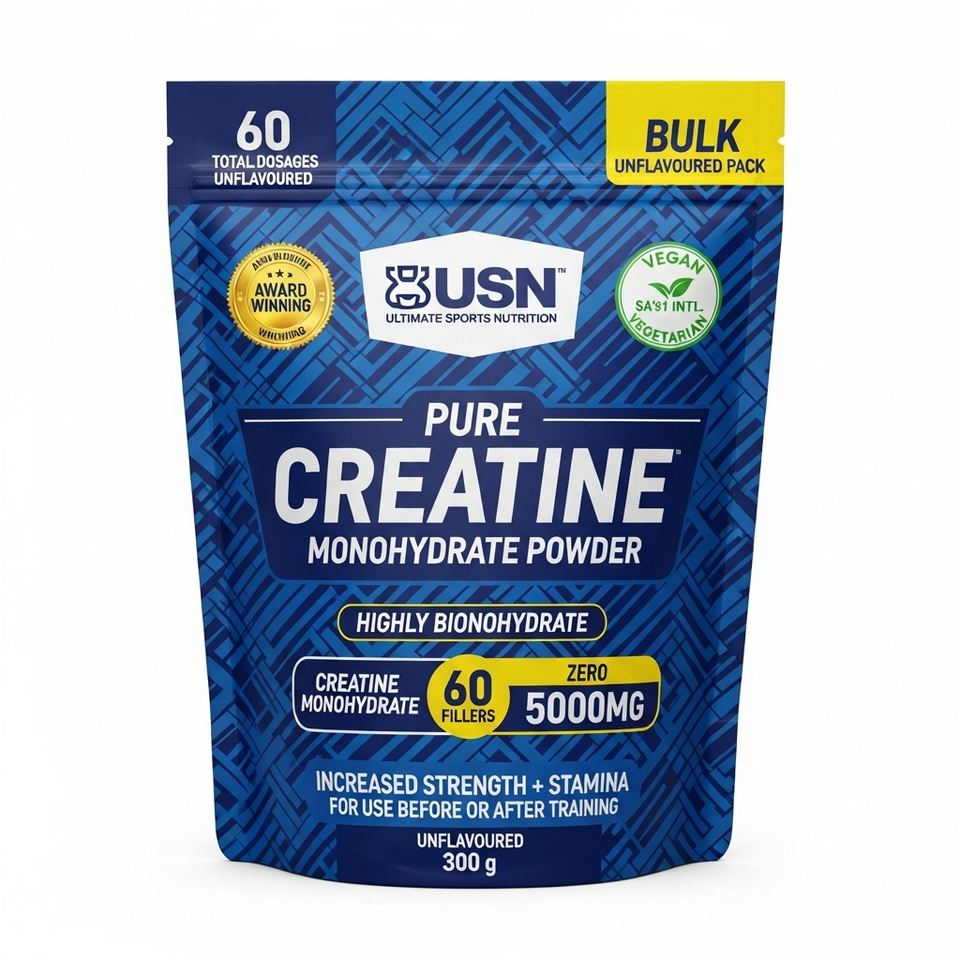
Product Specifications
| Product | Custom printed stand-up whey protein pouches |
|---|---|
| Intended contents | Dry whey protein powder |
| Declared fill formats | 300g and 500g |
| Pouch style | Stand-up pouch |
| Printing | Custom printed; printing method, color requirements and artwork limits must be confirmed |
| Material structure | To be selected according to barrier, sealing, finish and destination-market requirements |
| Closure | Zipper, tear notch and final heat-seal requirements are subject to specification |
| Dimensions | Must be confirmed using powder density, target fill weight, headspace and filling method |
| Finish | To be confirmed from available substrate and printing options |
| Buyer applications | Supplement brands, contract packers, private-label programs, distributors and multi-SKU orders |
Match Pouch Volume to Whey Powder Density
A 300g or 500g label claim is a weight, not a reliable indication of the package’s usable internal volume. Different whey formulations can have different bulk densities, and inclusions or flavor systems may change how the powder settles. The selected stand-up pouches for protein powder should hold the target weight while retaining enough headspace for filling, cleaning the seal area and closing the pouch consistently.
Buyers should provide the actual powder density or a filled sample whenever possible. A packaging supplier can then evaluate the proposed width, height, bottom gusset and usable volume. An oversized pouch may look underfilled and consume more material, while a pouch with insufficient headspace can contaminate the seal zone or make zipper use difficult.
Laminate and Barrier Decisions
Laminated whey protein packaging can be configured with multiple functional layers, depending on the final specification. The complete laminate—not a matte, metallic or glossy appearance by itself—determines resistance to moisture, oxygen, light and puncture. Moisture control is especially important for dry powder because exposure can contribute to clumping and loss of free-flowing behavior. Oxygen and light protection may also matter for flavor stability and sensitive formulation components.
The inner sealant layer must be compatible with the intended filling and heat-sealing process. Outer layers support printing, stiffness and handling, while a selected barrier layer may improve product protection. Exact layer composition, food-contact suitability, seal conditions and performance data must be confirmed for the packed product and destination market rather than inferred from appearance.
Stand-Up Format, Filling and Closure
The stand-up format uses an expandable base to create shelf presence and improve the pouch’s ability to remain upright. Gusset depth affects both usable volume and the footprint presented during filling. Buyers using manual, semi-automatic or automatic packing equipment should identify how the pouch will be opened, supported, filled and sealed.
A resealable zipper may be specified for repeated consumer access, while the area above it can be heat sealed after filling to provide an initial closed package. Tear notches may help users remove the top seal. These features must be positioned on the final die line so they do not conflict with artwork, fill level or sealing equipment. An ordinary press-to-close zipper is not a tested child-resistant closure; any special closure requirement must be stated separately.
Custom Printing and Multi-SKU Control
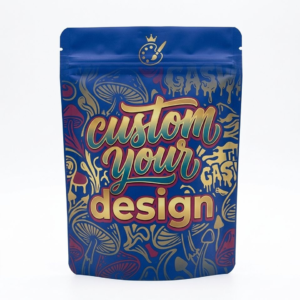
Custom protein powder bags can carry flavor identification, preparation directions, nutrition information, ingredients, warnings, lot-coding areas and brand graphics, subject to the selected print process and legal review. Artwork should be built on the approved die line with safe zones around seals, zipper tracks, tear notches and gusset folds. Fine text, color matching, metallic effects and finish options depend on the chosen substrate and printing method.
For private label supplement pouches or a family of flavors, buyers should define which design elements remain constant and which change by SKU. A controlled master layout can improve visual consistency, while clear artwork naming and version approval help prevent flavors, weights or regulatory panels from being mixed across 300g and 500g production files.
Product-Specific Trade-Offs
A larger pouch creates more headspace and may simplify filling, but it can make the finished pack appear less full. A more compact size improves fill presentation but leaves less tolerance for powder variation and seal-zone cleaning. Likewise, a clear window provides product visibility but can reduce light protection depending on its construction. Higher-barrier laminates may use more complex material combinations, so protection goals and end-of-life preferences should be reviewed together.
Compliance and Preproduction Checks
Whey protein is an ingestible product, so the final package should be reviewed for applicable food-contact, supplement-labeling and destination-market requirements. The brand or responsible market operator should approve mandatory copy, allergen statements, nutrition panels, net-weight declarations, traceability space and any required warnings. Packaging compatibility and shelf-life expectations should be validated with the actual formulation and sealing process.
Frequently Asked Questions
Are the 300g and 500g pouches one standard size?
No. The required dimensions depend on powder density, settling, headspace, gusset volume and filling method, so each fill format should be confirmed before production.
Can these pouches include a resealable zipper?
A zipper may be specified subject to the final design. Its type and position should be coordinated with the heat seal, tear notch, fill level and packing equipment.
What laminate is suitable for whey protein powder?
The structure should be selected for the required moisture, oxygen, light, puncture and seal performance. Exact materials and performance targets must be confirmed for the formulation and market.
Can one order cover multiple flavors or artwork versions?
Multi-SKU production may be planned using approved artwork versions, but quantities, print setup, color standards and version controls must be confirmed in the quotation.
Does a metallic or matte finish prove that the pouch has a high barrier?
No. Finish describes appearance, while barrier performance depends on the complete laminate, layer thicknesses and sealing system.
Request a B2B Quotation
To obtain an accurate quotation from a wholesale protein pouch supplier, provide the whey formulation type, 300g or 500g target fill, powder density or sample, preferred pouch dimensions, order quantity, number of artwork versions, barrier needs, zipper and tear-notch requirements, finish, filling method, destination market and applicable compliance needs. Final materials, die lines and sealing requirements should be approved before production.
Reviews
There are no reviews yet.