
Custom Printed 3.5g Die-Cut Cali Mylar Bags for Cannabis Flower
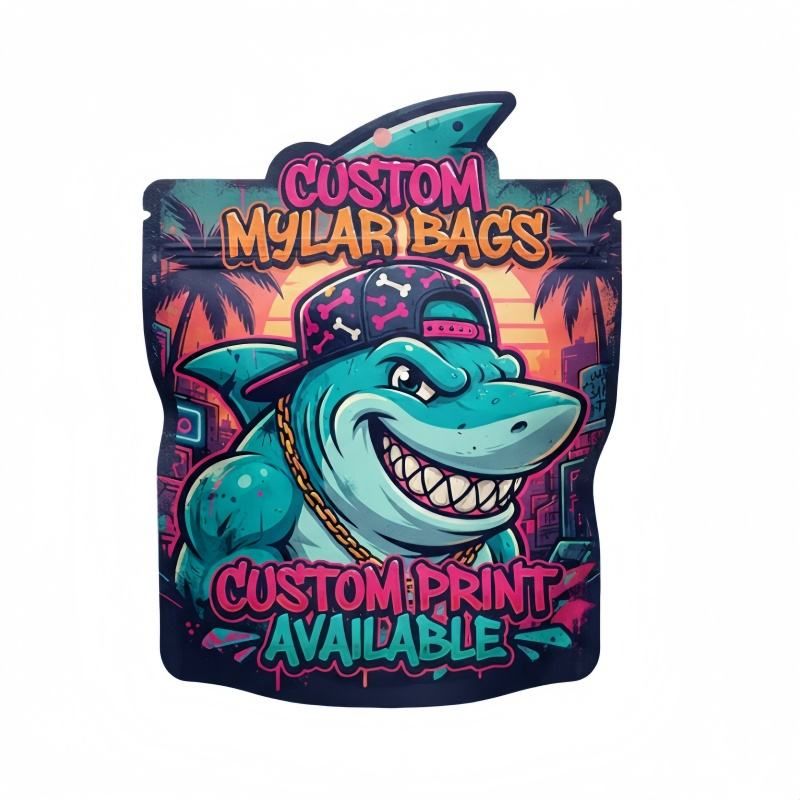
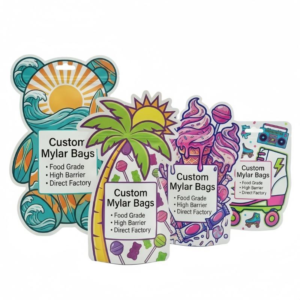
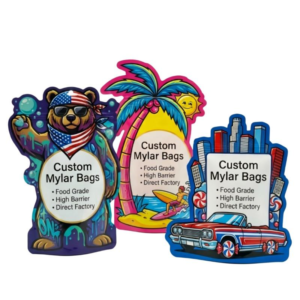
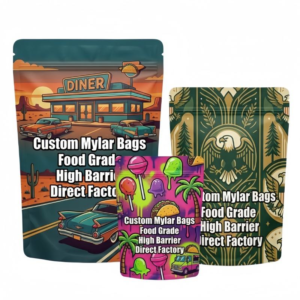
Custom printed 3.5g die-cut Cali Mylar bags are shaped cannabis pouches intended for brands, distributors, wholesalers, and private-label buyers packaging an approximately 3.5g product portion. Their defining combination is a die-cut format, Mylar packaging construction, smell-proof market positioning, and custom print potential. The stated 3.5g fill reference does not establish one universal pouch size, because flower density, trim, headspace, and the desired presentation can change the required dimensions.
These bags should be specified as a packaging format rather than treated as a finished compliance solution. Before requesting a quote, confirm the actual product dimensions, desired fill presentation, barrier structure, closure, artwork, quantity, and destination-market requirements.
Product Specifications
| Product type | Custom printed die-cut cannabis pouch |
|---|---|
| Reference fill | 3.5g; final usable volume and dimensions require confirmation |
| Material reference | Mylar packaging; complete laminate or substrate structure to be confirmed |
| Format | Die-cut Cali bag format |
| Odor positioning | Smell-proof market terminology; actual odor containment depends on structure and sealing |
| Printing | Custom printing; artwork area, colors, and print limitations require confirmation |
| Closure | Closure configuration is not specified and must be selected for the project |
| Intended B2B use | Portion packaging for cannabis flower or another buyer-approved product |
How the Die-Cut Format Fits a 3.5g Product
A 3.5g reference fill is not the same as a dimensional specification. Dense flower may occupy less volume than loose, airy flower, while larger buds can require more internal space and headspace. Ask the packaging supplier to review a representative product sample or accurate product measurements before finalizing the die line. The review should consider the filled width, height, thickness, opening position, seal area, and any corners that could restrict filling.
A shaped or flat die-cut pouch can create a distinctive shelf appearance and support consistent brand presentation across a product line. However, the usable internal area may be smaller than the outside outline suggests. Tight curves, narrow shoulders, or a decorative top can reduce filling clearance. If the filling process is automated, confirm whether the bag can be picked, opened, filled, and sealed reliably at the intended speed. Manual filling may allow more flexibility, but the operator still needs enough opening area to avoid product contact with the seal zone.
Mylar Structure, Odor, and Barrier Decisions
Mylar is a useful packaging reference, but appearance or a material name alone does not define the complete barrier system. The selected laminate, sealant layer, thickness, and sealing conditions influence resistance to aroma transfer, moisture movement, oxygen exposure, light, puncture, and heat. A properly selected structure can help contain aroma and protect the package contents, but “smell-proof” should be confirmed against the supplier’s actual construction and sealing process rather than accepted as an absolute performance guarantee.
For cannabis flower, odor containment and product protection often need to be considered together. A stronger barrier may improve protection from light, moisture, and aroma movement, while a heavier or stiffer structure can affect folding, opening behavior, and packaging cost. A flexible structure may be easier to handle but may offer a different puncture or stiffness profile. Request the proposed material specification and determine which properties matter for the product, storage conditions, filling method, and destination market.
Do not infer barrier performance from a matte, metallic, holographic, or other visual finish. The finish affects appearance and may influence how artwork is rendered, but the complete laminate and seal system determine the functional barrier. If the design includes a clear window, discuss the trade-off between product visibility and the light protection available in that area.
Closure, Seal, and Opening Configuration
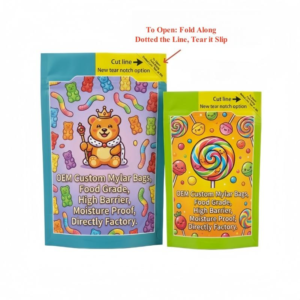
The input identifies the bag as a die-cut smell-proof format but does not specify a zipper, heat seal, tear notch, or child-resistant closure. These are separate decisions. A resealable zipper can support repeated access, while a heat seal can provide a sealed presentation when applied with suitable equipment and settings. A tear notch can help the user open the package, but it does not by itself make the packaging child-resistant.
If the destination market requires child-resistant packaging, request a closure system that is specifically designed and tested for that requirement. Do not describe an ordinary zipper as child-resistant without supporting test documentation. Confirm the opening sequence, seal width, zipper position, tear-notch location, and compatibility with the filling and sealing equipment. A closure that improves usability may reduce available artwork space or change the die-cut outline, so it should be included in the design review.
Custom Printing and Multi-SKU Brand Control
Custom printing allows a cannabis brand to distinguish strains, varieties, potency ranges, or product lines on the pouch. For a multi-SKU program, establish a master dieline and a controlled artwork system before production. Confirm the printable panel, safe margins, seal exclusion zones, barcode placement, variable-information areas, finish, color targets, and whether the chosen structure changes color appearance.
Private-label and OEM buyers should separate shared packaging elements from SKU-specific elements. The logo, brand colors, legal panel, and core product claims may remain consistent, while strain name, net contents, batch information, or other variable data may change. Ask the supplier how artwork versions are submitted and approved, and verify that every version uses the same dimensions, closure location, and required information areas. This reduces the risk of inconsistent presentation across a wholesale or distributor assortment.
Destination-Market and Product-Fit Review
Cannabis packaging requirements vary by destination market and by product category. Before artwork approval, the buyer should confirm the required warnings, symbols, child-resistance expectations, net-content presentation, labeling language, recycling or disposal information, and any restrictions on graphics or claims. This page does not establish that the bags are certified, approved, or compliant in a particular jurisdiction.
Also confirm whether the contents are cannabis flower or another product. Flower packaging decisions differ from those for edibles, concentrates, or pre-rolls. Flower buyers should review density, aroma, light, moisture, headspace, and bud size. If the bag will hold a product with grease, oils, or unusual moisture sensitivity, request a structure review for that specific application rather than relying only on the 3.5g reference.
What to Include in a B2B RFQ
A useful quotation request should include the actual contents, target fill weight, representative product dimensions, desired finished pouch dimensions, estimated quantity, number of artwork versions, material or barrier preference, closure type, finish, filling method, and destination market. Include whether the bag is intended for manual or automated filling, whether a tear notch or heat seal is required, and which compliance documents or tests must be reviewed.
Ask for a dimensioned drawing or preproduction sample for approval before committing to a full multi-SKU program. The sample review should check fill fit, headspace, seal clearance, opening behavior, print alignment, die-cut edges, and the way the filled bag presents. This is especially important when a decorative shape is part of the brand identity.
Frequently Asked Questions
Are these bags sized specifically for 3.5g of cannabis flower?
The product uses a 3.5g reference, but one universal size cannot be confirmed from fill weight alone. Flower density, bud size, headspace, and presentation requirements should be reviewed before the dimensions are finalized.
Are these custom printed Cali bags truly smell-proof?
They are described with smell-proof market terminology, but actual odor containment depends on the complete laminate, closure, and seal quality. The buyer should confirm the proposed structure and any available supporting test information.
Can I use an ordinary zipper if the market requires child-resistant packaging?
No child-resistant claim should be made for an ordinary zipper without supporting design and test documentation. If that requirement applies, specify and verify a closure system intended for the destination market.
Can multiple strains or SKUs use the same bag format?
Yes, a buyer can request a shared dieline with multiple artwork versions, subject to the supplier’s printing and production specifications. Confirm the artwork approval process, variable information, and consistency requirements in the RFQ.
What should I confirm before requesting a quotation?
Provide the contents, fill weight or actual product dimensions, desired pouch dimensions, quantity, artwork versions, material or barrier needs, closure, finish, filling method, destination market, and compliance needs.
Request a Product-Specific RFQ
For a quotation on these custom printed 3.5g die-cut Cali Mylar bags, send the contents, target fill weight or actual product dimensions, desired pouch dimensions, quantity, artwork version count, material or barrier preference, closure, finish, filling method, destination market, and compliance needs. Those inputs allow the packaging team to review fit, die-line space, sealing, artwork, and multi-SKU consistency without relying on assumptions.
Reviews
There are no reviews yet.