
Custom Printed Mini Smell-Proof Mylar Stand-Up Pouches
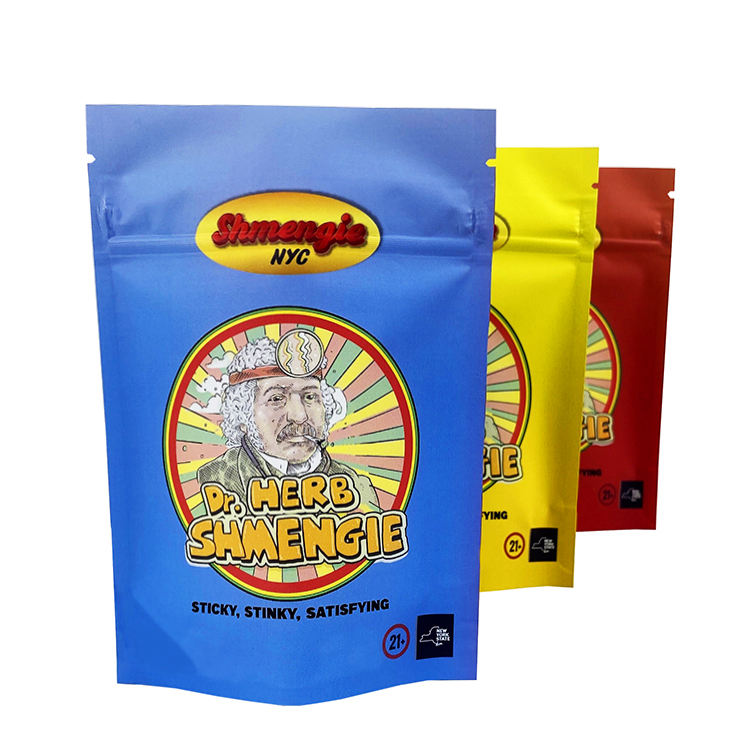
Custom printed mini smell-proof Mylar stand-up pouches are compact flexible bags for cannabis brands, private-label operators, distributors, wholesalers, and multi-SKU packaging programs. The product combines a mini stand-up pouch format, Mylar-based packaging, custom printing, and an odor-resistant positioning for packaged products where compact presentation and aroma containment are important. The exact pouch dimensions, laminate structure, closure, finish, and performance must be confirmed against the contents and destination-market requirements before production.
Product Specifications
| Product type | Mini stand-up pouch |
|---|---|
| Named material | Mylar |
| Printing | Custom printed |
| Odor function | Smell-proof positioning; actual aroma resistance depends on the complete structure and seal quality |
| Closure | To be confirmed; zipper, heat seal, tear notch, or another configuration may be available depending on the specification |
| Dimensions and usable volume | To be confirmed based on the product, fill weight, density, headspace, and required artwork area |
| Finish | To be confirmed; selected appearance must be matched to the substrate and print specification |
| Intended buyer | Cannabis brands, private-label and OEM/ODM buyers, distributors, wholesalers, and multi-SKU purchasers |
Match the pouch to the contents
A mini pouch is not defined by one universal fill weight. The right format depends on whether the contents are dense or bulky, their actual dimensions, the desired headspace, and how the pack will be filled. Flower density can vary by strain and preparation, while pre-rolls require enough internal length and width to reduce movement and crush risk. Edibles may need a structure that helps manage moisture or grease, plus enough printed area for serving, warning, and product information.
Before requesting a quotation, provide the actual product dimensions and target fill weight rather than relying only on a nominal size. Headspace affects presentation, resealing, and the amount of air remaining above the contents. Excess headspace can make a pouch look underfilled and allow more movement; insufficient headspace can interfere with filling, zipper engagement, or heat sealing.
Material, barrier, and aroma considerations
Mylar identifies the named packaging material, but appearance alone does not establish the complete barrier structure. A pouch may be configured with different laminate layers depending on the required balance of odor resistance, moisture protection, oxygen control, light protection, puncture resistance, stiffness, and heat sealability. Barrier performance comes from the complete laminate, seal geometry, and processing conditions rather than from the printed artwork or surface appearance alone.
For cannabis products with a noticeable aroma, an appropriate barrier structure and properly sealed closure can help contain aroma and make the package smell resistant. The term smell-proof should therefore be evaluated against the selected material, seal design, filling process, and handling conditions. Ask for the proposed structure and any available technical information if aroma, moisture, or oxygen protection is critical to the application. A metallic or opaque appearance may help support light protection, but it does not by itself prove a specific barrier value.
Stand-up construction and closure choices
The bottom gusset allows the pouch to stand during filling, inspection, storage, and display. Gusset width, seal placement, opening position, and filled-product shape affect how the pouch stands and how much of the front panel remains usable for branding. A narrow pouch may suit a compact product, while a wider format can provide more stable presentation and a larger artwork field. These decisions should be checked against the filling equipment and the way operators load and close each SKU.
A resealable zipper can support repeated opening and closing, but an ordinary zipper should not be described as a tested child-resistant closure. If the destination market requires child-resistant packaging, specify that requirement separately and confirm the proposed closure, testing, documentation, and final pack configuration. A heat seal may improve tamper evidence and aroma containment after filling, while a tear notch can make the first opening easier. Combining a zipper, heat seal, or tear feature affects the opening sequence and the available top-seal area.
Custom printing and multi-SKU control
Custom printing lets a cannabis brand distinguish strains, flavors, product types, or private-label programs on the pouch itself. Confirm the artwork area, front and back panel requirements, gusset printing, color references, barcode placement, warning space, and any variable information before approving a dieline. The usable print area is limited by seals, zipper placement, tear notches, curves, and the selected pouch dimensions.
For a multi-SKU program, define which elements remain consistent and which change between versions. A shared pouch size and material structure can simplify procurement, but different products may still need different headspace, closure, or information panels. A consistent template can help with brand recognition, while strain-specific artwork and identification fields reduce mix-ups during filling and distribution. Artwork versions, language requirements, and destination-market labeling should be listed separately in the RFQ.
Finish, visibility, and practical trade-offs
Finish options may include matte, gloss, metallic, or other effects depending on the selected substrate and printing process. These choices influence shelf appearance, scuff visibility, color reproduction, and how easily operators read variable information. A premium-looking finish does not establish odor, moisture, oxygen, or light barrier performance.
One practical trade-off is between a more visually revealing design and stronger light protection. A clear window can help buyers see the contents, but it reduces opacity in that area and may not suit products that require greater light shielding. An opaque or metallic appearance can provide a more concealed presentation, but the contents cannot be inspected visually through the pouch. Select the appearance after confirming the product sensitivity, labeling needs, and destination-market expectations.
Destination-market and RFQ checks
Cannabis packaging requirements vary by destination market and product category. Confirm whether the final package needs child-resistant features, tamper evidence, specific warning or labeling space, food-contact suitability, recycling information, or other documentation. These requirements should be reviewed with the responsible compliance team; the pouch name alone does not establish approval or compliance.
For an accurate B2B quotation, send the intended contents, actual fill weight, product dimensions, desired pouch dimensions, quantity, number of artwork versions, material or barrier target, closure preference, finish, filling method, destination market, and compliance needs. Also identify whether the pouch will receive a separate heat seal and whether the design requires a zipper, tear notch, window, or special opening position. This information allows the supplier to evaluate fit, seal area, artwork, and production configuration without assuming missing specifications.
Frequently asked questions
Are these pouches suitable for cannabis flower?
They may be suitable for cannabis flower when the mini format, usable volume, headspace, and selected barrier structure match the actual flower density and target fill weight. Confirm the dimensions and closure before approval because one pouch size does not fit every flower product.
Does Mylar alone guarantee smell-proof performance?
No. Aroma resistance depends on the complete laminate, closure, seal geometry, and sealing process. A properly specified and sealed structure can help contain aroma, but the final performance should be confirmed for the intended product and handling conditions.
Can I use an ordinary zipper for child-resistant cannabis packaging?
An ordinary resealable zipper should not be treated as a tested child-resistant closure. If child resistance is required, state it in the RFQ and confirm the proposed closure, testing, documentation, and destination-market requirements.
Can different strains or SKUs use the same pouch format?
They may share a common pouch size and material structure when their product dimensions, fill weights, headspace, closure needs, and labeling requirements are compatible. Confirm each SKU separately to avoid poor fit or insufficient information space.
What information should be included in an RFQ?
Include the contents, actual fill weight or product dimensions, desired pouch dimensions, quantity, artwork versions, material or barrier target, closure, finish, filling method, destination market, and compliance needs. Also identify any heat-seal, tear-notch, window, or opening-position requirements.
Request a product-specific quotation
Send your contents, fill weight or actual product dimensions, desired pouch dimensions, quantity, artwork versions, material or barrier requirements, closure, finish, filling method, destination market, and compliance needs for a product-specific review of these custom printed mini smell-proof Mylar stand-up pouches. The supplier can then confirm the proposed structure, usable volume, artwork area, sealing configuration, and quotation assumptions before you approve the packaging specification.

Reviews
There are no reviews yet.