
Custom Printed Cannabis Die-Cut Bags for 3.5g–28g Formats
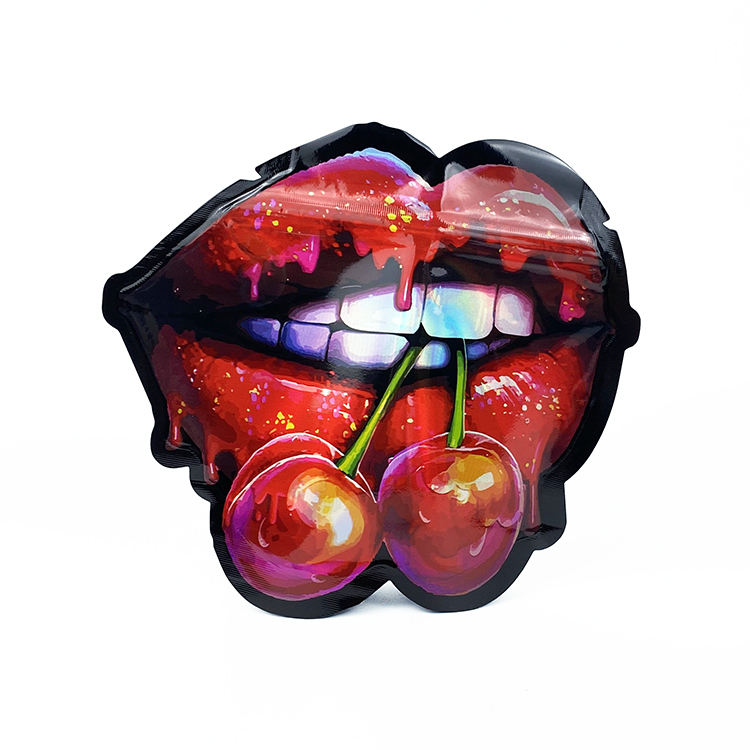
These custom printed cannabis die-cut bags are shaped flexible packaging with a zipper closure for cannabis brands, distributors, wholesalers, and private-label buyers developing multiple fill-weight or strain SKUs. The stated range is 3.5g–28g, but the correct physical bag size still depends on the packed product’s density, dimensions, settling behavior, headspace, and filling method. The product is described as smell-proof packaging; in procurement terms, odor resistance depends on the selected material structure, seal quality, closure design, and how the finished bag is filled and closed.
Product Specifications
| Product type | Custom printed die-cut flexible bags |
|---|---|
| Stated fill-weight range | 3.5g–28g; final size and usable volume require confirmation |
| Closure | Zipper closure; ordinary resealability should be distinguished from a tested child-resistant closure |
| Odor function | Marketed as smell-proof; actual odor containment depends on the complete structure and sealing system |
| Material | Laminate or film structure to be confirmed for the selected barrier and appearance |
| Printing | Custom printing for brand, strain, variant, and regulatory artwork |
| Format | Die-cut bag; die line, seal geometry, opening position, and usable print area require confirmation |
How the Bag Structure Affects Odor and Product Protection
For 3.5g–28g smell-proof zipper bags, the zipper is only one part of the containment system. The film or laminate controls much of the package’s resistance to aroma transfer, moisture movement, oxygen transmission, light exposure, puncture, and flex cracking. A suitable barrier structure can help contain aroma and protect product quality when the bag is properly sealed, but the appearance alone does not identify the barrier. Matte, metallic, holographic, kraft-look, or other surface effects may be configured with different substrate combinations.
Ask for the proposed laminate structure rather than selecting material by appearance only. A stiffer construction may improve handling, die-cut definition, and puncture resistance, while a softer structure may be easier to fill and fold. More barrier layers can affect heat-sealing conditions, artwork reproduction, minimum seal width, recyclability considerations, and cost. If a transparent window is requested, it can improve product visibility but may reduce light protection in that area. Barrier expectations, seal settings, and any requested OTR or MVTR targets should be confirmed during the RFQ rather than assumed.
Fill Weight Is Not the Same as Pouch Capacity
The 3.5g–28g range identifies the stated packaging formats, not one universal pouch dimension. Cannabis flower density can vary substantially between cultivars and processing conditions. A 3.5g fill may need a different internal volume from a dense 3.5g fill, and a 28g format requires enough room for insertion, settling, closure engagement, and practical headspace. Excessive headspace can increase movement and unused material; insufficient headspace can interfere with the zipper, top seal, or clean presentation.
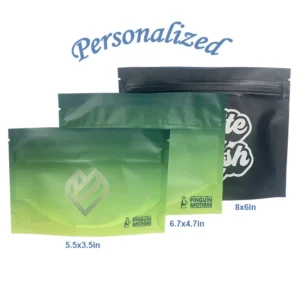
For flower programs, provide the actual packed product dimensions or a representative sample specification, not only the target weight. Confirm the desired finished width, height, die-cut profile, zipper position, opening size, and top-seal allowance. The supplier should verify that the usable interior volume matches the intended product after filling. If the packaging will hold another cannabis format, such as small units or dry goods, provide the unit dimensions, count, orientation, and crush or movement concerns before the bag is engineered.
Die-Cut Shape, Zipper, and Sealing Decisions
A die-cut silhouette can make a multi-SKU range more recognizable, but the shape must leave enough area for the zipper, heat seal, artwork, and comfortable opening. Narrow corners, deep curves, or small seal lands can complicate filling and may reduce tolerance during production. The filling line also matters: manual packing, semi-automatic equipment, and automated equipment can require different opening behavior, stiffness, and registration control.
The included zipper supports resealing after opening, but it should not be described as child-resistant unless a specific tested child-resistant closure is selected and documented. A heat seal above the zipper may provide a tamper-evident or production seal when specified, while a tear notch can make the initial opening easier. These features involve trade-offs: a stronger permanent seal can improve initial containment but requires opening by tearing, and adding a zipper, tear notch, or shaped profile uses space that may otherwise support artwork or headspace. Confirm the closure construction, seal method, tear direction, and opening position before approving tooling.
Custom Printing for Strains and Private-Label Programs
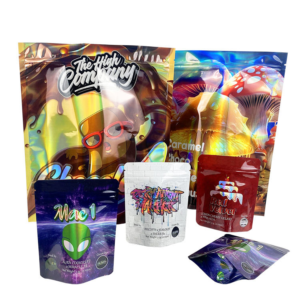
Custom printing allows a cannabis brand to coordinate strain names, product variants, dosage panels, warnings, batch fields, and distributor or private-label information across one packaging family. For barrier laminate cannabis pouches, artwork should be prepared against the actual dieline, including zipper, heat-seal zones, curves, registration limits, and any transparent or metallic areas. Ask which portions are printable, whether white ink or a special effect is available, and how the selected substrate may change color, opacity, or fine-detail reproduction.
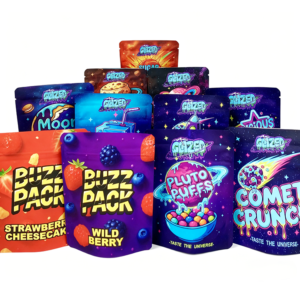
Multi-SKU purchasers should plan the artwork system before requesting production. Confirm the number of versions, whether each version uses identical dimensions and material, which text changes between strains, and how variable information will be supplied. Standardizing the bag profile can simplify filling and shelf presentation, while changing every SKU’s shape or structure can increase approval work and manufacturing complexity. Keep the final file set aligned with the destination market’s packaging and labeling requirements; those requirements are not established by the product description alone.
Odor-Resistant Packaging and Destination-Market Review
Buyers searching for odor-resistant marijuana packaging bags should evaluate the complete finished package rather than the zipper in isolation. Confirm the selected film structure, zipper engagement, heat-seal width, die-cut tolerances, and handling conditions. Aroma containment may change if the bag is overfilled, the zipper track is contaminated with product, the heat seal is incomplete, or the laminate is damaged during transport or filling.
Before production, the importer, brand owner, or distributor should review the destination market’s rules for cannabis packaging, labeling, warnings, child resistance, tamper evidence, recyclability statements, food-contact considerations where relevant, and required testing. An ordinary zipper does not establish child resistance or regulatory compliance. The appropriate evidence, testing, and documentation must be specified for the target market and confirmed with the packaging supplier and the buyer’s compliance team.
RFQ Information for Private-Label and Wholesale Buyers
For private label weed bags wholesale programs, an accurate quotation starts with a complete specification. Send the intended contents, target fill weight, actual product dimensions or representative sample details, desired finished bag dimensions, number of artwork versions, preferred material or barrier objective, zipper and heat-seal requirements, finish, die-cut profile, filling method, and destination market. State whether the package needs an initial heat seal, tear notch, child-resistant feature, variable data area, or visibility window.
Also identify how the bags will be packed and inspected after filling. The supplier can then review usable volume, headspace, opening access, artwork placement, sealing conditions, and consistency across SKUs. If you are comparing a cannabis packaging manufacturer with a distributor or importer, request the same technical details from each source so the quotations are comparable. Final commercial terms, tooling, samples, production timing, quantities, and testing documentation should be confirmed directly in the RFQ.
Frequently Asked Questions
What fill weights are listed for these die-cut bags?
The stated range is 3.5g–28g. The correct dimensions are not determined by weight alone, so provide product density, dimensions, and filling information for size confirmation.
Does the zipper make the bag child-resistant?
No. A standard zipper provides resealing, but child resistance requires a separately specified closure and applicable testing or documentation for the destination market.
Can the laminate be selected for stronger odor and moisture protection?
The material structure can be discussed according to the required barrier objectives. Odor, moisture, oxygen, light, and puncture performance depend on the complete laminate and sealing system and should be confirmed before approval.
Can one bag format support several cannabis SKUs?
Potentially, if the internal volume, headspace, dieline, artwork area, and closure position work for each product. Different flower densities and fill weights may require separate dimensions or filling validation.
What should be included in an RFQ?
Include the contents, fill weight or actual product dimensions, desired pouch dimensions, quantity, artwork versions, material or barrier needs, closure, finish, filling method, destination market, and compliance requirements.
Request a Product-Specific RFQ
Send your contents, target fill weight, actual product dimensions, desired bag dimensions, quantity, artwork versions, laminate or barrier objectives, zipper and seal requirements, finish, filling method, destination market, and compliance needs. These details allow the bag format, usable volume, die-cut profile, printing area, and closure specification to be reviewed before quotation.

Reviews
There are no reviews yet.