
3.5g–28g Holographic Ziplock Mylar Bags for Cannabis Packaging
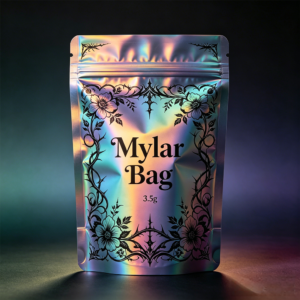
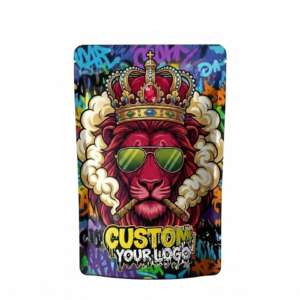
3.5g–28g holographic ziplock mylar bags are die-cut flexible pouches for cannabis brands, distributors, wholesalers, private-label programs, and multi-SKU buyers evaluating packaging for different flower fill weights. The holographic appearance creates a reflective visual effect, while the ziplock provides a resealable opening for routine handling. The stated 3.5g–28g range is a purchasing reference, not proof that one universal pouch dimension suits every product density or fill format.
Product Specifications
| Product type | Die-cut flexible mylar bag |
|---|---|
| Stated fill range | 3.5g–28g; confirm the actual usable volume for the selected product |
| Appearance | Holographic |
| Closure | Ziplock resealable closure |
| Packaging format | Bag or pouch; final seal geometry and opening position require confirmation |
| Material structure | Mylar is stated; complete laminate and barrier specification require confirmation |
| Printing | Custom printing may be configured subject to artwork, substrate, and production specification |
| Child resistance | Not established by the stated ziplock feature; confirm separately if required |
Fit, Density, and Headspace
A nominal flower weight does not determine one universal bag size. Flower density, trim, particle size, compaction, and the desired presentation all change the space required inside the pouch. A 3.5g fill may need a different usable volume from another 3.5g product with a looser structure. The 28g end of the range also requires careful review of pouch width, height, seal area, and opening clearance.
For an RFQ, provide the actual product dimensions or a representative sample specification, target fill weight, expected density, and preferred headspace. Excessive headspace can allow movement and affect presentation, while insufficient headspace can make filling difficult and place stress on the zipper or top seal. A filling trial with the proposed die-cut shape can help confirm loading behavior before a multi-SKU order.
Holographic Mylar Structure and Barrier Decisions
Holographic appearance describes the visual effect; it does not by itself define the complete barrier structure. Mylar packaging can be configured with different film and laminate combinations, and barrier behavior depends on the entire structure, printing layers, seals, and handling conditions. Confirm the proposed material construction when aroma retention, moisture control, oxygen exposure, light protection, puncture resistance, stiffness, or heat sealing are important to the product.
Depending on the selected laminate and proper sealing, the bag may help contain aroma and protect the contents from environmental exposure. Do not treat the words “smell proof” or “odor proof” as a permanent performance guarantee without agreed test requirements. A more robust barrier may improve protection but can influence stiffness, fold behavior, appearance, seal settings, and cost. Ask for the intended barrier specification and any available technical data during quotation rather than assuming the holographic finish establishes performance.
Ziplock, Heat Seal, and Child-Resistance Review
The ziplock supports repeated opening and closing during normal use, but it is not automatically a tested child-resistant closure. If the destination market or product program requires child-resistant packaging, confirm whether a separate tested closure or another compliant package format is needed. The ordinary zipper should also be evaluated alongside any planned heat seal.
A heat seal can provide a sealed presentation above the zipper when the selected structure and equipment support it. The zipper, top seal, tear feature if specified, and die-cut edge must work together with the filling line. Confirm the opening position, seal width, seal temperature range, and whether a tear notch is required; none of these details is established by the product name alone.
Die-Cut Shape, Filling, and Handling
The die-cut format can support a distinctive silhouette for a branded cannabis packaging line, but the shape reduces the importance of nominal outside dimensions. Usable fill area is governed by the internal die line, seal margins, zipper placement, corner geometry, and any artwork-safe zones. Shaped edges may also affect how bags stack, orient, open, and move through a manual or semi-automatic filling process.
For flower, check that the opening is wide enough for the filling method and that the filled bag can close without trapping material in the zipper track. Confirm whether the product will be filled by hand, with a scale, or on equipment. Buyers should also review whether the selected structure provides enough stiffness for display while remaining flexible enough for filling and handling.
Custom Printing and Multi-SKU Consistency
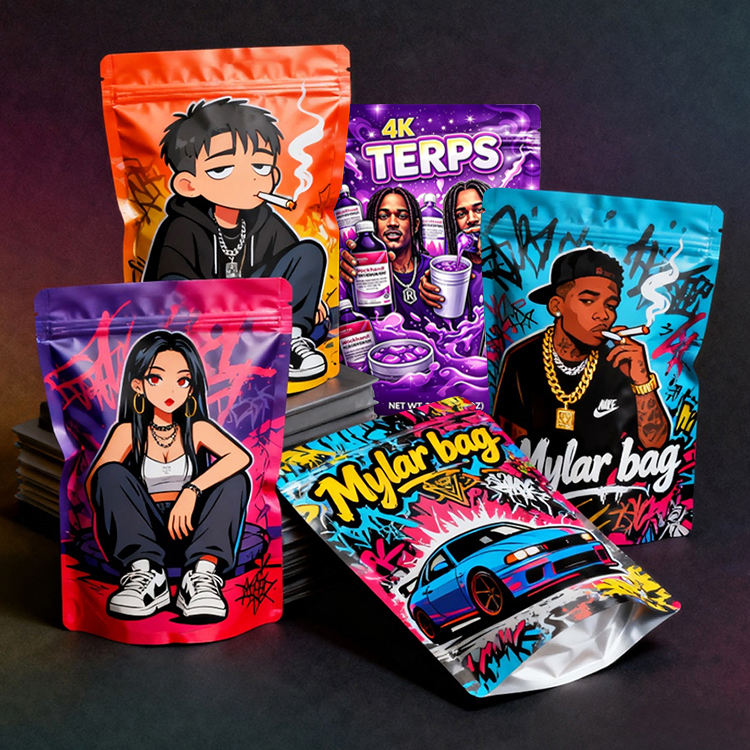
Custom printed holographic weed bags can carry strain names, weights, brand graphics, variable identifiers, and destination-market information. The holographic effect may change color perception, contrast, and fine-detail visibility, so request a physical or digital proof on the intended substrate. Confirm the printable area, die line, zipper and seal exclusion zones, color expectations, finish, and whether artwork must be adapted to the reflective background.
Private-label marijuana packaging bags are often purchased in several strain, flavor, or weight versions. Before approving a program, align all SKUs to one dieline, material structure, zipper position, fill-weight convention, and artwork architecture where possible. Consistency makes incoming inspection and line setup easier. If some SKUs need different dimensions or barrier properties, identify those differences in the specification instead of assuming that one bag will perform identically across the range.
Destination-Market and Compliance Checks
Packaging requirements vary by destination market and by the packaged product. Confirm the required label area, warning language, net-weight presentation, lot or batch information, recycling or disposal statements, and any restrictions on appearance or marketing claims with the responsible regulatory team. If the bag will contact edibles or another product category with food-contact requirements, confirm the applicable material and documentation needs separately. The stated holographic mylar construction and ziplock do not establish certification, approval, or compliance status.
Buyer FAQ
Are these bags suitable for 3.5g through 28g of cannabis flower?
The product is identified with a 3.5g–28g range, but actual fit depends on flower density, fill presentation, headspace, and the selected pouch dimensions. Confirm the usable volume and test a representative fill before approving production.
Does the holographic finish make the bag odor proof?
No absolute odor claim should be assumed. Depending on the complete laminate structure and proper sealing, the bag may help contain aroma. Confirm the barrier specification and any required performance testing for the intended use.
Is the ziplock child resistant?
The stated ziplock is a resealable closure, but child resistance is not established by that feature alone. If child-resistant packaging is required, confirm a separately tested closure or an alternative package format.
Can the bags be custom printed for multiple strains?
Custom printing may be configured subject to the artwork, holographic substrate, die line, printable area, and final production specification. Multi-SKU buyers should submit the number of artwork versions and confirm proofing requirements.
What should be included in a quotation request?
Include the contents, fill weight, actual product dimensions or sample details, desired pouch dimensions, quantity, artwork versions, material or barrier preference, closure requirements, finish, filling method, destination market, and compliance needs.
Request a B2B Specification Review
To request pricing or a technical quotation, send the target contents, fill weight, product dimensions, desired bag dimensions, quantity, artwork versions, material or barrier requirements, zipper or heat-seal requirements, holographic finish expectations, filling method, destination market, and compliance needs. These details allow the die-cut geometry, usable volume, laminate, closure, and artwork setup to be reviewed as one packaging specification.
Reviews
There are no reviews yet.