
Custom Printed Flat Pouches with Extended Warning Panels
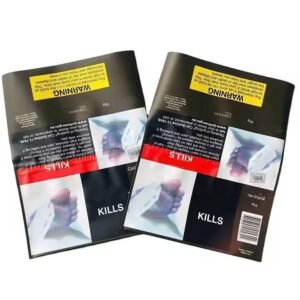
Custom printed flat pouches with extended warning panels are flexible cannabis packaging bags designed for brands, distributors, wholesalers, and private-label buyers that need more visible space for warnings, regulatory statements, product identity, strain information, and retail-facing graphics. Unlike a stand-up pouch, this flat pouch format has no bottom gusset, so buyers should confirm usable fill volume, seal geometry, opening position, and artwork layout before requesting a quotation.
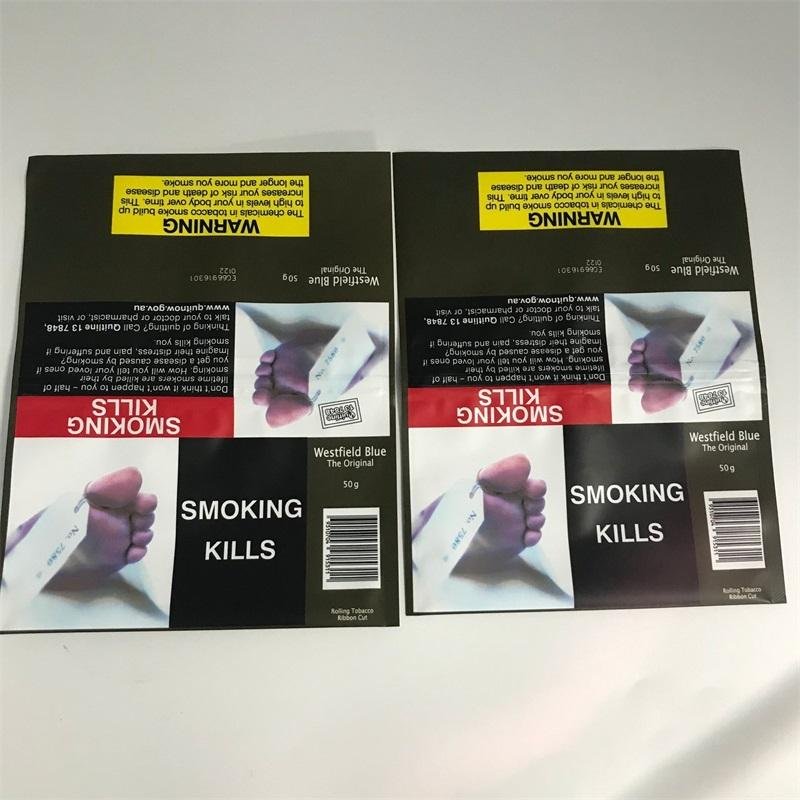
The defining feature is the extended warning panel area. This can help cannabis brands allocate clear space for caution statements, cannabinoid details, batch or label zones, and destination-market text without compressing the main brand artwork. Final compliance language, symbol placement, font size, and label format must be confirmed by the buyer for the intended market.
Product Specifications
| Product type | Custom printed flat pouch with extended warning panel |
|---|---|
| Intended category | Cannabis, marijuana, weed, hemp, edibles, pre-roll accessories, or other regulated packaged goods, subject to final specification |
| Pouch style | Flat pouch / three-side-seal or similar flat bag construction, depending on approved dieline |
| Gusset | No stand-up bottom gusset implied; usable volume must be confirmed by sample or dieline |
| Material structure | Can be configured with selected flexible laminate films; barrier level depends on the complete structure and seals |
| Printing | Custom printed artwork, warning panel, strain or SKU graphics, and private-label branding subject to artwork review |
| Closure | May include heat seal, tear notch, resealable zipper, or other closure options if specified |
| Child-resistant function | Not assumed; must be specified separately if a tested child-resistant package is required |
| Finish | May be configured as matte, gloss, soft-touch, metallic, holographic, kraft-look, or other approved finish depending on substrate |
| Buyer confirmations | Contents, fill weight, pouch dimensions, artwork versions, barrier requirements, closure, filling method, and destination-market compliance needs |
Where This Flat Pouch Format Fits
Flat pouches are often selected when the product has a low profile, when cartons or display trays manage shelf presentation, or when the buyer wants efficient multi-SKU packaging without a bulky gusset. For cannabis flower, the buyer should evaluate density, bud structure, headspace, and the risk of compression. For pre-roll related items, length, diameter, and internal movement matter. For edibles, moisture sensitivity, grease contact, serving information, and food-contact requirements should be reviewed before finalizing materials.
This format is also useful for Cali bags, marijuana baggies, sample packs, insert packs, small-volume promotional SKUs, and regulated product lines that require prominent warning copy. A stated fill weight does not define one universal pouch size because cannabis flower density, edible shape, and pre-roll dimensions vary significantly.
Laminate, Barrier, and Product Protection Choices
The barrier performance of flat mylar weed bags depends on the complete laminate structure, not only the surface appearance. PET, PE, CPP, metallized film, foil layers, paper-based outer webs, or other flexible materials may be combined depending on stiffness, sealability, print quality, and barrier target. A metallic or holographic look does not automatically confirm a foil barrier, and a kraft appearance does not mean the pouch is paper-only.
For cannabis products, the structure may be selected to help contain aroma, resist moisture transfer, reduce oxygen exposure, improve puncture resistance, or block light. These functions are conditional on the chosen film, seal quality, zipper design, and filling process. Buyers comparing aroma-control requirements can review smell resistant packaging options, while high-aroma flower or terpene-sensitive products may require a more protective laminate and a reliable final heat seal.
A real trade-off is visibility versus protection. A clear window can show product color and texture, but it may reduce light protection and change the available warning-panel layout. A thicker or foil-based structure may improve stiffness and barrier potential, but it can affect pouch feel, recyclability goals, fold behavior, and cost structure. The right specification depends on the product, filling line, retail environment, and market requirements.
Extended Warning Panel and Artwork Planning
The extended warning panel should be treated as part of the dieline, not an afterthought. Buyers should define the front panel, back panel, warning zone, brand area, nutrition or cannabinoid information area, barcode space, batch label zone, and any required icons before production artwork is approved. This is especially important for multi-state cannabis brands, private-label marijuana baggies, and distributors that need one visual system across many strains or potencies.
Custom printing may include spot colors, full-color graphics, strain color coding, matte/gloss contrast, metallic effects, or tactile finishes depending on the selected substrate and print method. For broader artwork and printing considerations, see custom printed packaging bags. Buyers should provide editable artwork, dieline notes, color references, and clear instructions for variable text if each SKU needs a separate warning or strain panel.
Closure, Seal, and Filling Behavior
A flat pouch may be supplied for heat sealing, with a tear notch, with a resealable zipper, or with another closure configuration if engineered into the pouch. A standard zipper improves reclose convenience, but it should not be described as child-resistant unless the complete closure system is specified and supported by the required testing or documentation for the buyer’s market.
Heat sealing is commonly used to provide tamper evidence and protect the packed contents after filling. Seal width, product dust, oil residue, temperature, dwell time, and jaw pressure can all affect seal quality. For flower, loose particles near the seal area should be controlled. For edibles, greasy or sugary contact near the seal may require additional process control. Buyers should review filling method early: manual filling, semi-automatic filling, and form-fill workflows can require different pouch openings and tolerances.
Multi-SKU and Private-Label Procurement Considerations
For a wholesale cannabis packaging supplier, one of the key procurement questions is whether multiple SKUs can share the same base pouch size and structure while changing artwork versions. This can simplify ordering, inventory management, and brand consistency across flower strains, edible flavors, potency levels, or market-specific warning panels. However, using one pouch for many products can create compromises in headspace, product movement, and perceived pack fullness.
Private-label and OEM buyers should confirm which elements are fixed across the range and which are variable: pouch size, laminate, finish, warning panel text, strain name, color band, barcode, compliance label, and closure. Buyers building a distributor or house-brand program may also review private label packaging options to align pouch design with broader portfolio requirements.
Compliance and Documentation Points to Confirm
Cannabis packaging requirements vary by destination market and product type. The extended warning panel provides additional print area, but it does not by itself make the pouch compliant. Buyers should confirm warning language, universal symbols, THC/CBD statements, net weight display, child-resistant needs, tamper-evident expectations, food-contact documentation for edibles, and any required test reports before bulk production approval.
If child-resistant cannabis packaging is required, specify that requirement at the RFQ stage rather than assuming it from a zipper or tear notch. If recyclability, compostability, or reduced-material targets are important, they should be discussed together with barrier, print, and seal-performance requirements because one goal can affect another.
Custom Development Process
- Requirements review: Share the packed product type, fill weight or actual product dimensions, target pouch dimensions, market, closure preference, and compliance needs.
- Specification confirmation: Confirm flat pouch style, warning-panel layout, laminate structure, barrier target, finish, zipper or heat-seal details, and artwork versions.
- Sample and artwork review: Review physical samples or pre-production references when applicable, including usable volume, seal area, print position, opening behavior, and warning readability.
- Bulk-production approval: Approve final dieline, artwork, material structure, closure, and packing specifications before bulk manufacturing proceeds.
FAQ
What makes these pouches different from standard cannabis bags?
These are flat cannabis pouches with an extended warning panel, giving the buyer more planned space for warnings, regulatory text, batch labels, and product information while still supporting custom printed branding.
Can the pouch be used for flower, edibles, or pre-roll related products?
Yes, it can be configured for different cannabis product types, but the pouch size, laminate, closure, and headspace must be matched to the actual contents. Flower density, edible shape, and pre-roll dimensions should be confirmed before quotation.
Does a resealable zipper mean the pouch is child-resistant?
No. A normal resealable zipper is a convenience feature. Child-resistant performance must be specified separately and supported by the appropriate package design and documentation required for the destination market.
Are these pouches smell proof?
They can be configured with laminate and sealing systems that help contain aroma when properly sealed, but odor resistance depends on the full material structure, zipper or seal design, and filling quality. It should not be treated as an absolute guarantee.
What artwork information is needed for the extended warning panel?
Buyers should provide the dieline, warning copy, symbol placement, barcode area, batch label area, color references, variable SKU text, and any market-specific layout rules that must appear on the pouch.
RFQ Information to Send
For an accurate B2B quotation, send the intended contents, fill weight or actual product dimensions, desired pouch width and height, quantity, number of artwork versions, warning-panel requirements, material or barrier preference, closure type, finish, filling method, destination market, and any compliance or documentation needs. If you are unsure of the pouch size, provide product samples or dimensions so the flat pouch volume, headspace, and seal area can be evaluated before final specification.
Reviews
There are no reviews yet.